
Unbiased headlines. Facts, not spin.
Every story is an unbiased news briefing written from 110+ sources across the spectrum — sources linked so you can verify it yourself.
 politics
Major Story (8/10)
August 9, 2026 at 12:57 PM
politics
Major Story (8/10)
August 9, 2026 at 12:57 PM
Netanyahu Rejects Trump's 15-Point Gaza Disarmament Plan, Says No Troop Withdrawal Until Hamas Fully Disarms
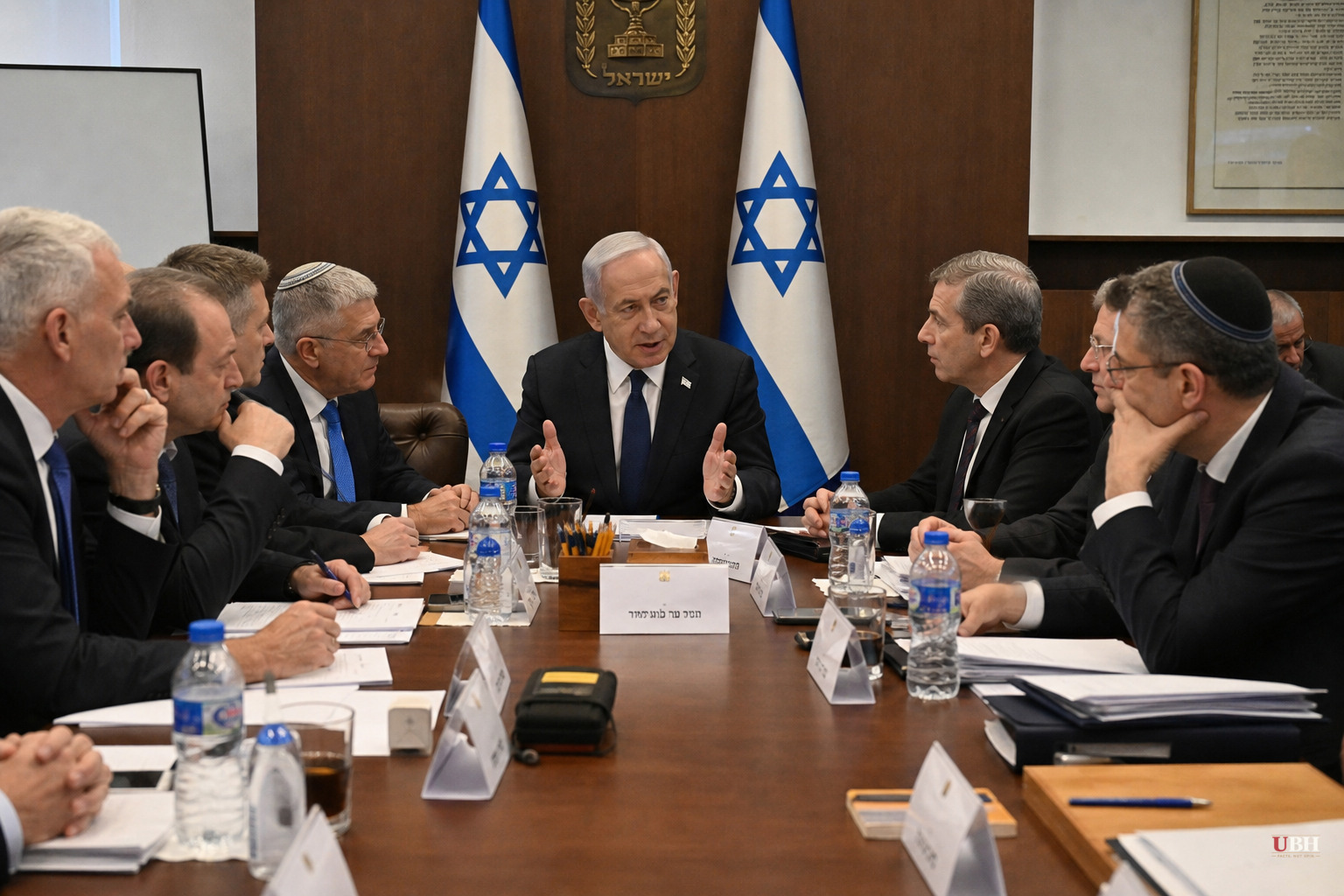
Israeli Prime Minister Benjamin Netanyahu told his cabinet Sunday that Israel rejects the 15-point Gaza plan pushed by President Trump's Board of Peace. No troop withdrawal, he said, until Hamas is "genuinely" disarmed.
"Israel rejects the 15-point document," Netanyahu said, according to the BBC and Al Jazeera. The Israeli military "will not carry out any withdrawal until Hamas is genuinely disarmed... and will continue to thwart threats against our forces and our citizens."
Trump announced on July 30 what he called a "monumental step toward lasting peace and security," claiming Hamas had accepted a plan for complete disarmament. CGTN reports that Sunday's statement marks Israel's first official and explicit rejection of that plan. Ten days from handshake to rejection.
What Israel actually objects to
Netanyahu's issue isn't disarmament in principle. It's sequencing and thoroughness. The 15-point plan calls for an initial focus on Hamas's heavy weapons, its production sites, depots, and tunnel network, according to Al Jazeera. Netanyahu wants more than that.
"When I say Hamas is disarmed, that means the heavy weapons, the less heavy weapons, all the weapons," Netanyahu said, according to the Jerusalem Post. He drew a line between "real disarmament" and what he called "fictitious disarmament," and made clear Israeli troops stay put until he's satisfied it's the former.
He also said Israel is talking with US officials about a path forward. "They have ideas, some of which are acceptable to us and some are not acceptable to us, and we know how to stand firm on these things," he said, per Al Jazeera.
It's a negotiating position from a leader who says he wants a deal, just not this specific sequencing of one. A phased withdrawal tied to unverified disarmament claims carries real risk for Israel if Hamas simply hides weapons and waits out the clock. Skepticism about "fictitious disarmament" isn't unreasonable coming from a country that's fought this group multiple times.
Politics at home
Netanyahu is also playing to his coalition. National Security Minister Itamar Ben Gvir had already dismissed the draft plan as "not acceptable," according to the BBC. Finance Minister Bezalel Smotrich praised Netanyahu's rejection Sunday, saying Israel went to war "with one central objective: the destruction of Hamas militarily, civilly, and as a governing authority."
Netanyahu went further than disarmament logistics. "As long as I am prime minister, there will be no Palestinian state, not in Gaza and not in Judea and Samaria," he said, according to the Jerusalem Post. Neither "Fatahstan" nor "Hamastan."
Israeli elections are coming within months. The BBC's framing, that Netanyahu is unlikely to offer concessions with a vote on the horizon, tracks with the political reality: his government depends on far-right partners who see full disarmament, not a phased pullout, as the only acceptable outcome.
Hamas's position
Senior Hamas official Basem Naim told Reuters, as reported by the Jerusalem Post, that Hamas expects mediators and the US to "press Netanyahu and his government to adhere to the roadmap." Naim said Hamas remains committed to the agreement worked out in Cairo.
The standoff centers on this disagreement. Hamas has said handing over heavy weapons is contingent on Israel ending "all forms of aggression" and withdrawing forces, according to the BBC. Israel says no withdrawal until full disarmament happens first. Each side wants the other to move first. Neither has.
Meanwhile Israel has kept up near-daily strikes across Gaza since the ceasefire took hold last October, according to Al Jazeera. A mass funeral was held in Gaza recently for 112 Palestinians killed in a 2023 Israeli strike, per the BBC, a reminder the war's human toll hasn't stopped even as diplomats draft roadmaps.
What's actually moving on the ground
Away from the podium fights, Army Radio reported that Netanyahu and Defense Minister Israel Katz quietly approved new construction in Gaza two weeks before Sunday's statement, according to the Jerusalem Post. The plan reportedly calls for new housing east of Rafah, inside the so-called Yellow Line, built by Gazan workers currently undergoing Shin Bet background checks, with the stated goal of creating living space outside Hamas's control.
It's a concrete step, whatever the rhetoric says. It suggests Israel is planning for a version of "day after" Gaza even while publicly rejecting the American framework for getting there.
The Board of Peace, led by director Nickolay Mladenov, had already signaled last week, after meeting Netanyahu, that Israeli withdrawal would only follow complete Hamas disarmament, according to Al Jazeera. No date was set. Neither the White House nor Hamas issued an immediate public response to Netanyahu's Sunday remarks. Whether Trump personally weighs in, and whether that pressure moves Netanyahu at all, is the next thing to watch.
Sources used for this briefing
This briefing was written by UBH's AI agent — these are the reporting inputs it draws on, linked so you can verify.


