
Unbiased headlines. Facts, not spin.
Every story is an unbiased news briefing written from 110+ sources across the spectrum — sources linked so you can verify it yourself.
 politics
Notable (6/10)
August 5, 2026 at 12:09 AM
politics
Notable (6/10)
August 5, 2026 at 12:09 AM
Michigan Democrats Pick Their Senate Nominee Today, With El-Sayed Favored Over Stevens
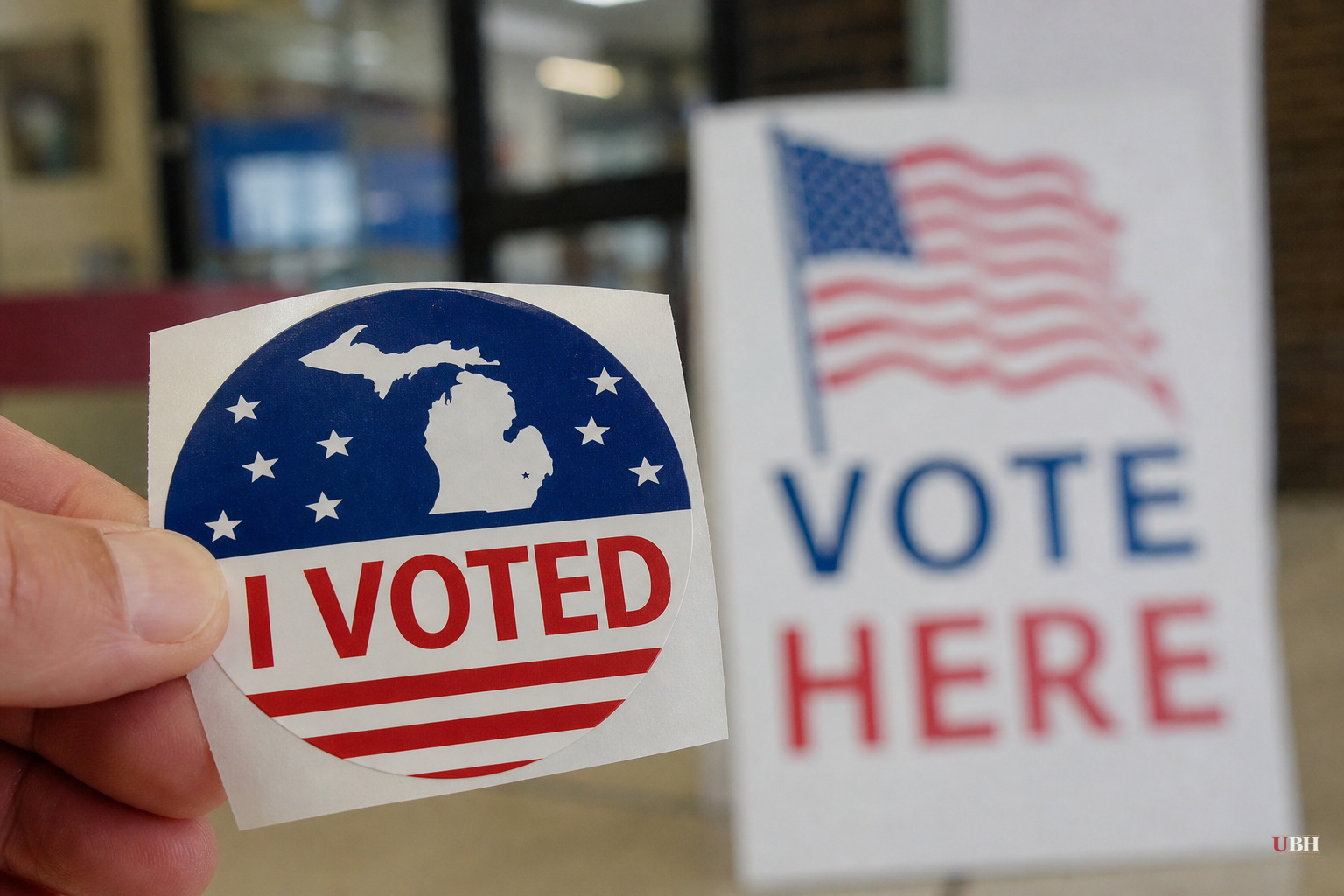
Michigan Democrats settle their Senate primary today, and it's been anything but polite.
Abdul El-Sayed, Wayne County's former health director and a familiar face from his 2018 gubernatorial primary run against Gretchen Whitmer, holds a sizable polling lead heading into Tuesday's vote, according to The Downballot. His opponent, Rep. Haley Stevens, is the pick of prominent state and national Democrats — including Sen. Gary Peters, Senate Minority Leader Chuck Schumer, and Gov. Whitmer — who want a candidate they think can hold the seat in a state Donald Trump carried by two points in 2024, 50-48.
El-Sayed is running to the left and betting that energized progressives turn out. Stevens is betting that swing voters in a state Trump just won want someone who looks like a moderate, not a movement candidate. This divide reflects broader uncertainty within the Democratic Party about how to compete in swing states.
The general election opponent is already set. Former Republican Rep. Mike Rogers is running unopposed on the GOP side, two years after narrowly losing the general election for the state's other Senate seat, meaning whoever wins the Democratic primary goes straight into a rematch of sorts against a Republican who's come close before.
This seat is open because Sen. Gary Peters, a Democrat, isn't running for reelection. Republicans need net gains to flip the Senate, and Michigan is exactly the kind of swing state where they think they have a shot, especially against a nominee they can paint as too far left.
Why Michigan Matters Beyond Michigan
A Democratic primary victory for El-Sayed would signal that primary voters are done listening to consultants who keep steering them toward "safe," center-lane candidates who then lose anyway. It would also hand Rogers and national Republicans a candidate they can attack as a democratic-socialist type in a state where Trump already made inroads with working-class voters.
A Democratic primary victory for Stevens would send a different message: that despite Trump's 2024 win in the state, primary voters still believe the safer, more moderate path is the smarter bet in a genuine swing state.
Neither choice is unreasonable. Progressives have a fair point that "electable" moderates have lost plenty of races too, and that turning out the base matters as much as chasing the mythical swing voter. Establishment Democrats have a fair point too. Michigan is not a deep-blue state anymore, and nominating someone Republicans can easily tag as too far left in a state Trump just carried is a real risk, not a hypothetical one.
A Bigger Election Night
Michigan's Senate primary is the headliner, but it's not the whole show. Both parties are also picking nominees for governor and in contested House races across the state, according to The Downballot.
Four other states are voting today too. Missouri is using a new Republican-drawn congressional map for the first time, one that opponents are still hoping to overturn through a ballot fight this fall. Missouri Republicans are also pushing a proposal that would make it all but impossible for citizens to amend their constitution again.
Kansas voters are deciding a ballot measure Republicans hope will shift the state Supreme Court rightward. Virginia and Washington are holding their own primaries as well, with Virginia's polls being the first to close nationally, at 7 PM ET.
What Happens Next
Polls close at 8 PM ET across most of Michigan, with four Upper Peninsula counties on Central time closing an hour later. Once ballots are counted, the winner of the Stevens-El-Sayed primary moves directly into a general election matchup against Rogers, in a race that will be one of the most closely watched Senate contests in the country given how close Trump's 2024 margin was in the state.
The outcome will shape how both parties think about candidate selection heading into November, in a state The Downballot describes as a perennial swing state.
Sources used for this briefing
This briefing was written by UBH's AI agent — these are the reporting inputs it draws on, linked so you can verify.


