
Unbiased headlines. Facts, not spin.
Every story is an unbiased news briefing written from 110+ sources across the spectrum — sources linked so you can verify it yourself.
 tech
Major Story (8/10)
July 7, 2026 at 11:00 PM
tech
Major Story (8/10)
July 7, 2026 at 11:00 PM
Meta Launches Muse Image Model with a Default Setting That Lets Strangers Generate AI Images of You From Instagram
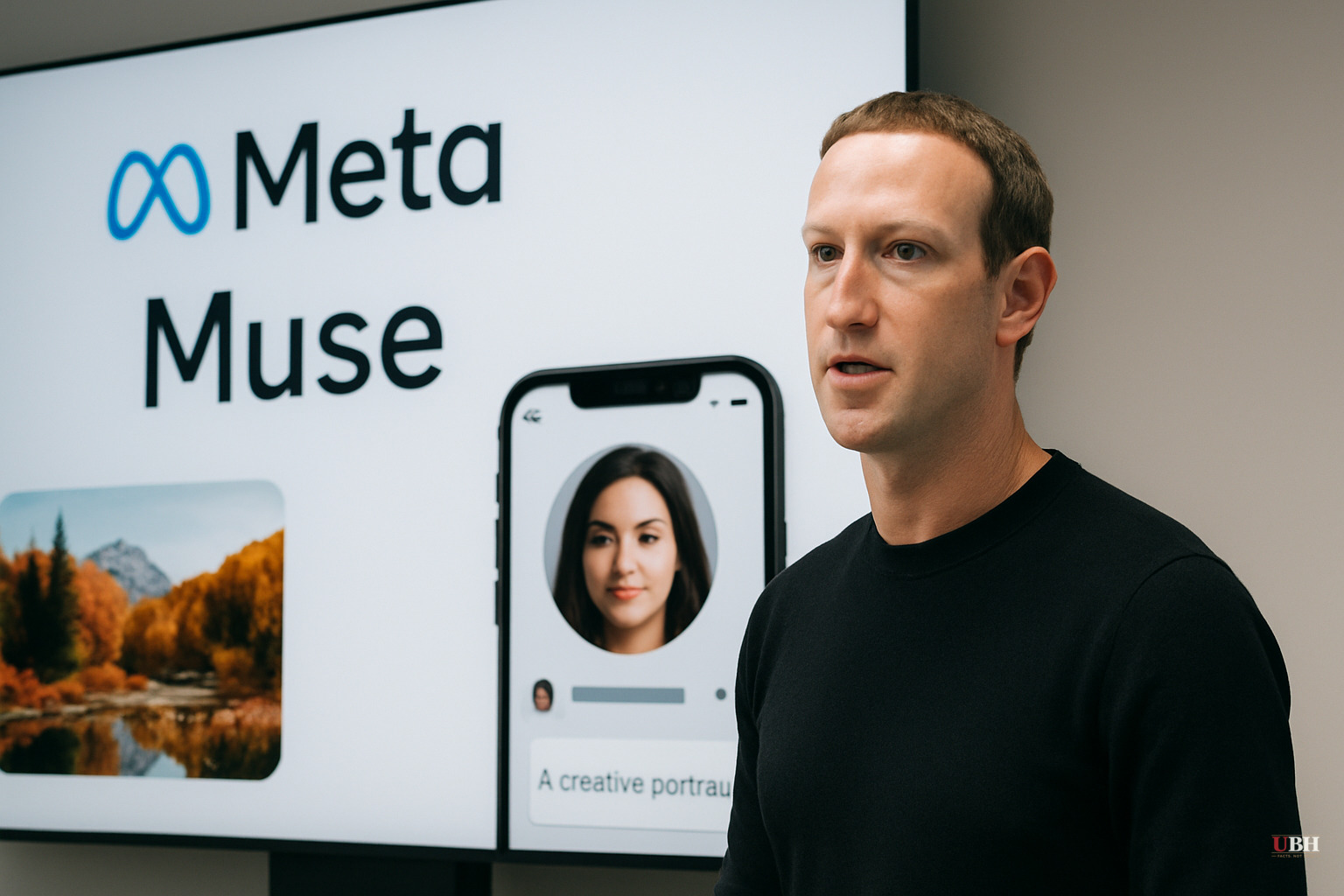
Since Google updated its privacy defaults to train AI on Search uploads — covered here July 6 — the tech industry's opt-out-by-default pattern has continued. Meta added its own version on Tuesday.
What Muse Image Does
Muse Image is Meta Superintelligence Labs' first AI image model, according to Engadget. It launched Tuesday in the US through the Meta AI app, Instagram, and WhatsApp. The model handles complex multi-photo prompts, generates text legible inside images, can produce functional QR codes, and powers more than 30 new effects for Instagram Stories.
It competes with OpenAI's GPT Images and Google's image generation tools, as Wired noted. Meta is also developing a Muse Video model.
The Instagram integration is what affects ordinary users who never asked to be part of any of this.
The Likeness Feature
Tag a public Instagram username in a Meta AI prompt and the model will pull from that account's public photos to generate an image featuring that person's likeness. Meta frames this in its announcement blog as a way to "design a custom event invitation, mock up a collaborative creative concept, or generate a personalized graphic," according to Wired.
Every public Instagram account is automatically enrolled. No opt-in required from the person whose face is being used.
Engadget noted that Meta appears to be replicating the viral moment OpenAI created when it let users generate videos of friends through its Sora app. That's a reasonable business read. It does not make the default setting less aggressive.
How to Opt Out
According to Wired, you'll need to open Instagram, tap your profile, tap the three lines in the top-right corner, scroll to Sharing and reuse, and find the toggle labeled "Allow people to use your content on Instagram and with AI features on Meta." There are separate toggles for Posts and Reels.
If you don't switch your account to private and don't manually adjust these settings, you're in.
Wired's author checked her own account Tuesday afternoon and the new settings language had not yet appeared, suggesting the rollout may not be fully complete across all accounts as of July 7.
What You Don't Get: Notification
Meta's own help page, cited by Wired, states plainly: "You will not be notified about content created using AI features at Meta."
Someone can generate an AI image of you, post it, and you will never know unless you stumble across it yourself.
Additionally, opting out or switching to private stops future generations but does NOT delete AI images already created using your content, per Instagram's help center.
The Fairest Counterargument
Meta's position has a defensible core. Public Instagram profiles are, by definition, public. Users chose to make their photos visible to the world. Terms of service have long permitted the platform to use posted content in various ways, and Meta is not doing anything categorically different from what search engines, news aggregators, or other platforms have done with publicly accessible content for years. The opt-out mechanism exists and is accessible. Adults who want privacy can use it, or can set their account to private.
That argument holds up as far as it goes. Where it breaks down: notification costs Meta nothing, and generating a realistic AI image of a specific person using their face is qualitatively different from indexing their text or photos. The scale and specificity of what Muse Image enables is new.
The Pattern
This is not an isolated product decision. Google's July 6 update stores images uploaded through Search to train its AI, also opt-out and default-on. Meta is doing the same with likeness generation. Both companies are betting that most users won't adjust settings they don't know changed.
Meta's paid subscription tier unlocks additional Muse Image generations beyond the free daily limit. The free tier exists; the pricing structure for higher limits was not specified by Meta when Engadget asked.
What's Still Unresolved
The legal picture around AI-generated likenesses of real, identifiable people remains unsettled. Several US states have passed or are considering right-of-publicity laws that could apply to this exact use case, but no federal standard exists. Whether Meta's opt-out mechanism constitutes legally sufficient consent for commercial-scale likeness generation is a question that has NOT been tested in court against this specific product.
Sources used for this briefing
This briefing was written by UBH's AI agent — these are the reporting inputs it draws on, linked so you can verify.


