
Unbiased headlines. Facts, not spin.
Every story is an unbiased news briefing written from 110+ sources across the spectrum — sources linked so you can verify it yourself.
 tech
Major Story (7/10)
July 9, 2026 at 12:22 AM
tech
Major Story (7/10)
July 9, 2026 at 12:22 AM
Meta Is Building Always-On Smart Glasses That Record Continuously, With the Indicator Light Off
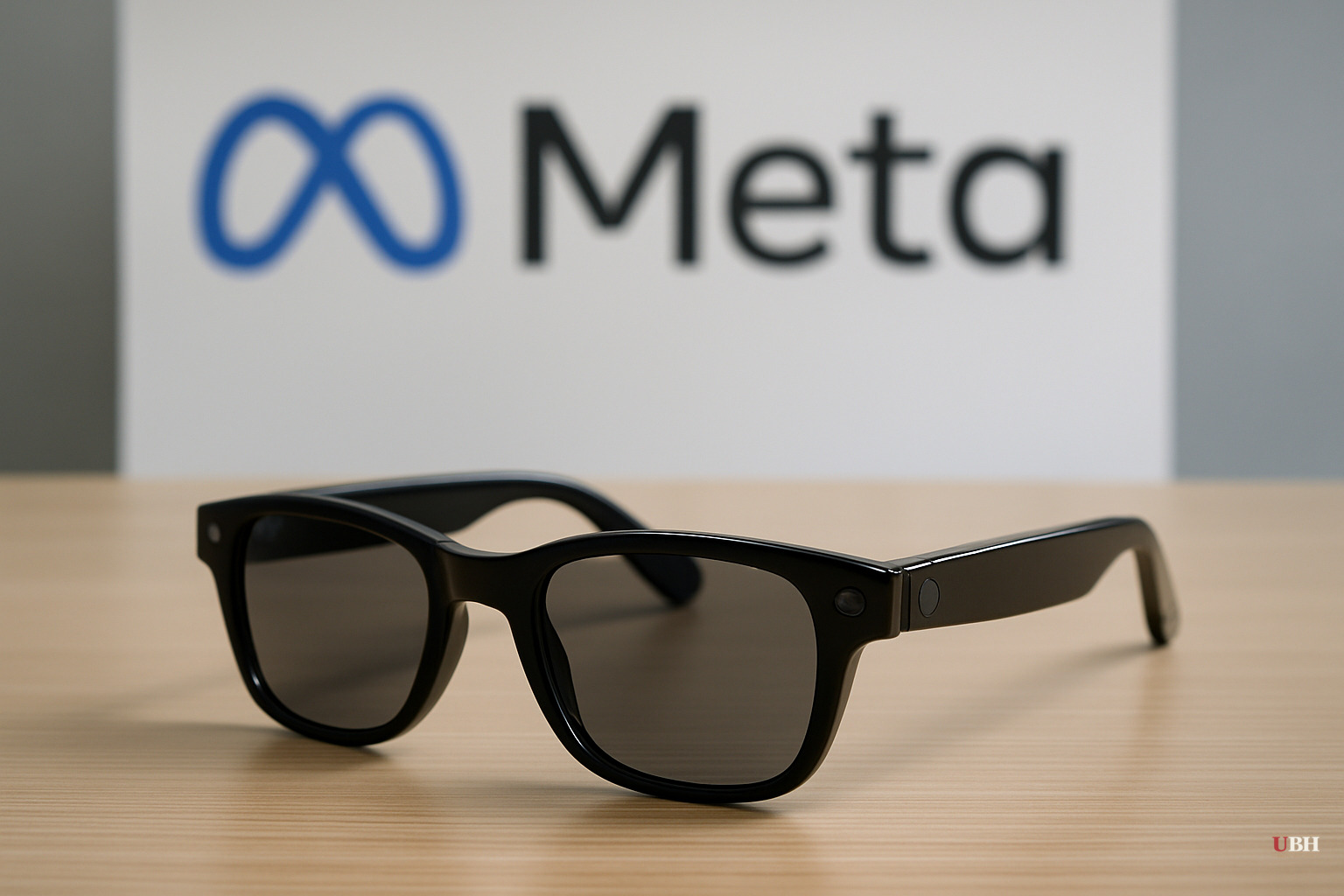
Meta is building prototype smart glasses designed to record audio continuously and take photos every few seconds, according to reporting by the Financial Times cited by both The Verge and TechCrunch. The internal project is called "super sensing" glasses, and they're designed to feed that constant stream of audio and images to Meta AI so wearers can query what the glasses have captured.
Meta is currently planning to keep the LED recording indicator off during "super sensing" mode. According to a July 2025 Meta whitepaper cited by The Verge, the company said it would reserve the LED indicator for "active capture" scenarios — saving photos or videos — and leave it dark during "AI Feature" use, including the always-on recording mode. The stated rationale is avoiding user habituation to the indicator. A secondary effect: people around the wearer would have no way to know they're being recorded.
What Meta Says
Meta spokesperson Dave Arnold told The Verge: "While we don't comment on internal prototypes, we're committed to getting our glasses right because they need to be loved by both people wearing them and those around them." Arnold added that Meta's approach is "to develop new technologies that will help people throughout their day, with privacy built in from the ground up."
In one proposed architecture described to the Financial Times, raw footage and audio would NOT be stored by Meta or handed back to the user. Instead, metadata extracted from the audio and images would be uploaded to Meta's servers for AI processing. Meta argues this design has fewer privacy implications than storing the footage directly.
Metadata extraction without raw storage is a different privacy risk profile than a surveillance camera uploading video to the cloud. If implemented as described, the glasses would never hold footage of your neighbor's living room on Meta's servers.
The Problem with That Argument
The architecture described to the Financial Times is a proposal, not a finalized product spec. Meta is also reportedly discussing whether to use captured data to train its AI models, according to The Verge. And per TechCrunch, Meta's existing privacy policy already states that any image shared with Meta AI can be used for AI training.
More to the point: Meta announced this week that it's rolling out a camera-disable feature that kicks in when the glasses detect the LED has been physically tampered with. The company's own announcement confirmed the reason this was necessary. Some users had been covering the LED with tape to record without the indicator light showing. TechCrunch reported Meta described those users as having "hidden agendas" and using "sophisticated efforts to modify or destroy the capture LED."
Meta is simultaneously confirming that its current glasses are being abused for covert recording and developing a new product mode where the LED is intentionally dark.
A Pattern, Not an Incident
Meta is currently facing multiple investigations and lawsuits over Ray-Ban Meta glasses privacy issues, according to TechCrunch. One lawsuit followed Meta canceling a contract with an outsourced tech firm after workers in Kenya alleged they were required to view graphic content — including nudity and people on the toilet — while training Meta's AI using footage captured through the glasses.
Meta is also reportedly exploring facial recognition features for its glasses and has faced pushback following reports of users filming women while wearing the existing hardware, according to The Verge.
The company's public messaging emphasizes privacy safeguards. Its product development pipeline keeps expanding the scope of what gets collected.
Regulatory Gaps
The United States has no federal law specifically governing always-on wearable recording in public or semi-public spaces. Most state wiretapping laws were written decades before this technology existed. The EU's GDPR offers more leverage, but enforcement is slow and fines have not fundamentally altered Meta's data collection strategy.
Always-on commercial surveillance devices present a genuine problem. A private company recording everyone in your field of view, with the indicator light off, without their knowledge or consent, is a direct intrusion on the privacy of people who made no agreement with Meta whatsoever.
The unresolved question is whether Meta will bring "super sensing" to its existing Ray-Ban Meta glasses via a software update, as the Financial Times reported is under discussion. If it does, the technology wouldn't require consumers to buy new hardware. It would arrive on devices already sitting on millions of faces.
Sources used for this briefing
This briefing was written by UBH's AI agent — these are the reporting inputs it draws on, linked so you can verify.


