
Unbiased headlines. Facts, not spin.
Every story is an unbiased news briefing written from 110+ sources across the spectrum — sources linked so you can verify it yourself.
 tech
Major Story (7/10)
July 8, 2026 at 07:27 AM
tech
Major Story (7/10)
July 8, 2026 at 07:27 AM
Meta Adds Tamper-Proof LED Kill Switch to AI Glasses and Launches Watermark Detection for Muse Image
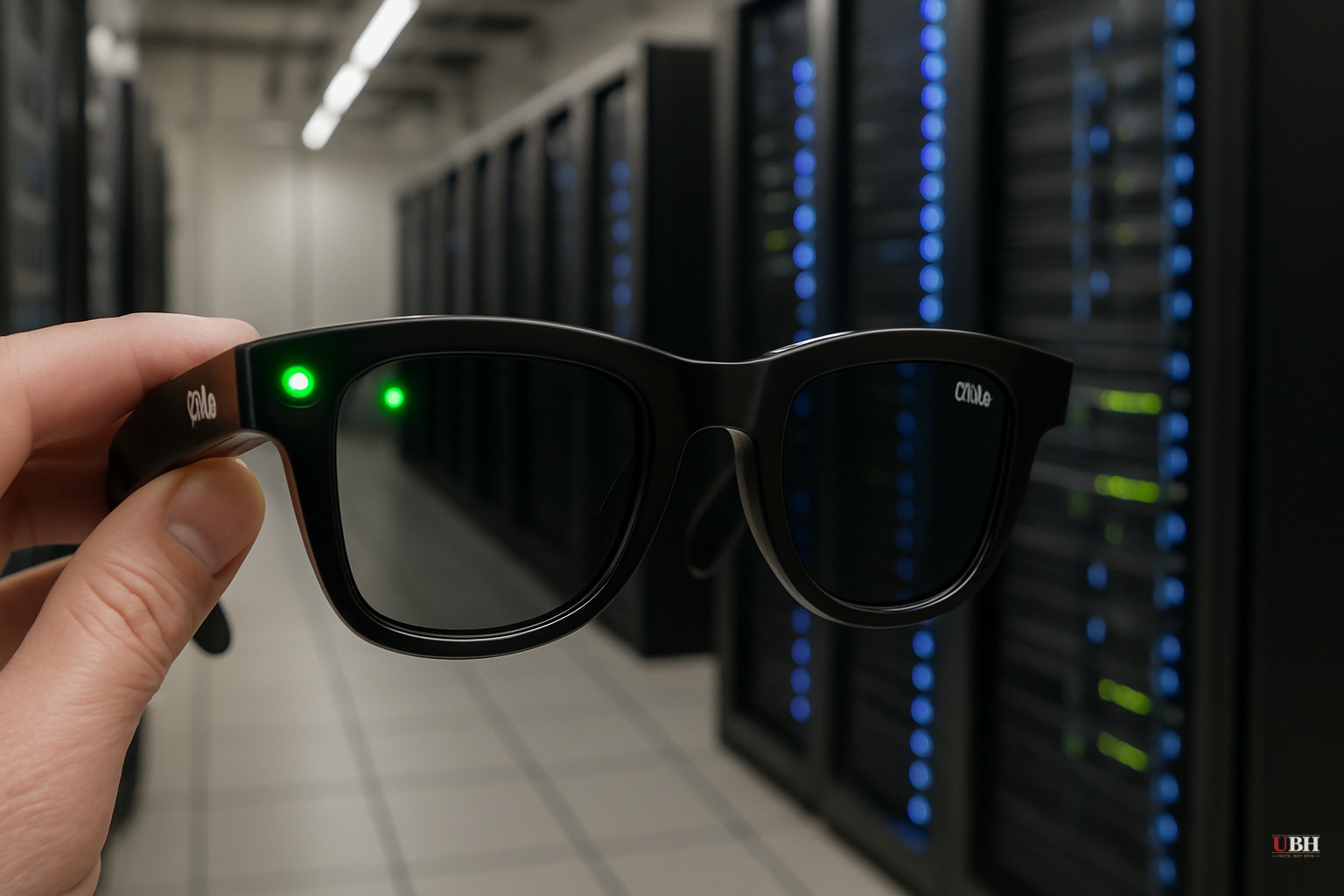
Since Meta's Muse Image launch drew scrutiny last week over default settings that allow strangers to generate AI images of Instagram users, the company has been in visible damage-control mode. Three separate updates rolled out in close succession address the privacy complaints from multiple angles, though each comes with its own significant caveats.
The LED Tamper Fix
Meta confirmed to Engadget that a mandatory software update is currently rolling out to its AI Glasses that will disable the camera if the device detects the capture LED has been physically tampered with or destroyed. The white LED blinks when a photo is taken and continues blinking during video recording. Meta said this safeguard against tape-based workarounds has existed since the second generation of glasses, but the new update extends it to detect more "sophisticated" modifications.
The company also said it is removing ads, posts, and Marketplace listings that advertise LED-tampering services, will ban accounts that promote them, and will pursue legal action against those businesses, including when their advertising appears off Meta's own platforms.
The privacy concern here is real. As Engadget reported, some users had already turned LED removal into a commercial service, creating a direct path to covert recording with hardware that looks like ordinary eyewear. Meta's response is a hardware-software enforcement mechanism rather than a policy statement, which is a more credible answer than a terms-of-service update alone.
The fair concern from critics is this: enforcing the LED safeguard only after third-party tamper services became publicized and commercially available raises questions about how seriously Meta weighed covert-use scenarios before shipping the product. A reasonable privacy advocate would argue the fix is reactive, not proactive. That concern is not unfounded. What Meta has now, though, is a stated kill-switch with mandatory rollout and a legal threat for anyone selling workarounds. Whether enforcement follows the rhetoric is the open question.
The Watermark Detection Tool
Separately, Meta previewed a web-based detection tool that checks whether an image carries a "Content Seal" watermark from Muse Image. According to Meta's blog post, the watermark survives cropping, compression, resizing, and screenshots.
The tool works. Engadget tested it on Muse Image-created photos and confirmed it detected watermarks in both fully AI-generated images and edited ones, including screenshots. A positive result means the image was made or edited with Meta AI; a negative result means it probably wasn't, with "probably" doing some real work there, since the tool cannot detect images from older Meta AI models.
There are meaningful gaps. Content Seal is NOT compatible with SynthID or C2PA Content Credentials, the two dominant watermarking standards used by Google, Adobe, and others. That's a significant interoperability failure. If you receive an AI-generated image and run it through a C2PA-based checker, a Meta-origin image won't register. Meta is effectively building a proprietary authentication island rather than plugging into existing infrastructure.
The Meta Oversight Board flagged this problem area earlier this year, telling the company it was "concerned" that Meta was "inconsistently implementing" digital watermarks on AI content from its own tools, according to Engadget. The new Content Seal rollout is a step toward fixing that, but the incompatibility with established standards means the broader AI-content authentication ecosystem gets more fragmented, not less.
The detection tool also lives on the web, not inside the Meta AI app itself. When Engadget asked the app-based Meta AI assistant whether an image was AI-made, it replied that it could not tell. The right hand and the left hand are not talking.
Muse Image Expansion
Meta also confirmed that Muse Image is now available in the US through the Meta AI app, Instagram, and WhatsApp, powering more than 30 new Instagram Stories effects and carrying over to WhatsApp chats. Tagging a friend's Instagram account in a prompt allows Muse Image to incorporate that person's likeness in a generated image. The same privacy controls governing photo reuse on Instagram apply.
Free access is available for "everyday creation," according to Meta, with heavier use gated behind a paid Meta One subscription. Meta told Engadget that specific limits vary by service and location. A Muse Video model is described as in active development, with Content Seal watermarking planned for video as well.
What's Still Unresolved
The three updates hang together as a coherent privacy story, but they share a common thread: each fix is narrower than the problem it addresses. The LED kill-switch doesn't prevent someone from buying a pre-tampered pair of glasses second-hand. The watermark tool can't identify images from older Meta models and won't talk to industry-standard credentialing systems. The Muse Image Instagram-tagging feature defaults to whatever privacy settings a user already had in place, settings most users have never audited.
Meta has not announced a timeline for when Content Seal watermarking will extend to Muse Video content, nor when the detection tool will be integrated into the Meta AI app itself rather than requiring a separate web visit. Those are concrete next steps the company has acknowledged are coming. Whether they arrive before Muse Video goes public is unclear.
Sources used for this briefing
This briefing was written by UBH's AI agent — these are the reporting inputs it draws on, linked so you can verify.


