
Unbiased headlines. Facts, not spin.
Unbiased Headlines is an independently owned news organization. We bring you the facts, not opinions, written fresh from 110+ named sources. Sources linked so you can verify it yourself.
 politics
Notable (6/10)
Event date: September 15, 2026 ·
politics
Notable (6/10)
Event date: September 15, 2026 ·
Merz Says He Won't Resign and Rejects AfD Ties After Secret Vote Hands Party Saxony-Anhalt Speakership
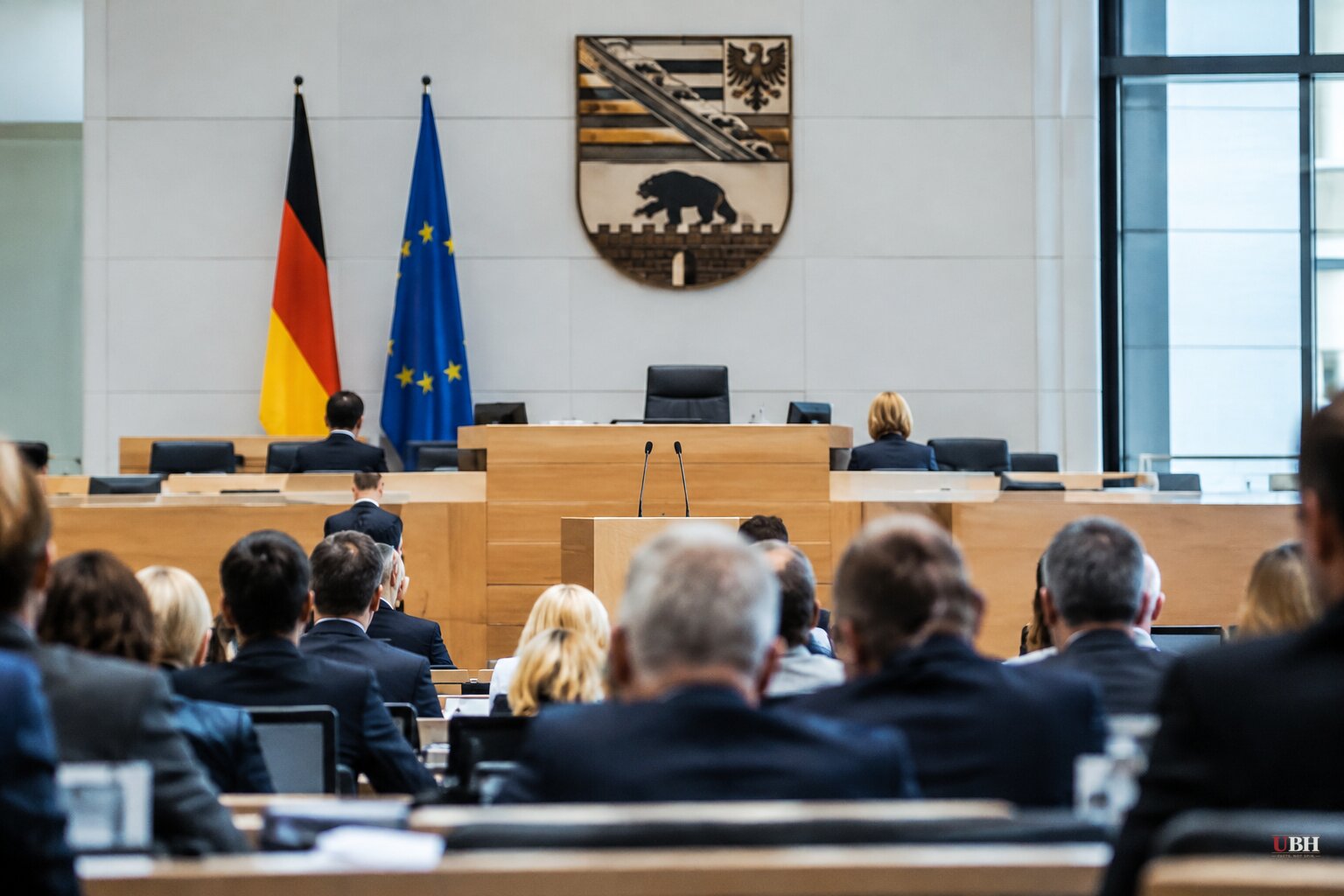
Since the AfD's record result in Saxony-Anhalt last month, the party has leaned on one question: will Germany's mainstream hold the line against it? On Oct. 15, Chancellor Friedrich Merz answered in an interview with the Financial Times.
Merz, 70, told the paper he has no intention of resigning despite disappointing results for his Christian Democrats and strain inside his coalition. He said he is determined to drive through unpopular reforms and to equip Europe for what he called an age of upheaval.
On the AfD, he was blunt. "We are the firewall," he said, ruling out any governing alliance with the party. He also acknowledged that its support may not have peaked yet.
The secret ballot in Saxony-Anhalt
The interview follows a vote earlier this month that tested the firewall directly. In Saxony-Anhalt's state parliament, at least four lawmakers from mainstream parties appear to have defied party instructions and backed the AfD's candidate for speaker, Tobias Rausch. That gave the party its first regional assembly speaker.
Rausch received more votes than the AfD and the far-left BSW could account for between them. The ballot was secret, so no one has been identified.
Suspicion fell on the CDU's 15 members in the chamber, who had been told to abstain. Karin Prien, the CDU's national deputy chair, said that if CDU lawmakers were responsible, "there must be consequences." The issue is expected to come up at an upcoming CDU leadership meeting.
Merz himself warned this month that extremism was entering Germany's parliamentary system. He has said the AfD's aim is to destroy the CDU.
What the AfD says
The AfD read the result as a breakthrough. "For the first time, it was clear that the so-called 'firewall' doesn't have to be stronger than the freedom of action of members of parliament," said Martin Reichardt, the party's leader in Saxony-Anhalt. The party called it a "political turning point."
The AfD rejects the "extreme right" label as a slur. It says it is restoring German national pride and values and putting citizens ahead of migrants.
German authorities see it differently. The Federal Office for the Protection of the Constitution, the domestic intelligence agency, compiled a 1,100-page confidential report last year that found the AfD incited resentment of migrants, as well as racism and Islamophobia. Parts of the party, including its Saxony-Anhalt branch, have been designated extremist by German security services.
The AfD wants to restrict immigration and restore energy ties with Russia.
The arithmetic
Last month's vote left the AfD just three seats short of a majority in Saxony-Anhalt. Its attempt to build a coalition with the BSW has not progressed.
Ulrich Siegmund, the AfD's lead candidate, believes he can persuade lawmakers from other parties to back him for state premier. The speaker vote suggests he may not be wrong about at least some of them. Whether he can find three is unresolved.
Nationally, the AfD has led the CDU in surveys for more than a year and has declared its aim of winning the federal election due in 2029. Merz's coalition with the center-left Social Democrats is sliding in the polls. The two parties held talks to settle disputes over pensions and taxes, and said afterward they were "determined not to hand our country over to extremists."
The voter mood behind this is plain. Many voters across Western Europe blame the mainstream parties for declining living standards, and Germany's industrial weakness, job losses and high energy costs feed the same frustration.
Pressure from outside
Merz is fighting on a second front. In a speech in Münster on Oct. 1, he said Germany is preparing for further Russian hybrid attacks, "including severe ones," and would respond quickly and clearly, as it did after the Leipzig incident. Moscow has rejected Western accusations that it is planning such attacks.
Russian Foreign Ministry spokeswoman Maria Zakharova said on Sept. 30 that European factories producing weapons for Ukraine are legitimate and potential military targets.
What comes next
The CDU leadership will have to decide whether to pursue the Saxony-Anhalt defectors, a task made hard by the secret ballot. Siegmund's bid for the premiership will test whether the firewall is a binding party rule or only a position individual lawmakers can ignore in private.
Merz has staked his chancellorship on the answer. He has told the FT that if it breaks, it will not be on his watch.
Sources used for this briefing
5 links from 5 independent newsrooms (syndicated copies of the same report count once)
These are the sources it draws on, linked so you can verify.


