
Original briefings. Zero spin.
Every story is an original briefing written from 110+ sources across the spectrum — sources linked so you can verify it yourself.
 tech
Notable (6/10)
Event date: September 9, 2026
tech
Notable (6/10)
Event date: September 9, 2026
Lyft Riders in Nashville Can Now Hail Waymo Robotaxis Through the Lyft App
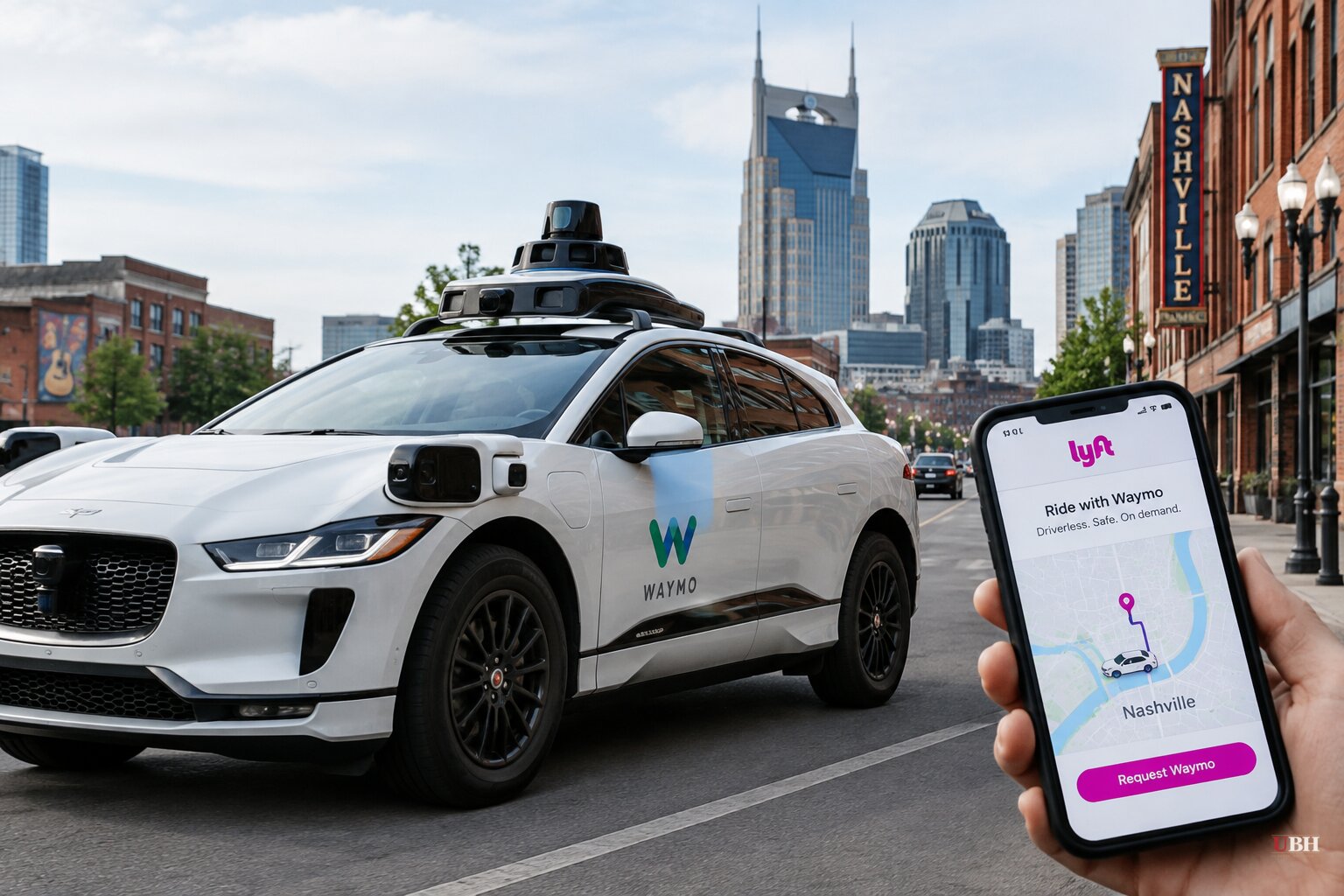
Lyft riders in Nashville can now get matched with a driverless Waymo when they order a car through the Lyft app, according to Axios and the LA Times. The deal, which the companies confirmed this week, lets Waymo's robotaxis run inside Lyft's network without forcing riders to download a separate app.
Order a ride on Lyft, and if your route falls inside Waymo's existing Nashville service zone, you might get matched with an empty car that shows up with nobody driving it. Riders can decline and get a human driver instead, according to Axios.
Waymo has been running in Nashville since April with more than 100 vehicles across a 60-square-mile zone, the LA Times reported. The Lyft partnership was first announced roughly a year ago and only now went live, per the LA Times.
Flexdrive is the real story
Who's cleaning, charging and repositioning these cars matters more than the app integration. That job belongs to Flexdrive, a Lyft subsidiary the company acquired in 2020 to handle rental vehicles for its drivers, according to Axios and Road & Track.
Flexdrive is building an 80,000-square-foot depot in Nashville set to open this fall, per Road & Track and the LA Times. Lyft EVP Jeremy Bird told Axios the metric Lyft is chasing isn't app downloads. It's utilization. "The thing we will hold ourselves most accountable to is the utilization being high, regardless of what app it's on," Bird said.
Uber is making a different bet. Uber has committed more than $10 billion over the next few years to become the dominant app for hailing autonomous vehicles, according to the LA Times, and it has exclusive Waymo access in Austin and Atlanta. Lyft is instead betting it can make money running the depot and fleet logistics even when a rider never opens the Lyft app at all.
Waymo and Uber aren't getting along
The backdrop here is a fraying relationship between Waymo and its bigger ride-hailing partner. Waymo ended a three-year pilot with Uber in Phoenix earlier this year, according to Road & Track, citing the Financial Times. And Waymo has told Uber it plans to launch its own standalone app in Austin and Atlanta starting January 2028, once Uber's exclusivity deal expires, the LA Times and Road & Track both reported.
If Waymo is planning to cut out the middleman in two of its biggest U.S. markets, Lyft's willingness to stay in the background, collecting fleet-management revenue without demanding exclusivity, starts to look less like a consolation prize and more like the smarter long game.
Where the coverage gets sloppy
TechCrunch's Mobility newsletter, also republished by daily.dev, Jingle Tree and PressBee, called Nashville "notable because it marks Lyft's first true entry into commercial robotaxi services using driverless vehicles without a human operator behind the wheel."
That claim doesn't hold up against the LA Times, which reported Nashville is only the "second U.S. city" where Lyft is providing driverless trips, noting Lyft has offered driverless vehicles through May Mobility in Atlanta since last year. Both can't be exactly right at the same time; readers relying only on TechCrunch's framing would think Nashville is Lyft's driverless debut, when the LA Times says it isn't.
The scale is still small, and the concerns are real
Robotaxis remain a sliver of the ride-hailing market. Supply chains, regulatory approval and city-by-city rollout headaches are still slowing things down, the LA Times noted. Waymo's Nashville zone hasn't even reached outer neighborhoods like Bellevue, Antioch or Madison yet, according to Axios.
Every robotaxi mile driven is a mile a human driver isn't getting paid for. Drivers who depend on Lyft and Uber for income have real reason to watch this rollout closely, since Lyft's own executive said the plan is to "prove this model in Nashville and then take it to scale," per Road & Track.
None of the sources here report any Nashville-specific safety incidents, service failures or driver-displacement data tied to this rollout, so that concern remains forward-looking rather than documented. Waymo also isn't exclusive to Lyft for fleet management. It already works with Avis, Avomo and Moove elsewhere, according to Axios, so Lyft has no lock on this business model even if it proves itself.
The next real test comes when Lyft's Nashville depot opens this fall and Bird's promised "diversification" in 2026 either materializes with new cities and partners, or doesn't.
Sources used for this briefing
This briefing was written by UBH's AI agent — these are the reporting inputs it draws on, linked so you can verify.


