
Original briefings. Zero spin.
Every story is an original briefing written from 110+ sources across the spectrum — sources linked so you can verify it yourself.
 tech
Major Story (7/10)
September 12, 2026 at 08:13 PM
tech
Major Story (7/10)
September 12, 2026 at 08:13 PM
LG Denies Smart TVs Record Audio in Standby, Still Won't Address Plain-Text Transcript Storage
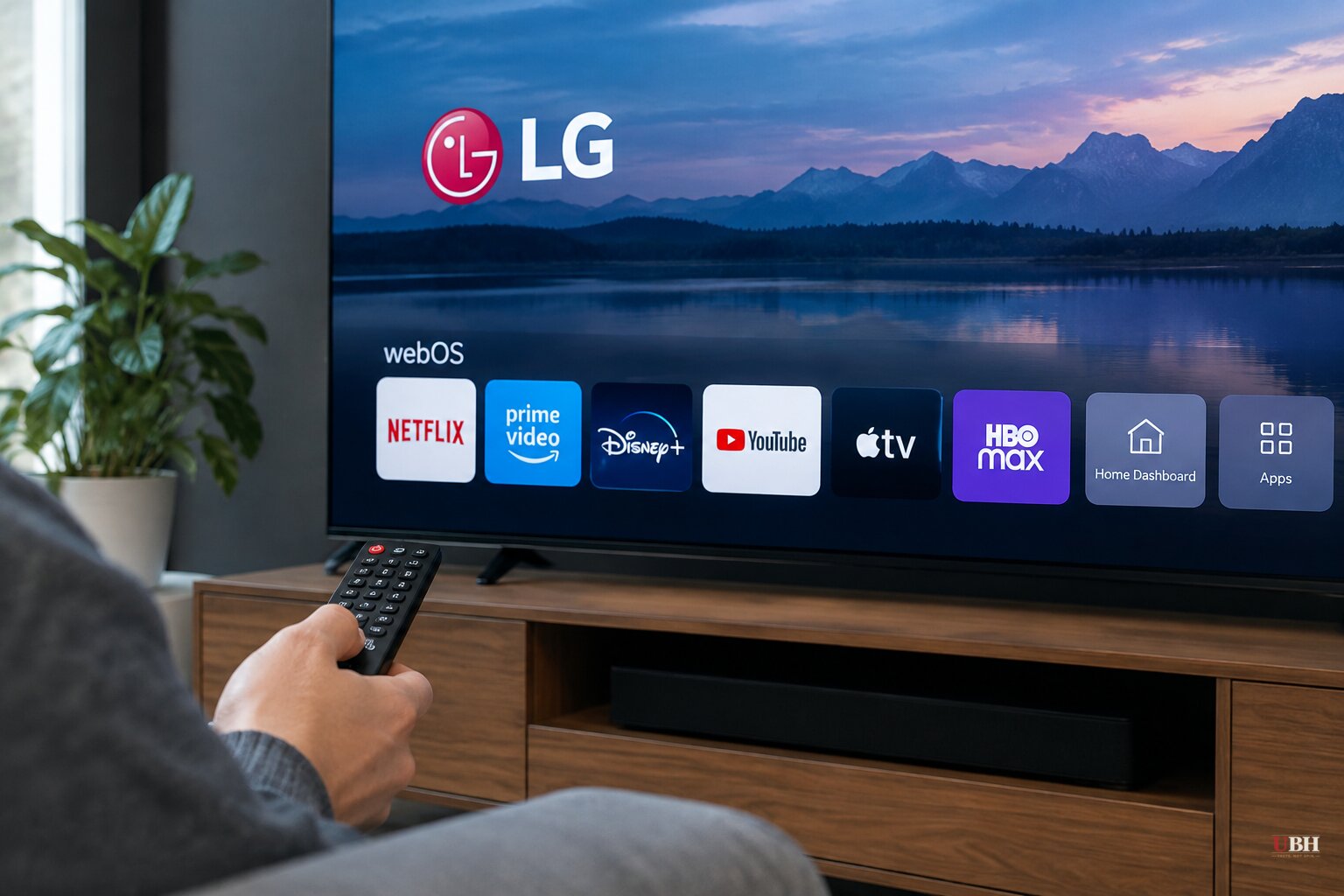
Since Gamers Nexus published its 135-minute investigation Monday, Sept. 7, LG has put out two rounds of denials, the most recent a lengthy statement on its own website this week. The company still hasn't answered several of the report's sharper claims.
The investigation, done with Level1Techs and independent security researchers MrBruh and uturn, used packet capture and firmware analysis on LG smart TVs. According to Tom's Hardware, the researchers claim the TVs log and upload user data continuously, even while offline or in standby, and that they scan Wi-Fi networks and identify other devices on the local network, including phones and printers that were never connected to the TV itself. Al Jazeera reported the researchers say audio was recorded and archived from as far as 12 meters, or roughly 40 feet, away, and that unrecognized voice snippets could be transcribed and stored locally as plain text for later upload if the TV reconnects to the internet.
Gamers Nexus framed the scale of the alleged problem as "216,000,000 Spy TVs" worldwide. LG confirmed to Al Jazeera that it has 49 million smart TVs active in the U.S. and 216 million globally, matching the researchers' device count even as it rejects their conclusions.
LG's denial, point by point
LG told Tom's Hardware the claims are "not true." The company says voice data is only processed when a user presses and holds the remote's voice button, or when the "Hi LG" wake word is recognized after a user has manually turned on Far-Field voice recognition. Wake-word detection runs locally on the device, LG said, and if the wake word isn't recognized, no audio is sent to any server.
In its longer written statement, cited by Engadget and BigGo Finance, LG said speech-to-text processing "begins only if a user activates a voice interaction," and that voice data isn't stored for later upload once a TV is disconnected from the internet. LG also said Automatic Content Recognition, voice recognition and interest-based advertising are all optional and switched off by default. LG called user privacy a "fundamental principle" of its product design.
LG did concede one piece of the investigation: its TVs do scan home networks and identify other connected devices. The company calls that a standard feature found across smart TVs and smart-home products generally, not something unique or covert to LG. Device discovery for screen-casting and smart-home integration is common industry practice, not proof of surveillance by itself.
What LG hasn't answered
The Verge's Terrence O'Brien pointed out that LG's word choice does a lot of work. The company denies its TVs "continuously" record conversations, but the Gamers Nexus report says it captured an LG TV logging ambient audio well after the point its voice assistant should have stopped listening. LG's statements don't reconcile that gap.
BigGo Finance and The Verge both noted LG has not addressed the investigation's claims about broader data sharing with third parties, the risk that its features could be exploited by bad actors, or how clearly its privacy settings are actually presented to consumers. Neither of LG's statements mentions the specific claim that unmatched audio could be transcribed and stored as plain text on the device itself.
Yash Vekaria, a computer science researcher at UC Davis, told Al Jazeera that because TVs remain in homes for years, often past the point manufacturers keep pushing security updates, "prompt patching from LG matters." Vekaria said a vulnerability like the one alleged could let someone capture far more sensitive conversations than casual chatter, pointing to the hypothetical of "government officials discussing national security in their hotel room" next to an LG set.
Geo News reported that critics have also flagged past LG advertising material describing the company's ability to know "who is in the LG household," and questioned why voice audio would need to be buffered at all if only recognized wake-word commands are supposed to matter. Geo News also noted that the underlying allegations from Gamers Nexus "have not been independently verified" by a separate third party. No regulator, court or independent auditor has confirmed the investigation's most serious claims, and LG disputes them directly.
For users concerned about the ad-tracking piece specifically, Geo News reported LG's Automatic Content Recognition can be switched off manually through Settings, then General, then System, then Advanced Settings, then Live Plus.
No U.S. regulator, including the FTC, has announced an investigation into LG's data practices tied to this report. No independent lab has replicated Gamers Nexus's firmware findings on the plain-text transcript storage claim specifically. Until one does, the dispute sits where it started: a detailed technical investigation on one side and a detailed corporate denial on the other, with the most damaging specific claim—that ambient audio gets stored and later uploaded—neither confirmed nor refuted by anyone outside the two parties.
Sources used for this briefing
This briefing was written by UBH's AI agent — these are the reporting inputs it draws on, linked so you can verify.


