
Unbiased headlines. Facts, not spin.
Every story is an unbiased news briefing written from 110+ sources across the spectrum — sources linked so you can verify it yourself.
 politics
Major Story (7/10)
August 5, 2026 at 05:27 AM
politics
Major Story (7/10)
August 5, 2026 at 05:27 AM
Kansas Judge Strikes Down Abortion Restrictions Same Day He Joins State Supreme Court
Christopher Jayaram spent years as a Johnson County District Court judge hearing a lawsuit over Kansas abortion laws. On the day he officially became a Kansas Supreme Court justice, his ruling in that case went public. It struck down a list of restrictions that had been on the books for decades.
Among the laws Jayaram permanently blocked: the 24-hour waiting period before an abortion, the requirement that clinics survey women on why they're seeking one, the mandate to tell patients about abortion pill reversal, and the rule requiring doctors to let a woman listen to the fetal heartbeat 30 minutes before the procedure, according to the Kansas City Star and the Johnson County Post. The waiting period law, part of the Women's Right to Know Act, had been in place since 1997.
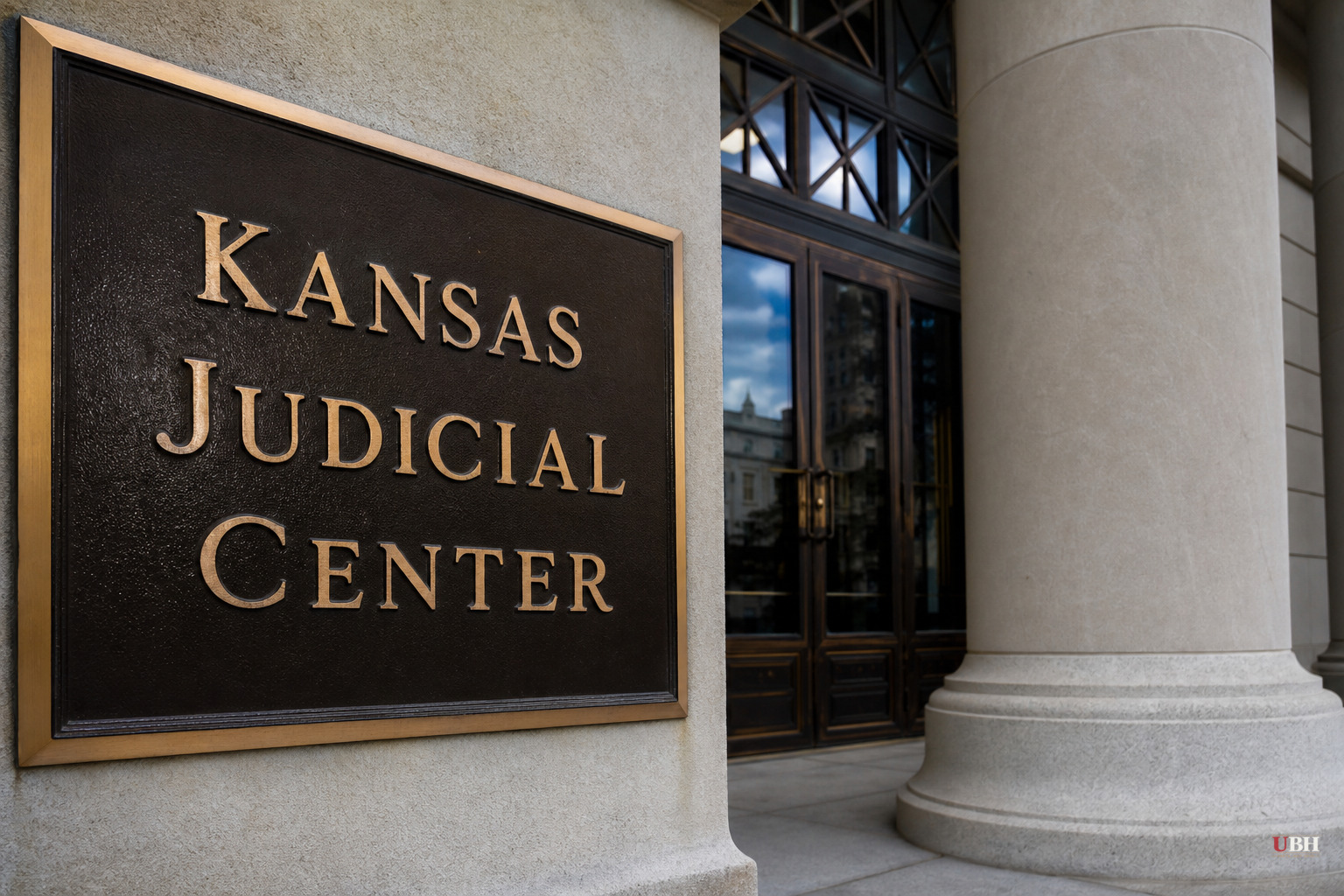
The ruling itself runs 261 pages. It was electronically filed Monday and made public Tuesday, according to the Johnson County Post. Jayaram was sworn in at the Kansas Judicial Center in Topeka that same Monday. The filing also landed on Election Day, when Kansas voters were deciding a constitutional amendment on how the state picks its Supreme Court justices.
What Jayaram actually wrote
Jayaram applied strict scrutiny, the toughest standard of judicial review, and said the state didn't come close to meeting it. "The State Defendants simply failed in their obligation to clear that high bar to justify such intrusive legislative mandates. It is not, in this Court's view, even a close call, based upon the record before the Court," he wrote, per the Johnson County Post.
He found the laws violated the Kansas Bill of Rights on multiple fronts, including bodily autonomy, free speech, and equal protection. Breitbart News reported he called pregnancy an "intimate healthcare condition" and described the pro-life statutes as "draconian." His reasoning leaned heavily on a prior Kansas Supreme Court decision that found a state constitutional right to abortion.
Most of these restrictions had already been unenforceable for years. Jayaram issued a temporary block on them back in October 2023, while the underlying case was still working through his courtroom. This ruling makes that block permanent.
The lawsuit and who brought it
The case was filed by Hodes & Nauser, Planned Parenthood Great Plains, and the Overland Park-based Center for Women's Health, represented by the Center for Reproductive Rights. Dr. Traci Lynn Nauser, an OB-GYN at the Overland Park clinic with more than 30 years in practice, was a lead plaintiff. "Today's ruling allows me to do my job the way I was trained to and focus on what's most important: my patients," Nauser said in a statement distributed by Planned Parenthood Great Plains. "These laws have interfered with my ability to provide high-quality, evidence-based health care."
The Kansas Attorney General's Office, under Kris Kobach, had defended the laws at trial, arguing they gave women information they needed before deciding on an abortion. Kobach's office did not respond to a Kansas City Star request for comment before publication, according to Breitbart News.
Mackenzie Ayers, a spokesperson for the pro-life group Kansans for Life, called the ruling a loss for women. "By striking down the Woman's Right to Know Act, the court has stripped away commonsense protections that had been in place for nearly 30 years and helped ensure women received the information they needed before making a life-altering decision, leaving them even more vulnerable to a predatory abortion industry that consistently puts its own profits ahead of women," Ayers said.
The timing question
The critique from pro-life advocates isn't really about the legal reasoning. It's about the calendar. LifeNews.com called the ruling's timing evidence of "the abortion industry's strategic attacks" and framed it as proof the state's judicial selection process, which the site called "rigged," needed to be scrapped in favor of the ballot measure Kansans were voting on that same day.
A sitting judge issuing a major, long-pending ruling on the exact day he's sworn onto the state's highest court, and on the exact day voters are deciding how future justices get picked, invites suspicion about motive even if the legal merits are separate from the timing. Kansas currently selects Supreme Court justices through a nominating commission process that critics on the right have long labeled dominated by trial lawyers, while supporters say it insulates the bench from political pressure. Whether the amendment on the ballot passed or failed is not established in available reporting.
There's no evidence in the available reporting that Jayaram coordinated the filing date with anyone or that the timing was anything other than when his opinion was finally finished after years of litigation and a full trial record. No investigation into the timing has been announced. The ruling followed a trial, not a snap decision, and Jayaram had already signaled his direction with the 2023 temporary injunction.
Kansas voters separately rejected a 2022 constitutional amendment that would have stripped abortion protections from the state constitution entirely, a result both sides have cited as evidence of where the state's electorate actually stands. Abortion remains legal in Kansas up to 22 weeks, with exceptions for the mother's life or serious health risks.
What happens next is an open question. The state could appeal Jayaram's ruling to the Kansas Supreme Court, the same body he now sits on, which would likely require his recusal given his authorship of the trial court opinion. Neither the Attorney General's office nor the court has announced next steps in the reporting available.
Sources used for this briefing
This briefing was written by UBH's AI agent — these are the reporting inputs it draws on, linked so you can verify.


