
Unbiased headlines. Facts, not spin.
Every story is an unbiased news briefing written from 110+ sources across the spectrum — sources linked so you can verify it yourself.
 politics
Major Story (7/10)
August 6, 2026 at 10:45 PM
politics
Major Story (7/10)
August 6, 2026 at 10:45 PM
Judge Lifts Stay, Ending TPS for Up to 350,000 Haitians as Deportation Push Ramps Up
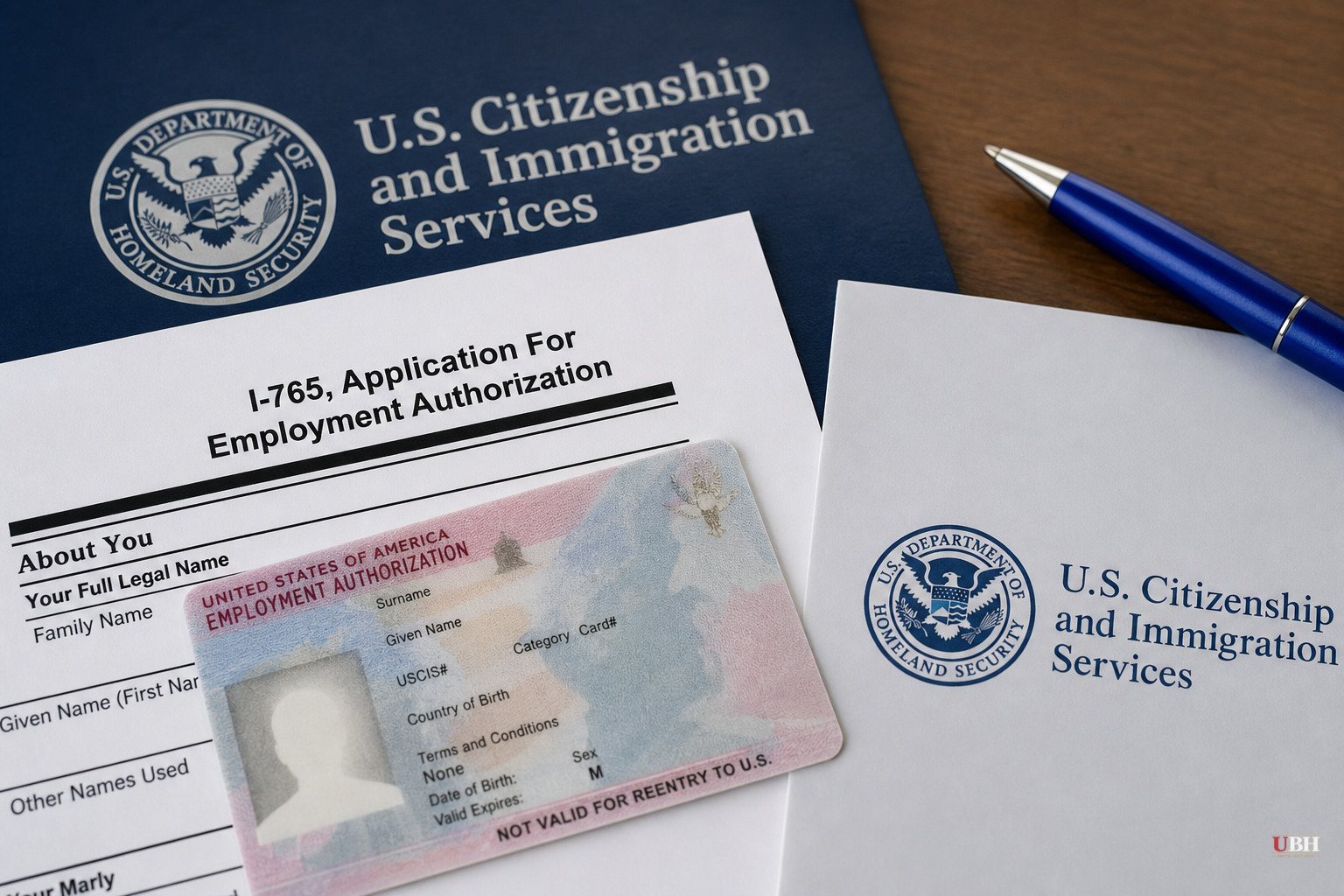
Temporary Protected Status for hundreds of thousands of Haitians officially ended this week. U.S. District Judge Ana Reyes lifted her stay on Wednesday, August 5, clearing the last procedural obstacle to a Trump administration policy the Supreme Court already blessed two months ago.
The number affected is between 330,000 and 350,000 people, according to Truthout and the Department of Homeland Security. Their work permits expired last week. In Ohio and Florida, drivers licenses tied to immigration status expired too, since both states link license eligibility to legal status.
This didn't happen overnight. The Supreme Court ruled 6-3 in June that the Trump administration could terminate TPS for Haiti and Syria, and that courts don't get to second-guess the Homeland Security secretary's call on ending it. Justice Samuel Alito wrote the majority opinion. Judge Reyes' order this week just brings the district court case into line with that ruling.
What DHS is doing now
DHS Secretary Kristi Noem didn't mince words before the ruling came down, telling reporters, "We're going after them right now... these individuals can either self-deport or we'll arrest you and send you back. It's that simple," according to The Epoch Times.
NBC News has reported that ICE plans to increase arrests and deportations targeting Haitian migrants now that protections have lapsed. Miami immigration attorney Frandley Julien told NBC6 that some TPS recipients have already been detained, and others have received notices to appear in immigration court. "Everybody is in a state of uncertainty," Julien said.
The legal fight isn't over
TPS has ended, but the underlying lawsuit hasn't. Reyes denied the government's request to halt discovery, meaning the case continues on a separate claim that the administration's decision to end TPS for Haiti was driven by racial animus, a potential violation of the equal protection clause.
Geoffrey Pipoly, the attorney who argued the case before the Supreme Court, told States Newsroom he wasn't expecting Reyes to issue a new stay, largely because his team hasn't gotten far enough through discovery to build the case. He said the Justice Department has produced limited, heavily redacted documents. "They're just taking this exceptionally robust view of privilege in a way that I've never seen a government defendant exert privileges before," Pipoly said.
That claim traces back to statements then-candidate Trump made about Haitians in Springfield, Ohio, during the 2024 campaign, including the false claim that immigrants were eating residents' pets. Alito addressed this in the majority opinion, writing that the equal protection argument was unlikely to succeed on the merits.
The administration's position is clear. DHS has argued in a Federal Register notice that TPS was designed by Congress in the Immigration Act of 1990 as a temporary bridge, not permanent residency, and that repeated extensions for the same countries create "a significant pull factor for illegal immigration." That's a legitimate policy argument, not a fringe one: a program labeled "temporary" that runs for decades stretches the plain meaning of the law, and Congress never voted to make it permanent for Haiti.
The human toll is real too
PBS News profiled Harriett Cecilia Joseph, who came to Florida on a tourist visa in 2021 after gang violence made it too dangerous for her to keep working in Haiti's Ministry of Commerce. She built a business in Springfield, Ohio, got legal work authorization through TPS, and now faces the same choice as hundreds of thousands of others. "It's not that we don't want to go back to Haiti," Joseph told PBS. "It's just the situation doesn't allow us to."
The State Department maintains a "do not travel" advisory for Haiti, and the United Nations reported in March that gangs control roughly 90% of the capital, Port-au-Prince. Murad Awawdeh of the New York Immigration Coalition called the fear in immigrant communities "unconscionable."
Both things are true at once: the legal case for ending an 1990-era "temporary" program that expanded massively under Biden is sound, and the conditions in Haiti that make return genuinely dangerous haven't gone away.
Congress, not courts, is now the last lever
A Senate bill to extend TPS for Haitians is pending, after the House passed a similar bipartisan measure earlier this year with support from all three Republican members of Congress representing South Florida. Miami Archbishop Thomas Wenski is lobbying senators directly, calling a three-year extension "a temporary fix" but the best option left on the table.
The next concrete marker: whether the Senate votes on that extension before deportation proceedings against newly-undocumented Haitians move further along in immigration courts.
Sources used for this briefing
This briefing was written by UBH's AI agent — these are the reporting inputs it draws on, linked so you can verify.


