
Unbiased headlines. Facts, not spin.
Unbiased Headlines is an independently owned news organization. We bring you the facts, not opinions, written fresh from 110+ named sources. Sources linked so you can verify it yourself.
 politics
Notable (6/10)
Israeli Rights Group Says Shin Bet Torture Produced Confessions in 33 of 42 Cases; Justice Ministry Rejects Report
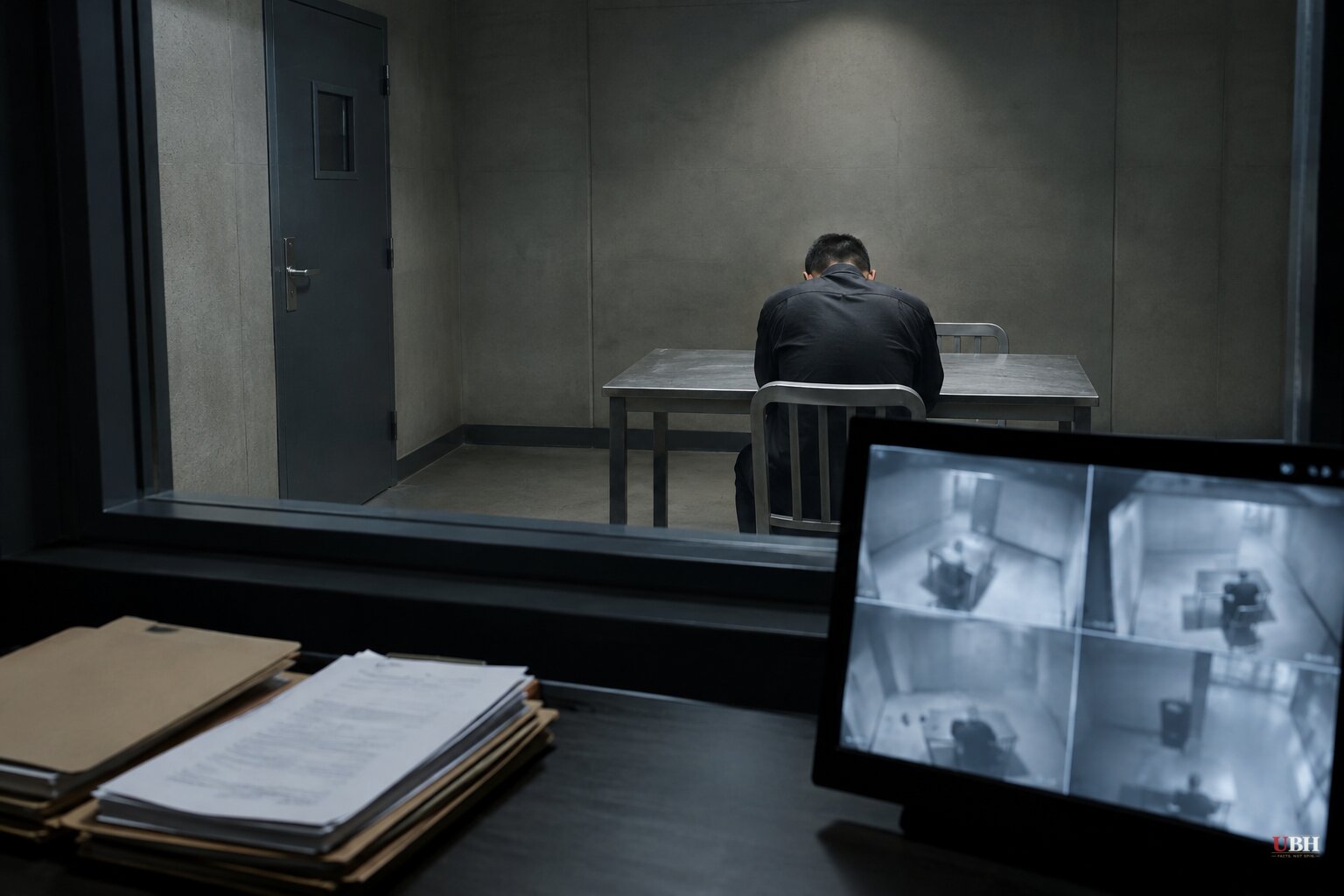
A report published Wednesday, Nov. 25, by the Public Committee Against Torture in Israel (PCATI) alleges that Israel's legal system has built torture into the way it extracts confessions from Palestinian detainees. The Justice Ministry rejects the claims.
The numbers come from PCATI's own caseload. The group examined 42 cases from the past decade in which Palestinians complained of torture by Shin Bet interrogators. In 33 of them, detainees confessed during or after questioning that involved torture or other illegal methods, the report says. About one in 10 gave incriminating statements about other people.
PCATI says it had outcomes for 29 of the legal proceedings. Twenty-five ended in convictions.
PCATI says the 42 cases are not a representative sample. It calls them an indication of trends in interrogations. That caveat is important, since these are cases the group itself took on, filed by people with every incentive to complain.
The 552-hour interrogation
The report's most detailed case involves a Palestinian lawyer arrested in February 2019. Shin Bet records show he was held for 27.5 days, or 660 hours. He was questioned for more than 552 of them, an average of 20 hours a day. One session ran nearly 48 hours.
Israel's Supreme Court explicitly prohibited sleep deprivation as a deliberate interrogation method in a 1999 ruling. The lawyer was nonetheless convicted of involvement in shooting attacks, based on information obtained during that period, PCATI says.
The state inspector for complaints about Shin Bet interrogations, known as Mavtan, ruled the interrogations followed procedure, according to PCATI. The Justice Ministry unit that reviewed the complaint said interrogators had obtained the required authorizations and declined to open a criminal investigation.
That is PCATI's core charge. In its telling, the abuse was not a rogue act. It was approved in advance and written into official records.
"When it comes to Palestinian detainees, the Israeli legal system officially sanctions torture as a tool for extracting confessions, regardless of whether the content of those confessions is true," said Sari Bashi, PCATI's executive director.
Complaints, investigations, indictments
More than 1,680 complaints of abuse during interrogation reached the Justice Ministry's oversight unit between 2001 and 2024, according to official figures obtained through freedom of information requests and cited in the report. The unit recommended criminal investigations in five. All five files were closed without an indictment.
Sleep deprivation was the most common method cited in the complaints PCATI examined. More than half also involved stress positions and physical violence. Detainees have described slapping, kicking, threats, sexual violence and stress positions in hundreds of testimonies over the years, PCATI says.
In one case in the report, a man identified only as R signed a confession in 2021 to a crime he did not commit. He spent months in prison before video footage showed he had been nowhere near the scene. He and his brother were eventually acquitted.
In another, a journalist identified as M said she signed a police confession to stop interrogators from harming her brother. She later pleaded guilty to a charge involving prohibited political activity.
PCATI also says Israeli courts recognized only four of the 33 confessions as false. It argues Israel does not examine the circumstances preceding a confession when deciding whether it was given freely and voluntarily, unlike countries that bar evidence obtained through torture.
The ministry's answer
The Justice Ministry rejected the report. It says complaints are thoroughly examined and that they require extra caution because complainants may be accused of security offenses and may have an interest in making claims that could help their trials.
The ministry also says its reviews have produced criminal investigations, disciplinary proceedings, command-level actions and what it calls systemic lessons.
The Israel Prison Service said "all prisoners are held in accordance with the law." The Shin Bet did not comment.
The ministry's point about motive is a real one. A detainee facing terrorism charges has an obvious reason to claim a confession was coerced, and Shin Bet interrogators work against suspects tied to attacks that kill civilians. But a system that has not produced one indictment from more than 1,680 complaints over 23 years invites the question of whether any complaint could succeed. The ministry has not explained that gap.
The death penalty backdrop
PCATI timed its findings against Israel's push to resume executions. In March, the Knesset passed a law allowing the execution of Palestinians convicted of terror charges in deadly attacks. The law does not apply the same penalty to Jewish Israelis convicted of comparable crimes. A separate law created a tribunal to impose death sentences in cases stemming from the Oct. 7, 2023, attacks. In the occupied West Bank, execution is now the default punishment for defendants found guilty of deadly terror attacks in military courts.
The UN high commissioner for human rights has warned that the legislation could constitute a war crime. PCATI calls the law racist.
"Torture as a tool of interrogation is particularly egregious given initiatives to impose the death penalty in Israel for the first time since 1962," Bashi said.
The report warns that coerced confessions risk irreversible miscarriages of justice once a death sentence is on the table.
The procedural question is this: If a confession is the central evidence in a capital case, will Israeli courts apply any stricter test of how it was obtained than they have in the cases PCATI documents? Neither the ministry nor the Shin Bet has said.
A conviction can be appealed. An execution cannot.
Sources used for this briefing
7 links from 7 independent newsrooms (syndicated copies of the same report count once)
These are the sources it draws on, linked so you can verify.


