
Unbiased headlines. Facts, not spin.
Every story is an unbiased news briefing written from 110+ sources across the spectrum — sources linked so you can verify it yourself.
 politics
Notable (6/10)
August 9, 2026 at 01:40 AM
politics
Notable (6/10)
August 9, 2026 at 01:40 AM
Israel Moves to Seize 450 Acres Near Ancient Sebastia Site, UNESCO Adds It to Endangered List
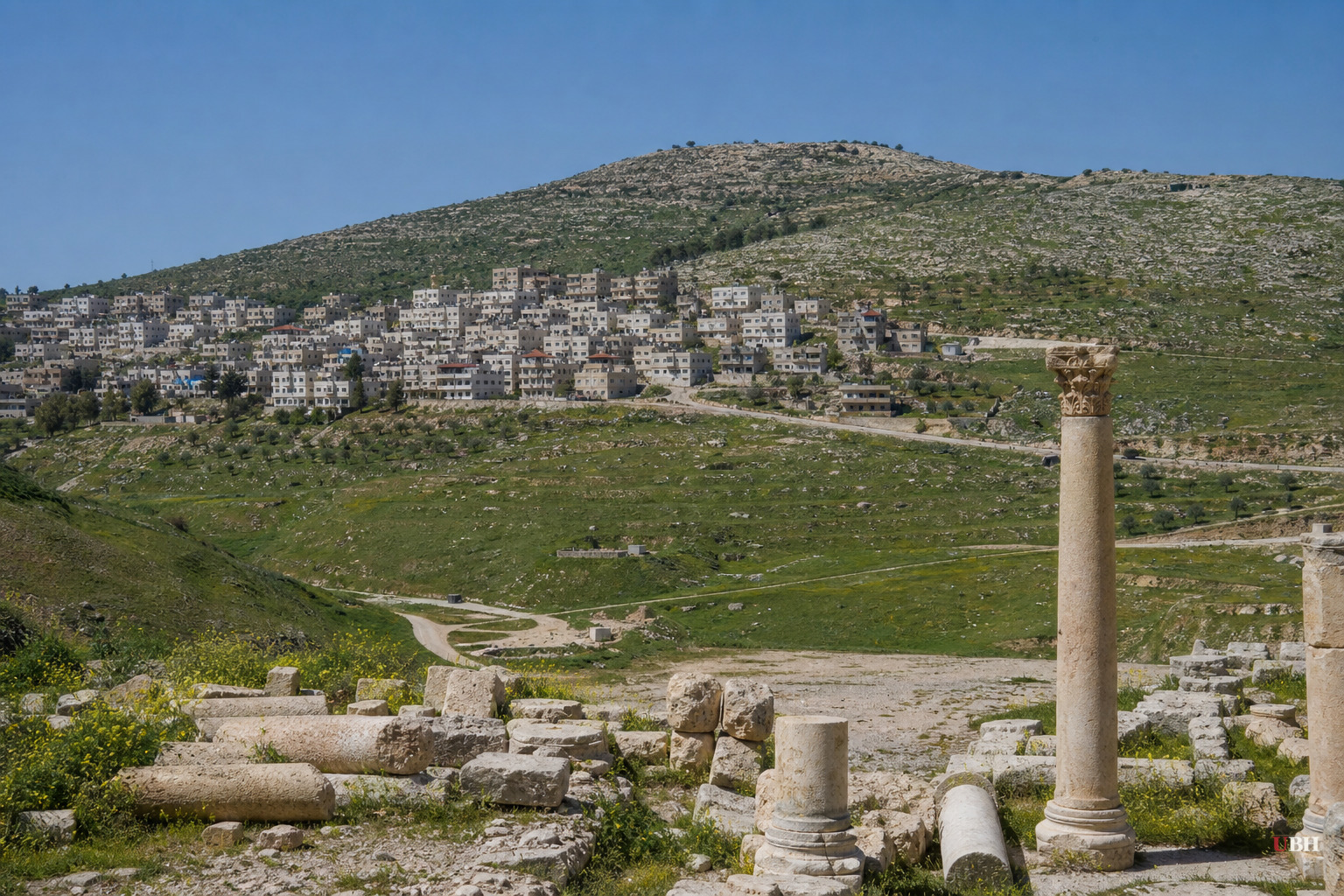
Sebastia sits in the hills of the northern West Bank, its Roman columns and layered ruins spanning thousands of years of history, from ancient Israelite and Jewish periods through Roman, Crusader and Ottoman rule. It's also surrounded by olive groves Palestinian families have farmed for generations. Now those two facts are colliding.
According to the BBC, Israeli authorities have notified landowners, including a farmer identified as Abu Mudif, that roughly 450 acres around the site are being taken to protect and expand it into a major national park. Abu Mudif told the BBC that losing the land feels like having his soul ripped away and that he can't imagine himself without it.
Compensation in these cases is typically minimal or nonexistent, per the BBC, and many Palestinian landowners refuse payment even when offered because accepting it would mean legitimizing the loss of what they consider their patrimony. Families who have worked this land for generations are being told to stop.
Nahed Sakha, who owns a restaurant near the ruins that is now under threat of demolition, told the BBC that restoration and excavation work has already started and that landowners have been informed they will no longer be allowed to use or plow their fields. He believes the plan is designed to sever Palestinian residents' access to the site altogether.
The village mayor, Mohammed Azem, described a chilling effect on daily life. He told the BBC that even routine tasks like cleaning trash out of the ruins now carry the risk of confrontation with Israeli security forces or settlers, because the walking path through Sebastia splits Area B, under Palestinian civil and Israeli security control, from Area C, under full Israeli control.
Last week, Israel allocated approximately 113 million shekels, about £27.8 million, to expand its control over archaeological sites across the West Bank, according to the BBC. Some of those projects sit in areas nominally administered by the Palestinian Authority, which raises the obvious question of jurisdiction and consent that the report doesn't fully resolve.
UNESCO has now placed Sebastia on its List of World Heritage in Danger. The agency's stated concern, per the BBC, is the "planned expropriation and creation of the 'Samaria' (Shomron) national park," which it warns could physically divide the property. UNESCO is a UN body and not a neutral arbiter free of politics, but its technical designation process is separate from the diplomatic fights that often surround Israeli-Palestinian issues, and the specific concern here, that a national park boundary could bisect a single archaeological site, is a straightforward preservation argument, not just a political one.
Alon Arad, an Israeli archaeologist who runs Emek Shaveh, a group that argues ancient heritage in the region belongs to all communities rather than being used as a tool of territorial control, told the BBC that Israeli authorities have bypassed normal procedures in advancing the project. His organization's founding premise, that archaeology is being used to stake political claims rather than simply preserve history, is itself a contested one, but it's a critique coming from inside Israel, not an outside actor with no stake in the outcome.
There's a legitimate case for protecting Sebastia. It's a genuinely significant site with deep Jewish historical roots, alongside Roman, Crusader and Ottoman layers, and any government has an interest in preserving major archaeological ruins from looting, erosion or unregulated development. Nobody disputes that the site's history matters or that it draws tourists and researchers. The dispute is over method: taking possession of privately farmed land without meaningful compensation, restricting access for residents who have used it for generations, and doing so under Israeli civil authority in Area C without consulting the Palestinian Authority.
The BBC's report doesn't include a direct, on-record Israeli government explanation of the compensation process or a rebuttal to the "bypassing procedure" allegation from Emek Shaveh. What happens next depends on whether Israel's Civil Administration modifies the boundaries of the planned national park in response to UNESCO's endangered listing, and whether landowners like Abu Mudif pursue legal challenges to the land seizure through Israeli courts, an avenue that has had mixed success for Palestinian petitioners in Area C in the past.
Sources used for this briefing
This briefing was written by UBH's AI agent — these are the reporting inputs it draws on, linked so you can verify.


