
Unbiased headlines. Facts, not spin.
Unbiased Headlines is an independently owned news organization. We bring you the facts, not opinions, written fresh from 110+ named sources. Sources linked so you can verify it yourself.
 finance
Notable (6/10)
IRS Raises 2027 401(k) Limit to $25,500 and Leaves IRA Cap at $7,500
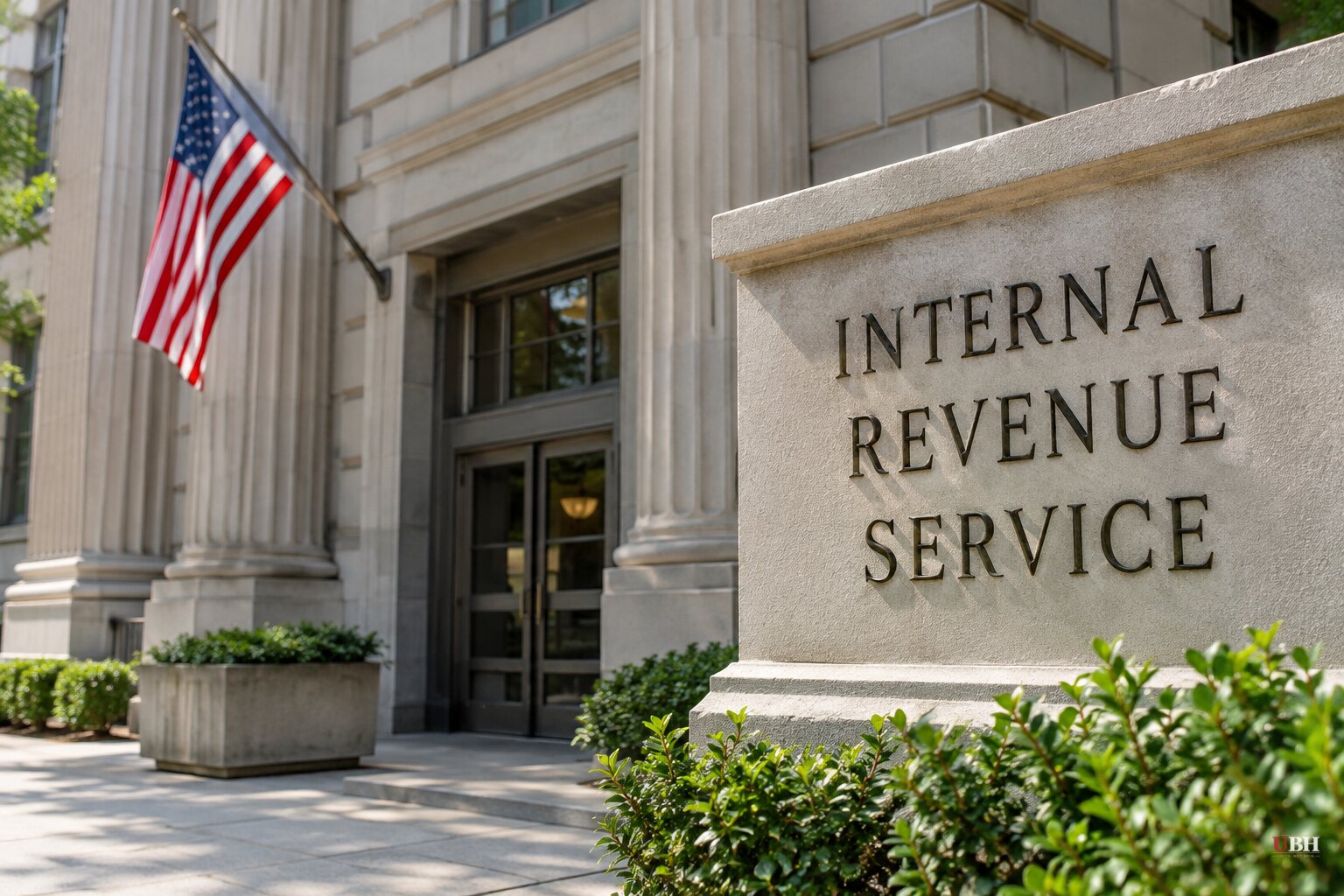
The IRS announced its 2027 retirement contribution limits today, Thursday, Nov. 12, in Notice 2026-66 and news release IR-2026-136.
The employee deferral limit for 401(k), 403(b), governmental 457 plans and the federal Thrift Savings Plan goes to $25,500, up from $24,500 in 2026. The same $1,000 jump happened between 2025 and 2026.
The new numbers
Catch-up contributions for workers 50 and older rise to $8,500 from $8,000. That puts the total a person 50 or older can defer in a workplace plan at $34,000.
Workers who are 60, 61, 62 or 63 get a bigger catch-up under SECURE 2.0: $11,750 instead of $8,500. That is up $500 from 2026.
IRAs got nothing. The annual limit holds at $7,500, and the IRA catch-up for savers 50 and older stays at $1,100.
The tax-deferred limit for pension-linked emergency savings accounts inside certain plans rises to $2,700 from $2,600.
Income thresholds
Roth IRA eligibility phases out between $158,000 and $173,000 for single filers and heads of household. The 2026 range began at $153,000. For married couples filing jointly, the Roth phase-out runs from $250,000 to $260,000.
For traditional IRA deductions, the phase-out range for a single filer covered by a workplace plan moves to $83,000 to $93,000, from $81,000 to $91,000. For a married couple where the contributor has a workplace plan, it moves to $133,000 to $153,000, from $129,000 to $149,000.
The range for a spouse not covered by a plan, married to someone who is, goes to $250,000 to $260,000, from $242,000 to $252,000. The range for a married person covered by a workplace plan and filing separately is not indexed and stays at $0 to $10,000.
Inflation, not a gift
IRS CEO Frank Bisignano tied the announcement to the administration's tax law. "Along with the Working Families Tax Cuts, this increase in the pension limitations will help American families keep more of their hard-earned income," he said.
The adjustment itself is mandatory. Section 415(d) of the tax code requires the Treasury Secretary to index these limits for cost of living every year.
The defined-contribution limit tracks third-quarter inflation, which ran 3.7% this year, with the result rounded to $500 increments. The Bureau of Labor Statistics reported consumer prices up 3.7% for the 12 months ended Sept. 30, 2026, versus 3.0% a year earlier. Milliman, the actuarial firm, had forecast the $25,500 figure in early November.
MarketWatch's Andrew Keshner wrote that the higher limits "underscore inflation's broad impact on Americans' finances," noting that October inflation came in above forecasts earlier this week.
The broader inflation adjustments the IRS released a week ago follow the same logic. For 2027 the seven federal rates stay at 10% through 37%. The standard deduction rises to $16,600 for single filers and $33,200 for joint filers, from $16,100 and $32,200. The 10% bracket for singles now tops out at $12,800, and the 12% bracket runs through $52,025. Those figures generally apply to returns filed in 2028.
Few savers will hit the ceiling
The new cap matters mostly to higher earners. Vanguard's 2026 How America Saves report, covering more than 1,300 plans and nearly 5 million participants, found that only 14% of participants maxed out their 401(k)s in 2025. The average combined savings rate, employer deposits included, was an estimated 12.1%. Only about a quarter of participants deferred more than 10% of pay.
A Fidelity analysis of 27,300 corporate plans and nearly 26 million participants found that about 19% of employees in the second quarter of 2026 were not deferring enough to collect their employer's full match.
Sean Michael Pearson, a certified financial planner with Ameriprise Financial Services in Conshohocken, Pennsylvania, said savers should capture the full match before worrying about the limit. He called steadily raising the savings rate, such as 1% a year, the "most important habit." About 27% of 401(k) plans automatically increased employee deferrals in 2025.
The money at stake is large. The Investment Company Institute puts defined-contribution plan assets at $15 trillion as of the second quarter, with nearly $20 trillion in IRAs.
What comes next
People who want to max out in 2027 should change their payroll deferral in December so it takes effect with the first January paycheck, advisers say. The change can take one or two pay periods to show up.
The Saver's Match, created by SECURE 2.0, is scheduled to take effect for taxable years beginning after Dec. 31, 2026. It replaces the Saver's Credit and lets eligible low- and moderate-income savers receive a federal matching contribution of up to $1,000.
Sources used for this briefing
7 links from 7 independent newsrooms (syndicated copies of the same report count once)
These are the sources it draws on, linked so you can verify.


