
Unbiased headlines. Facts, not spin.
Unbiased Headlines is an independently owned news organization. We bring you the facts, not opinions, written fresh from 110+ named sources. Sources linked so you can verify it yourself.
 sports
Notable (5/10)
sports
Notable (5/10)
IOC Shuts 12 Permanent Committees, Including Gender Equality and Human Rights Panels
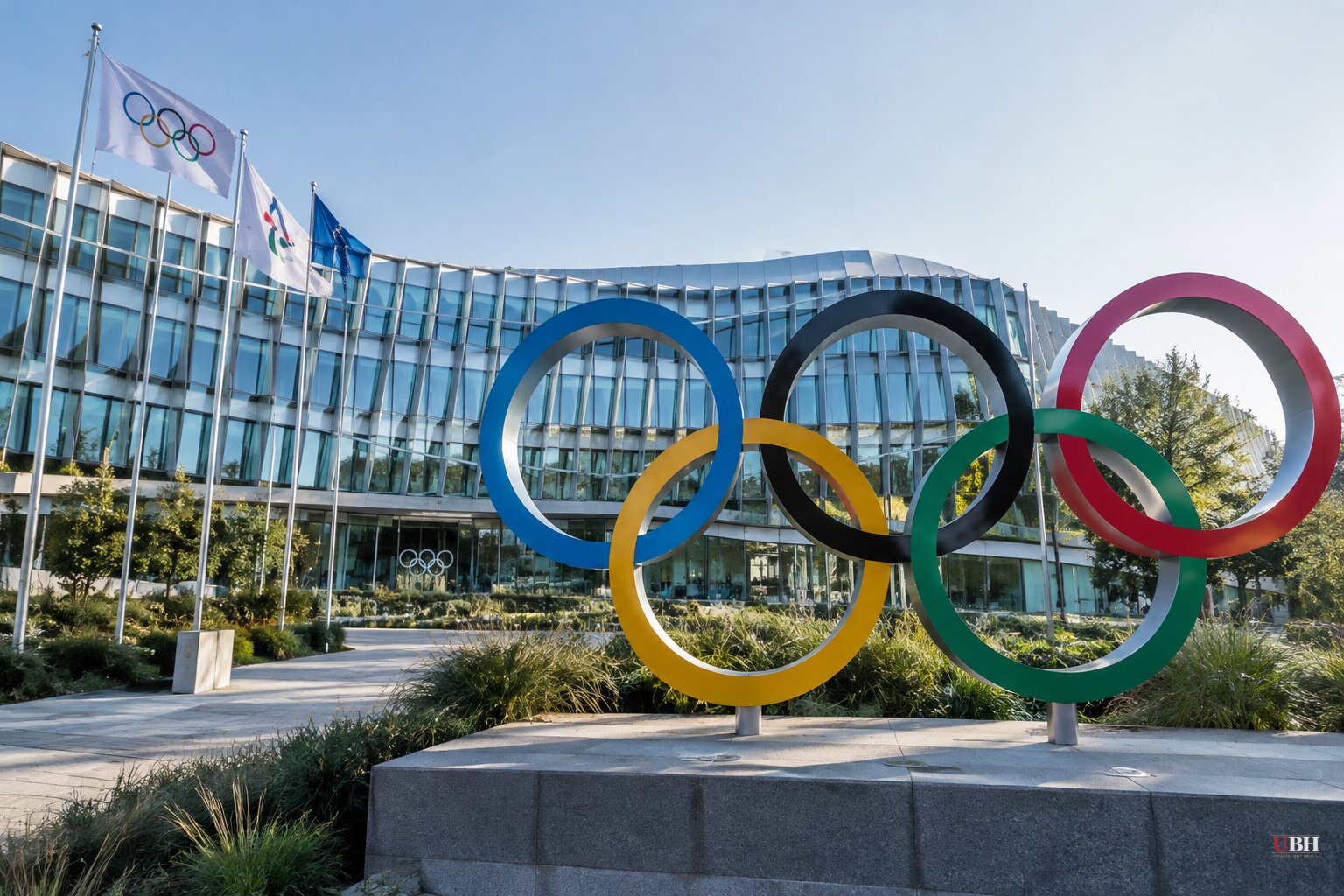
The International Olympic Committee is closing 12 permanent committees, the IOC said Friday, Oct. 16. That takes the number of standing committees from 31 to 19.
The IOC described the move as streamlining and cost-cutting. In place of the standing bodies, it will assemble expert working groups when a specific issue calls for one.
What is being cut
Two of the committees going away deal with the subjects that have dominated Olympic politics lately. One is the Gender Equality, Diversity and Inclusion Commission. The other is the Advisory Committee on Human Rights, chaired by Phumzile Mlambo-Ngcuka, the former deputy president of South Africa.
The list also includes commissions on sustainability, technology, athletes' entourage and digital engagement. Other outgoing bodies cover education and commercial partnerships.
The outgoing committees typically had between 10 and 30 members. They met once a year at IOC headquarters in Lausanne, Switzerland.
Still standing are the Athletes' Commission, the Ethics Commission, the Audit Committee and other institutional bodies, 19 committees in all.
The IOC's stated reasoning
In a statement, the IOC said the switch to ad hoc working groups will allow "targeted engagement on key strategic priorities and policy development." The organization said the changes followed more than a year of consultation and review.
The IOC has offered no other explanation, and no source has tied the closures to any single policy dispute. Fewer standing committees means fewer annual meetings and fewer members to fly in and house. The IOC has not published a savings figure.
Coventry's playbook
Kirsty Coventry is in her second year as IOC president. She has already leaned on small, handpicked groups instead of the standing structure.
The clearest example came this year. A review of the "protection of the female category" went to an expert panel whose membership was kept confidential. The in-house Gender Equality, Diversity and Inclusion Commission was not given the job, and it is the body now being eliminated.
That review produced the policy announced March 26. It requires a one-time screening for the SRY gene, which is typically associated with male sex development. The rule excludes transgender women from female Olympic events. It also affects some athletes with differences in sex development, with limited exceptions. The rules are not retroactive and do not apply to recreational sport. They take effect beginning with the 2028 Los Angeles Games.
"It would not be fair for biological males to compete in the female category," Coventry said when the rules were announced. She also stressed athletes' dignity and access to counseling and medical guidance.
The policy lines up with President Donald Trump's February 2025 executive order. That order directed the secretary of state to press the IOC to adopt eligibility standards based on sex rather than gender identity or testosterone reduction.
What a working-group model changes
A permanent commission has a fixed membership, a published chair and a standing agenda. An ad hoc panel has whatever members the IOC leadership picks, for as long as the leadership wants it.
The female-category review shows how that works in practice. Its membership was never made public.
That is the tradeoff in the IOC's design. Targeted panels can move faster and cost less. They also answer to whoever appoints them, and the IOC has not said whether future panels will publish their members or their findings.
People who want a leaner Olympic bureaucracy get that here. The IOC is a Swiss-based organization with dozens of committees, and cutting more than a third of them is a real reduction.
What comes next
The IOC has not named any of the new working groups. It has not said whether a human rights or gender-related panel will be convened, who would sit on it, or whether the Advisory Committee on Human Rights' work will be assigned elsewhere.
The next test is the 2028 Los Angeles Games, where the SRY screening requirement takes effect for women's events.
Sources used for this briefing
7 links from 7 independent newsrooms (syndicated copies of the same report count once)
These are the sources it draws on, linked so you can verify.


