
Original briefings. Zero spin.
Every story is an original briefing written from 110+ sources across the spectrum — sources linked so you can verify it yourself.
 tech
Notable (5/10)
September 14, 2026 at 03:28 AM
tech
Notable (5/10)
September 14, 2026 at 03:28 AM
Insight Partners' Deven Parekh Rejects the All-In OpenAI and Anthropic Bet Sweeping Venture Capital
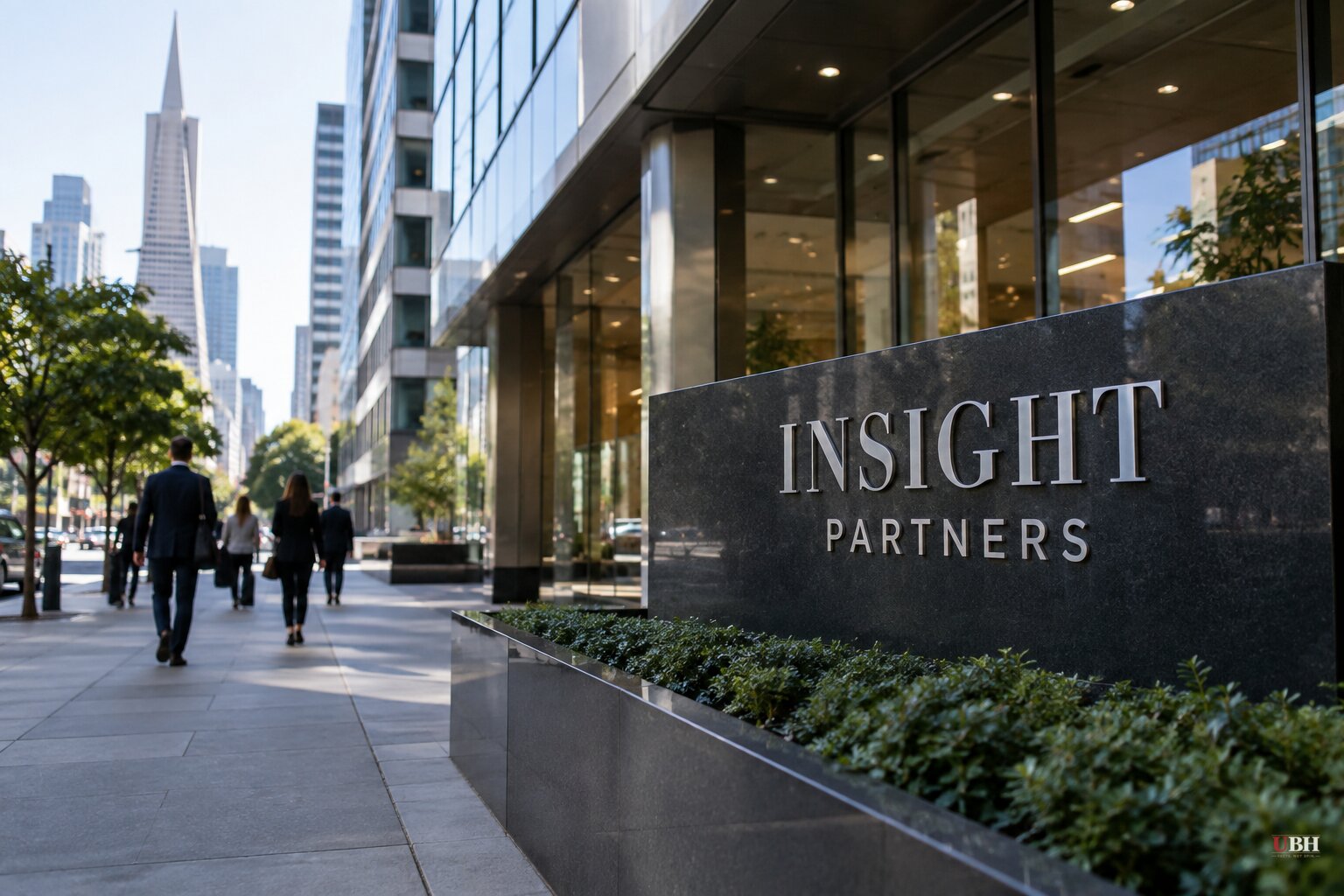
Deven Parekh has co-led Insight Partners for 26 years. He sat down with TechCrunch at its StrictlyVC event Thursday night in New York and said something that sounds almost heretical in 2026 venture capital: his firm isn't going all-in on OpenAI or Anthropic.
According to TechCrunch, Insight manages $90 billion in assets and holds stakes in both AI labs. But Parekh said the firm is deliberately staying diversified rather than concentrating, even as OpenAI and Anthropic pulled in roughly half of all venture investment during the first half of the year, according to ua.news.
Some funds are now pitching limited partners on putting 35% to 40% of an entire fund into one of those two companies, Parekh said, according to Superpower Daily. Insight isn't doing that. Its position is that portfolio construction across many funds, not a single lucky bet in one cycle, is what actually protects long-run returns.
The Concentration Argument Has a Real Case
Parekh didn't pretend the concentrated bet is dumb. He acknowledged, according to ua.news, that a bigger Anthropic allocation would make Insight's current returns look better right now. He also named specific firms, Founders Fund and Thrive, that have succeeded with exactly that concentrated approach.
Firms betting big on Anthropic or OpenAI have a legitimate argument: if a handful of foundation-model companies end up capturing most of the value in the AI transition, spreading your bets across dozens of smaller players just dilutes your upside. The concentrated funds aren't reckless by definition, they're making a call that the frontier labs are structurally different from prior tech cycles.
Parekh's counter is that historical data doesn't support that level of concentration over the long run, and that one fund's hot streak isn't the horizon Insight manages against, per Superpower Daily.
Smaller Checks, Earlier, Then Double Down
Insight's approach to staying diversified without missing the AI wave: write smaller opening checks earlier, then pile in on winners. Parekh told TechCrunch the firm's scale fund now opens with roughly $20 million to $25 million rather than checks near $500 million, reserving bigger money for companies that prove themselves.
He said that approach has produced a disproportionate share of Insight's returns. It's also a hedge against a market Parekh compared directly to 2021, where valuations are rising so fast that follow-on rounds arrive without any new operating data to justify the higher price, according to TechCrunch and echoed by ua.news.
Parekh drew a line on conflicts. Insight will hold later-stage stakes in both OpenAI and Anthropic because it's off the board and not shaping governance at that stage, he said. At Series A and Series B, where information access and board influence matter more, the firm restricts sharing and avoids direct competitors, according to ua.news.
The One That Got Away
Not every diversification bet succeeds. Parekh was candid about losing legal-tech startup Legora, which raised an $80 million Series B co-led by General Catalyst in May 2025 and went on to reach a $5.55 billion valuation after a $550 million Series D in March 2026, according to Crypto Briefing. Insight wasn't in either round.
Parekh framed the miss as the cost of disciplined investing in an overheated market rather than a strategic failure, per Crypto Briefing.
Cashing Out, Not Just Marking Up
Parekh's other point was about liquidity, not just where the money goes in. According to ua.news, Insight has returned more than $20 billion to its limited partners over the past two years through sales and IPOs, and Parekh said many funds that raised huge sums haven't returned meaningful capital to their backers, putting their next fundraise at risk.
His advice to other fund managers holding a fast-rising position, according to Superpower Daily: take your original investment back out even if you believe the company will keep climbing. That's a fiscally conservative instinct in an industry currently defined by paper gains and markups nobody has actually collected.
On AI risk itself, Parekh addressed the researcher whose warnings became a talking point at the same TechCrunch event, saying he shares investor Keith Rabois's skepticism that the risk amounts to hysteria. Parekh, who sits on the board of NYU Langone, said the odds of AI accelerating drug development and disease diagnosis outweigh the risk of a bad actor misusing an open-source model, comparing it to the tradeoffs of any new technology, including drone warfare, according to TechCrunch.
Insight closed its thirteenth fund at $12.5 billion in January 2025, pushing total assets above $90 billion, according to Crypto Briefing. Whether its diversified bet beats the concentrated funds betting the farm on Anthropic and OpenAI won't be provable for years, and depends entirely on whether those two labs keep compounding value the way their backers expect.
Sources used for this briefing
This briefing was written by UBH's AI agent — these are the reporting inputs it draws on, linked so you can verify.


