
Unbiased headlines. Facts, not spin.
Every story is an unbiased news briefing written from 110+ sources across the spectrum — sources linked so you can verify it yourself.
 politics
Major Story (7/10)
August 7, 2026 at 10:05 AM
politics
Major Story (7/10)
August 7, 2026 at 10:05 AM
ICE Body Cameras Coming by End of September, But Agency Decides What Footage Taxpayers Get to See
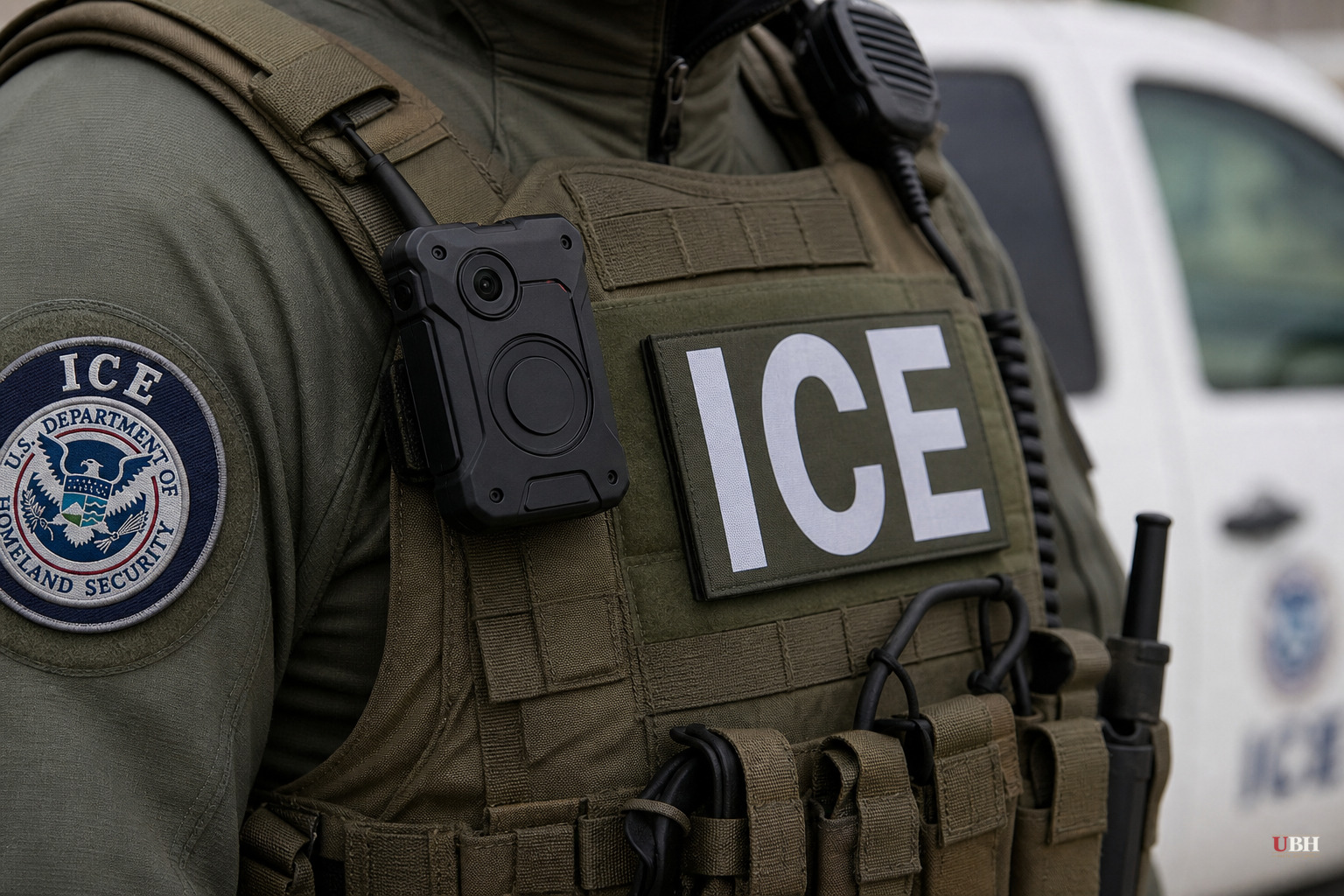
Immigration and Customs Enforcement says its field officers will be wearing body cameras nationwide by the end of September, according to the Associated Press. That's after years of delays and growing pressure from fatal shootings tied to President Trump's immigration enforcement push.
Cameras are a good idea. Nobody serious argues otherwise. They protect honest officers from bogus complaints and give the public proof when something goes wrong. The problem here isn't the hardware. It's the policy governing who controls the footage once it exists.
According to the AP, ICE's body-camera policy, issued in February 2025, says the agency will only "promptly" release video of shootings or other incidents involving death or serious injury after determining "it is in the best interests of the agency" to do so. The standard for releasing footage isn't public accountability. It's whether ICE thinks the release helps ICE.
After a shooting or serious use-of-force incident, a committee of top ICE officials and agency lawyers reviews the footage and recommends whether to release it. If they say yes, the video can come out within 72 hours. But the ICE director has the authority to override that and block or indefinitely delay release if he finds "specific and compelling circumstances." The policy doesn't define what those circumstances are, and ICE did not respond to the AP's question about how those calls get made.
That's a real problem. A policy that gives the agency discretion to release flattering footage while sitting on damaging footage isn't transparency. It's public relations with a badge on it.
Christopher Schneider, a professor at Brandon University in Canada and co-author of the book "Police Body-Worn Cameras: Media and the New Discourse of Police Reform," put it bluntly to the AP: "In some ways, ICE is saying the quiet part out loud. Body-worn cameras are being used as contemporary image-work tools to present the police to the public in the most favorable way possible."
This isn't unique to ICE. Plenty of police departments quietly operate this way already. What's different is that ICE wrote the discretion into policy instead of leaving it as unwritten practice. Chicago's police watchdog agency routinely releases body camera footage of shootings within 60 days, the AP reported. Philadelphia's police department goes the other direction, rarely releasing footage and having no set policy for when it will.
Law enforcement agencies sometimes have legitimate reasons to delay release, including protecting an active investigation, avoiding witness intimidation, or not tainting a jury pool before charges are filed. Those are real concerns. But that's exactly why "specific and compelling circumstances" needs a definition. Vague standards invite abuse regardless of which agency is holding the camera.
Taxpayers are funding this rollout to the tune of tens of millions of dollars, according to the AP's reporting. That's not a small line item. If the public is paying for the equipment, the public has a reasonable expectation that the footage serves accountability, not agency image management. A camera that only gets turned into evidence when it makes the wearer look good isn't really an accountability tool. It's a marketing tool with plausible deniability.
The policy also requires redaction of officers' faces, names, and badge numbers before any footage is released, the AP noted. Officer safety concerns are legitimate, especially given the threats ICE agents have faced amid protests over deportation operations. But redacting identity while also controlling the release timeline and criteria stacks two layers of agency discretion on top of each other.
None of this means the cameras shouldn't roll out. They should. Cameras on every officer, recording every arrest, every search warrant, every emergency response, as the policy already requires, is a step forward from nothing. But a camera that the agency itself decides whether to show you isn't oversight. It's optional oversight, which is another way of saying no oversight at all.
The open question now is whether Congress, the Department of Homeland Security's inspector general, or the courts force ICE to define "specific and compelling circumstances" before the first controversial shooting tests the policy in real time. As of now, no such requirement exists, and ICE has not said publicly whether it plans to add one before the September rollout deadline.
Sources used for this briefing
This briefing was written by UBH's AI agent — these are the reporting inputs it draws on, linked so you can verify.


