
Unbiased headlines. Facts, not spin.
Every story is an unbiased news briefing written from 110+ sources across the spectrum — sources linked so you can verify it yourself.
 politics
Notable (6/10)
August 3, 2026 at 02:01 AM
politics
Notable (6/10)
August 3, 2026 at 02:01 AM
Home Office Confirms At Least Five Al Fayed Victims as Human Trafficking Survivors
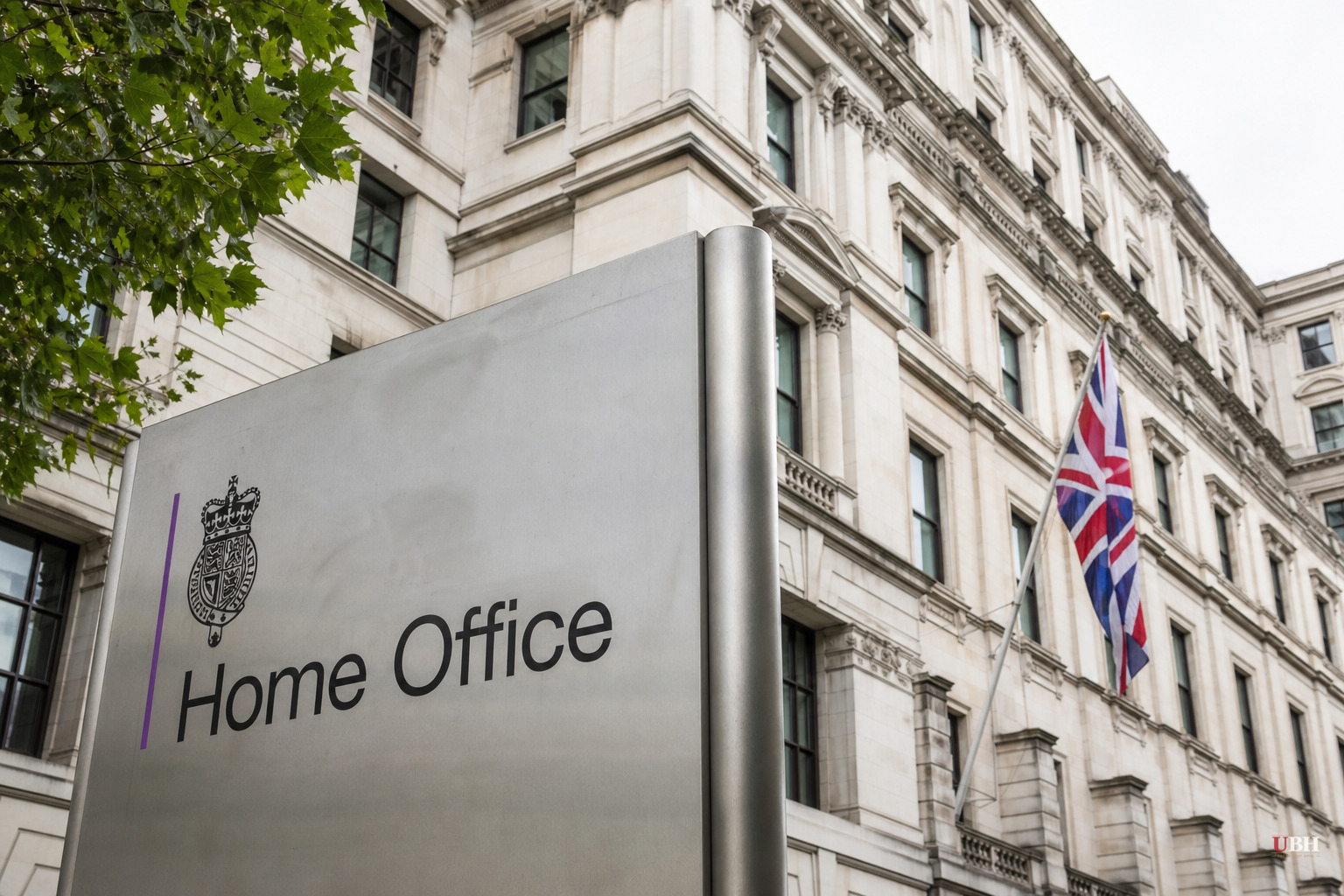
The Home Office has formally confirmed at least five women abused by Mohamed Al Fayed as victims of human trafficking, through the UK's National Referral Mechanism (NRM), according to the BBC, The Guardian, ITV News and The Independent.
More than 400 people have accused the former Harrods owner of rape, sexual assault, trafficking, false imprisonment, drugging, physical violence and forced abortions, spanning 1977 to 2014, according to The Guardian. Al Fayed died in 2023 without ever facing a single charge.
What's significant is official government recognition, in writing, that specific women were trafficked. A conclusive grounds decision from the NRM's Single Competent Authority, part of the Home Office, doesn't convict anyone. But legal experts have told the BBC these findings can bolster witness credibility in criminal proceedings and shape how police handle the cases going forward.
Who's been confirmed
The BBC first reported on April 29, 2026, that Rachel Louw, who waived her anonymity, became the first survivor to receive a positive conclusive grounds decision. The Home Office found she'd been sexually exploited in the UK and France over three years by Al Fayed and his brother Salah, who died in 2010.
Since then, all four members of a survivor advocacy group called No One Above have received the same recognition. PA Media identified them by the pseudonyms Justine, Elizabeth, Margo and Isabella. Their cases were referred to the NRM by the anti-trafficking charity Unseen UK.
Justine worked at Harrods for more than three years in the 1990s. She told PA she felt "shellshocked" when she got her decision in June. "It's not something I realised was happening to me at the time," she said, describing it as part of a process of "really understanding what happened to us, which is very difficult."
Isabella, who worked in the chair's office at Harrods in 2001, gave PA a blunt assessment of scale: "He couldn't have done what he did without Harrods processing women to him and silencing them afterwards. It wasn't just Harrods... It was his yachts, his aviation business, the Ritz Paris, his properties all over France and Monaco. It went as far as the States and the UAE."
The five confirmed cases include a mix of recruitment methods, per PA reporting cited across all four outlets. One woman was recruited into a fake role at Harrods. Two others held legitimate jobs before being "selected" for abuse off the shop floor. A fourth was hired as a domestic worker for the Fayed family through a letting agency called Hyde Park Residence. One case involved trafficking that occurred entirely within the Harrods building. The cases span from the 1990s through after Harrods was sold in 2010.
The investigation, and its pace
The Metropolitan Police's Operation Cornpoppy is examining who may have facilitated or enabled Al Fayed's abuse. The Guardian reports that four people have been questioned so far, 21 months after the investigation opened. That's a slow pace for a case with hundreds of alleged victims, and survivors have publicly criticized how the Met has handled it. The Independent Office for Police Conduct is separately reviewing complaints about how the force handled allegations between 2018 and 2024.
With over 400 allegations and now formal government confirmation that trafficking occurred, only four associates have been interviewed nearly two years in. Harrods, now under different ownership since 2010, told The Guardian it "supports all survivors in their pursuit of justice and continues to work closely" with them, though the company did not address the specific facilitation allegations raised by survivors like Isabella.
What the NRM designation actually does
The National Referral Mechanism was created under the Modern Slavery Act of 2015. It's a Home Office framework for identifying victims and connecting them to support. Statutory first responders, including police, Border Force and the National Crime Agency, must offer referral to anyone they reasonably believe may be a victim. Charities like Unseen, the Salvation Army and Barnardo's can also refer people in.
A conclusive grounds decision means the Single Competent Authority has investigated and determined, on the evidence, that the person was trafficked or enslaved. It carries no automatic criminal consequence for anyone. But as legal experts noted to the BBC, it can shift how police build a case and how juries might weigh a survivor's account, if Operation Cornpoppy ever produces charges against the people who allegedly enabled Al Fayed.
PA Media has indicated more survivors are awaiting or have already received similar decisions beyond the five confirmed publicly. Whether Operation Cornpoppy accelerates its pace of questioning associates, or whether any of the four people interviewed so far face charges, remains unresolved. No charges have been announced against anyone connected to the case as of this writing.
Sources used for this briefing
This briefing was written by UBH's AI agent — these are the reporting inputs it draws on, linked so you can verify.


