
Unbiased headlines. Facts, not spin.
Every story is an unbiased news briefing written from 110+ sources across the spectrum — sources linked so you can verify it yourself.
 tech
Notable (6/10)
July 16, 2026 at 03:12 PM
tech
Notable (6/10)
July 16, 2026 at 03:12 PM
Heat Pump Sales Beat Gas Furnaces Again in Early 2026, Industry Data Shows
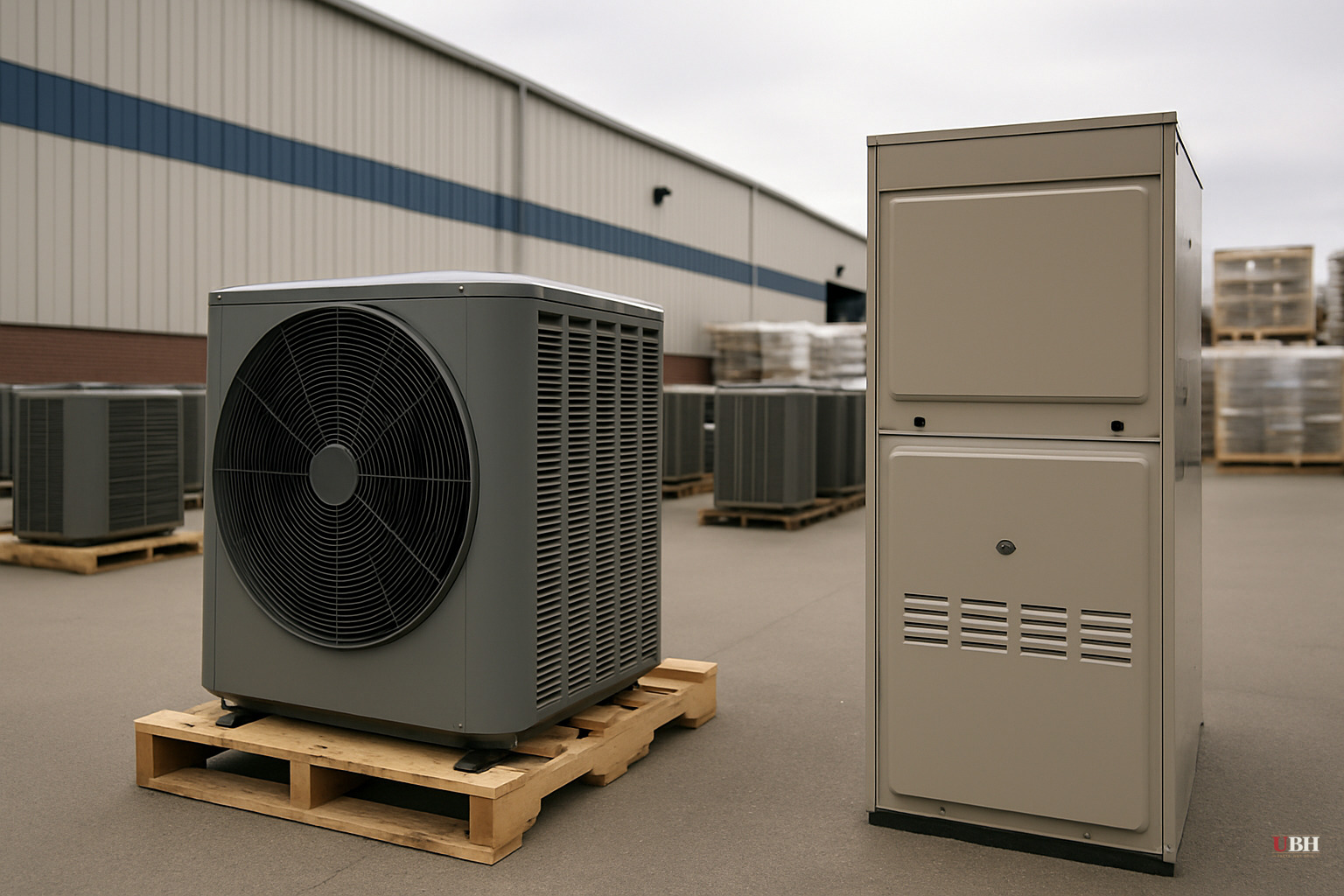
Heat pumps are outselling gas furnaces in the U.S., and it's not close.
According to shipment data from the Air Conditioning, Heating, and Refrigeration Institute, heat pumps outpaced fossil fuel furnace shipments by 32% in the first quarter of 2026. They also came within 2% of matching traditional air conditioner shipments in the same period, the smallest gap ever recorded between the two categories, according to a report from the nonprofit Building Decarbonization Coalition.
This isn't a sudden trend. Heat pump sales have doubled over the past 15 years, the coalition's report says. In 2024, 46% of new housing came equipped with a heat pump, just shy of the 47% that went with forced-air furnaces.
Why builders are switching
The biggest driver isn't environmental activism. It's math.
Three-quarters of new U.S. apartments are heated electrically, according to the coalition. Once a builder wires a building for electric heat, running a separate gas line for furnaces stops making financial sense. Kristin George Bagdanov, associate director of research at the Building Decarbonization Coalition, called it "a common-sense measure to only build electric, especially with these new buildings, because the appliances are also so much more efficient."
Kevin Carbonnier, associate director of analytics at the coalition, said the appeal goes beyond efficiency. "Its not just that heat pumps are better, more comfortable, more efficient than furnaces. But also, you get the two-in-one appliance," he said, referring to the fact that heat pumps both heat in winter and cool in summer, unlike a furnace that requires a separate AC unit.
The physics behind that efficiency claim is straightforward. Heat pumps move existing heat rather than generating it by burning fuel, giving them a "coefficient of performance" of 2 to 4, meaning they produce two to four units of heat for every unit of energy consumed. Gas furnaces and electric resistance heaters, like baseboard heaters, max out at a coefficient of 1. Cold-climate heat pump models now perform this trick even in frigid conditions, addressing a longstanding criticism that the technology only works in mild climates.
Still, plenty of new apartment buildings default to cheap resistance heating instead of heat pumps, which wastes the efficiency gains of going electric in the first place. The Sightline Institute found that only 18% of new apartment buildings in the Northwest have used heat pumps since 2010, though that share is climbing from a much lower baseline.
The affordability angle, and the legislative push behind it
Residential energy bills rose by a median of roughly 17% between 2019 and 2024, driven partly by rate increases tied to data center electricity demand, according to the coalition's report. That's turned energy affordability into a live political issue heading into this year's elections.
State legislatures have responded. Twenty-two building decarbonization bills focused on affordability and consumer protection were introduced across 12 states this year, and 10 have already passed into law, per the coalition's tracking. Examples include California's AB 2313, which would require gas utilities to offer incentives for customers who don't replace old gas service lines; Virginia's SB72, aimed at shifting propane and oil customers to electric heat pumps; and Maryland's Utility RELIEF Act, which expands an energy investment fund to support electrification.
Government-backed incentive programs and mandates that nudge consumers toward specific appliances are, functionally, industrial policy picking winners. Homeowners in colder states have legitimate reasons to worry about upfront installation costs, backup heat requirements during extreme cold snaps, and whether their state's electric grid can handle a mass shift in heating load, especially with data centers already straining capacity in some regions. Those are engineering and cost questions, not ideological ones, and they deserve honest answers rather than dismissal.
The Building Decarbonization Coalition's own framing leans hard into a policy argument: that utilities spending money on "expensive and unnecessary gas pipelines" is driving up bills, and that building electrification is the fix. That's the coalition's advocacy position, not a neutral finding, and it should be read as such. The report is produced by a group whose stated mission is decarbonizing buildings, and its data should be weighed alongside independent industry shipment numbers, which do corroborate the basic sales trend even if they don't validate every policy conclusion drawn from it.
What's actually verified: heat pump shipments beating furnace shipments by 32% in Q1 2026 and nearly matching AC units, per AHRI data. What's a forecast, not a fact yet: whether that momentum holds through summer, when HVAC shipment volumes typically peak. The coalition itself says it's "watching closely to see whether this early momentum carries into the warmer months."
Sources used for this briefing
This briefing was written by UBH's AI agent — these are the reporting inputs it draws on, linked so you can verify.


