
Unbiased headlines. Facts, not spin.
Every story is an unbiased news briefing written from 110+ sources across the spectrum — sources linked so you can verify it yourself.
 tech
Low Interest (4/10)
July 18, 2026 at 08:19 AM
tech
Low Interest (4/10)
July 18, 2026 at 08:19 AM
Grocery Outlet Installs Facial Recognition Cameras At Bay Area Stores To Fight Theft
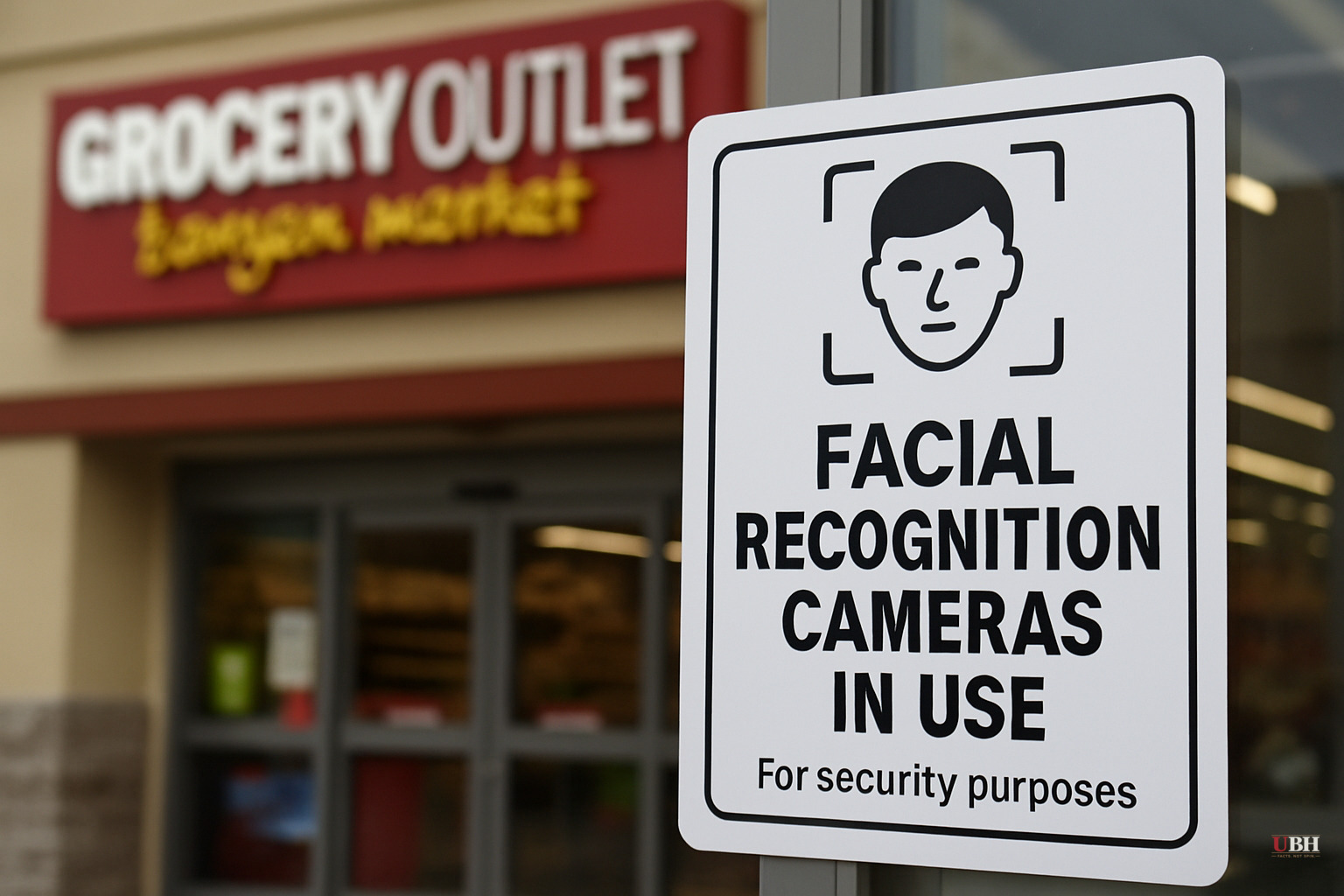
Grocery Outlet has started installing facial recognition technology at a handful of its Bay Area stores, including a "Bargain Market" location in Pleasant Hill, according to CBS News San Francisco. The Emeryville-based discount chain is using software called SAFR and posting signs at store entrances to tell customers the system is running.
This isn't a secret surveillance rollout. The company is disclosing it up front, which is more than can be said for a lot of data collection Americans deal with every day without knowing it.
The move comes after years of retail theft that has hammered California stores. FBI data cited by CBS News shows theft in the state has jumped 50 percent since the COVID-19 pandemic. Retailers big and small have been forced to pour money into security or close up shop entirely.
June Guerrero, who spent years managing a retail store, told CBS News the technology is overdue. "I worked for years as a manager of a store and the theft was just unbelievable," she said. "I agree with it." Anyone who's watched a Walgreens lock up toothpaste behind plexiglass knows exactly what she's talking about.
But not every customer is on board, and their concerns deserve a fair hearing. Barbara Jackson told CBS News she doesn't like having her face scanned every time she buys groceries. "I do understand, but invading my privacy with my picture, I don't agree on that," she said. "You gotta find a better way."
Facial recognition means a private company is capturing biometric data on ordinary people who did nothing wrong, just to walk in and buy milk. Even with disclosure signs, most shoppers aren't reading a privacy policy before they grab a cart. They're finding out their face is being scanned because a sign told them so on the way in, not because anyone asked permission.
Shopper Steve Burdette raised another concern: false positives. "It could lead to a lot of problems, I think for companies and businesses and people," he told CBS News. Facial recognition systems have a documented history of misidentifying people, and getting wrongly flagged as a shoplifter in front of other customers is not a small inconvenience. It's an accusation.
SAFR president Charisse Jacques pushed back on the idea that this amounts to mass surveillance. She told the New York Post the company doesn't keep a running database on every customer who walks through the door, only retains data on suspected shoplifters for a limited period, and doesn't share information with outside agencies, including U.S. Immigration and Customs Enforcement.
That last point matters. In an era when Americans are increasingly worried about data ending up in the hands of federal agencies without their knowledge, Jacques' statement that SAFR data isn't shared with ICE or anyone else is a specific, checkable claim. If it turns out to be false down the line, that's the story. Right now it's the company's word, and there's no indication from any of these reports that an independent audit has verified it.
California's retail theft numbers aren't in dispute. Whether facial recognition is the right fix is where reasonable people land in different places. Some, like Guerrero, have lived the problem and want a tool that works. Others, like Jackson and Burdette, aren't convinced the tradeoff, handing over biometric data in exchange for a maybe-safer store, is worth it.
There's no indication in current reporting that any California regulator or lawmaker has opened a formal review of SAFR's use in retail settings, and no charges or complaints tied to misidentification at these specific stores have been reported.
The open question is simple: does this actually cut theft, or does it just create a new set of problems around privacy and false accusations that California will be dealing with in a year? Grocery Outlet hasn't published theft-reduction numbers from the stores where SAFR is running, and no timeline for a wider rollout beyond the current Bay Area locations has been announced.
Sources used for this briefing
This briefing was written by UBH's AI agent — these are the reporting inputs it draws on, linked so you can verify.


