
Original briefings. Zero spin.
Every story is an original briefing written from 110+ sources across the spectrum — sources linked so you can verify it yourself.
 tech
Notable (6/10)
September 7, 2026 at 06:15 PM
tech
Notable (6/10)
September 7, 2026 at 06:15 PM
Google's Gmail Program Gives Verified Political Campaigns a Path Around Spam Filters Starting Tuesday
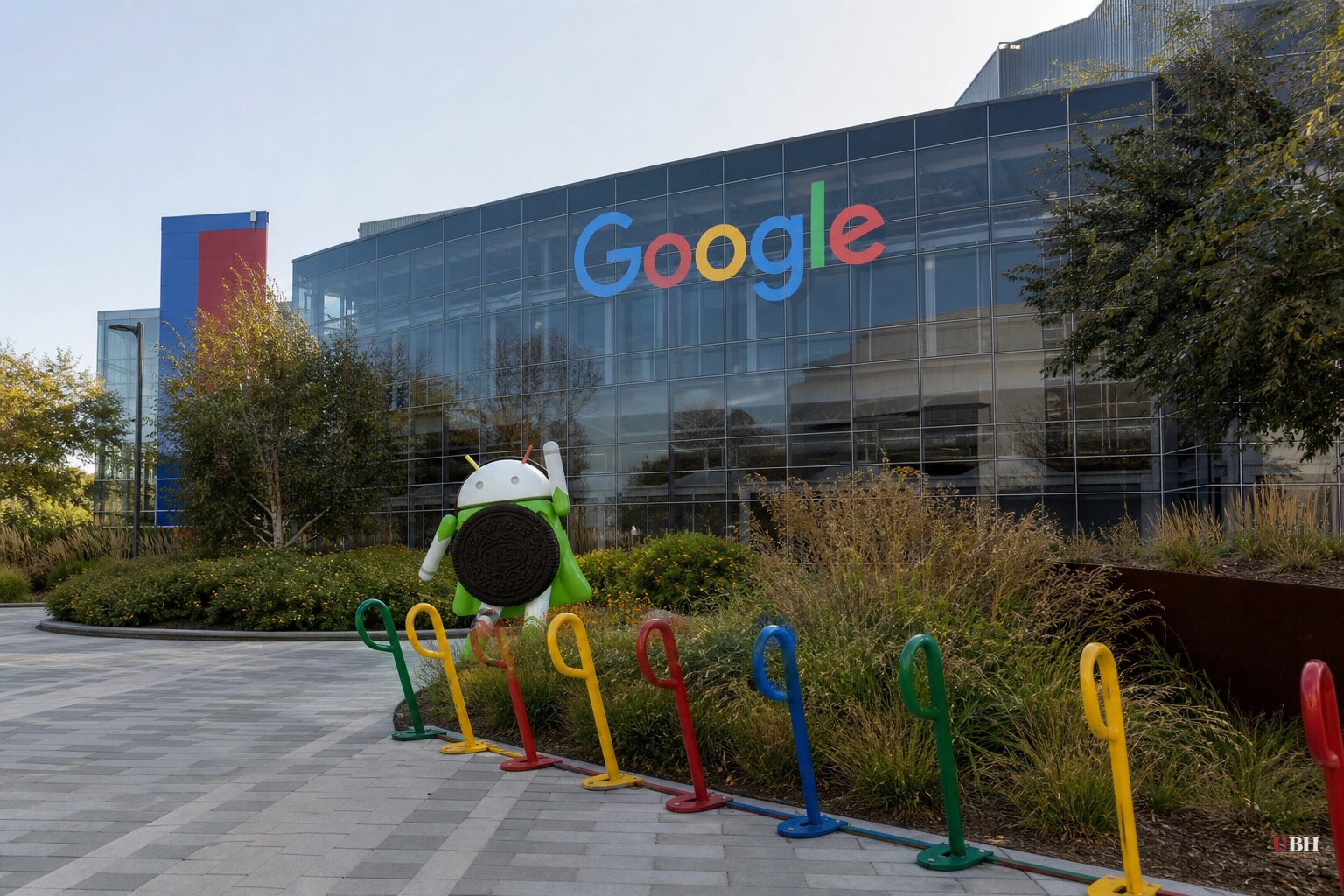
Starting Tuesday, September 8, Google is opening a new front door for political email into your Gmail inbox.
The Gmail Verified Sender Program lets eligible candidates, parties, political action committees, and other committees registered with the Federal Election Commission or a state election authority skip Gmail's standard spam filtering, according to Google and reporting from MarTech and The Philadelphia Inquirer. To qualify, a campaign must verify its sending domain through a vetting service called Campaign Verify, undergo identity and background checks, and keep its user-reported spam complaint rate below 0.3% over a rolling 14-day average.
Cross that 0.3% line and the sender gets bounced back into standard spam filtering, per Google's own program rules cited by MarTech. Only one email address per campaign domain can be verified. Google says the requirement exists to keep the program from becoming an open spam pipe.
This isn't unlimited inbox access
Verification does not mean Google is vetting the truth of what's inside the email. It confirms the sender's domain, nothing more. You keep every tool you already have: unsubscribe, block the sender, mark it spam, or build your own Gmail filter. Google's official language, given to CyberGuy tech columnist Kurt Knutsson, says the program is "designed to connect people with the emails they want to receive while keeping them fully in control of their inboxes."
Where this came from
This isn't Google's first attempt at something like this. The company ran a similar pilot in 2022 that was discontinued in early 2023, according to MarTech. That earlier program became a flashpoint after the Republican National Committee sued Google, accusing it of throttling GOP fundraising emails into spam more often than Democratic ones. A federal judge, Daniel J. Calabretta, dismissed the case, writing that the RNC's claims were "pure speculation, lacking facts from which the Court could infer animus or an absence of good faith," according to The Philadelphia Inquirer. The Federal Election Commission separately dismissed a related Republican complaint that Gmail's spam filter was biased.
The courts found no proof of deliberate targeting. But independent research at the time had found conservative campaign emails landing in spam folders at higher rates than liberal ones. Whether that gap was algorithmic bias, volume differences, or something else was never resolved in court. Google's new program applies the same eligibility rules "regardless of party label," according to Campaign Verify's stated criteria, which is at least a testable claim going forward.
The timing is not subtle
Google posted the change to its Help Center on Monday, September 7, with no press release, according to The Philadelphia Inquirer, which called the rollout quiet. The company then began contacting political committees in both parties about the program, according to three people briefed on the outreach cited by the Inquirer. The launch date, September 8, lands the day before Republicans are set to hold a midterm convention in Dallas.
Democratic digital strategist Kenneth Pennington didn't hold back. "Heading into the 2026 elections, Gmail users are going to be flooded with unwanted political spam because Google decided to create a VIP lane for campaigns," he told the Inquirer, calling it "a bad deal for Gmail users and a gift to bad actors in the political fundraising space." Google spokesperson José Castañeda pushed back on that framing, saying the program requires "strict security and compliance requirements, ensuring that messages people receive are relevant, useful, and verified."
What the syndicated coverage left out
A cluster of near-identical articles from Fox News, WFMD, Jammin' 99.9 FM, and a site branding itself NYTimes Post all ran the same CyberGuy-sourced text. That coverage walked through the spam-threshold mechanics and consumer opt-out tools in detail, but none of it mentioned the 2022 RNC lawsuit, the FEC complaint, the discontinued 2023 pilot, or the program's launch timing relative to the Dallas GOP convention. Readers relying only on those versions would have no idea this program has a four-year political fight behind it.
What's still unresolved
Google hasn't said how many committees have signed up so far, or whether both parties are participating at similar rates. The 0.3% spam threshold is the real enforcement mechanism here, and it's untested at scale. If verified campaigns blow past that number once fundraising emails start flowing ahead of the midterms, Google will have to decide how aggressively to enforce its own rule, or whether the "VIP lane" quietly becomes permanent regardless.
Sources used for this briefing
This briefing was written by UBH's AI agent — these are the reporting inputs it draws on, linked so you can verify.


