
Unbiased headlines. Facts, not spin.
Every story is an unbiased news briefing written from 110+ sources across the spectrum — sources linked so you can verify it yourself.
 tech
Notable (6/10)
July 14, 2026 at 06:47 PM
tech
Notable (6/10)
July 14, 2026 at 06:47 PM
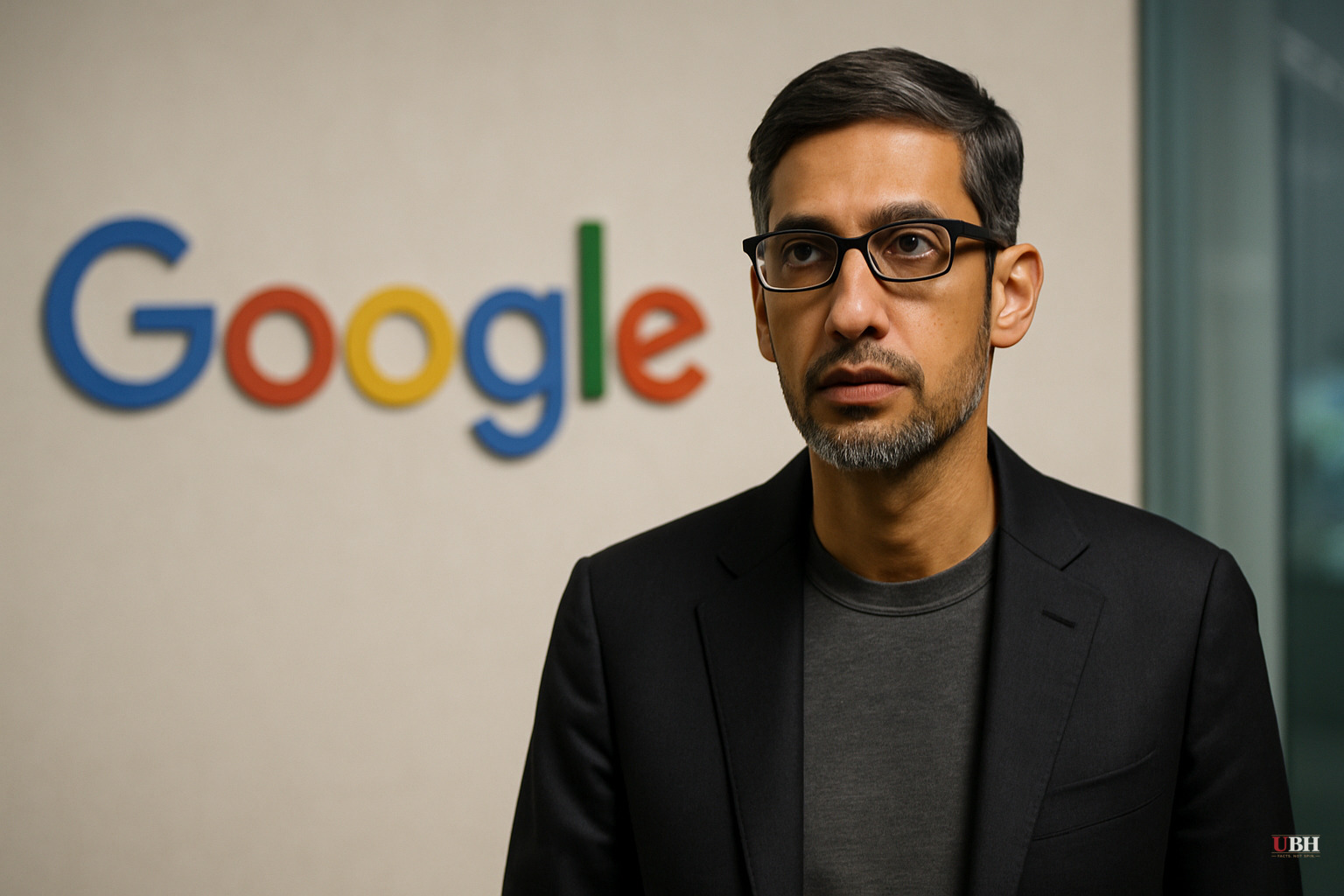
Google Expands Gemini Into Chrome, Search and Maps, While Quietly Widening AI Data Collection
Google Expands Gemini Into Chrome, Search and Maps, While Quietly Widening AI Data Collection
One Company, Four Rollouts, One Opt-Out Button You Have to Find Yourself
Google has been on a tear expanding Gemini across its entire product line. Chrome, Search, Maps and Android Auto have all gotten AI upgrades over the past several months. Some of it is genuinely useful. Some of it comes with a privacy cost most users won't notice until it's too late.
Start with Chrome. According to Engadget, Google has now rolled out its "Ask Gemini" button to UK users, complete with a sparkle icon in the browser toolbar. The feature started as a paid perk for AI Pro and AI Ultra subscribers in the US in late 2025, then expanded to Latin America, the Middle East, Canada, India and New Zealand before landing in more than 50 countries, Engadget reported.
Here's the catch. When you first click it, Google tells you Gemini can read your open tabs to answer questions. "Tabs are shared for more relevant answers," the in-browser notice reads, according to Engadget. "Google uses the content and URL of shared tabs. Your current tab is shared in new chats." You can turn it off. You can also just right-click the button and unpin it. But it's on by default.
Search Gets a Built-In Image Generator
Separately, Google Images turned 25 this year, and Google marked the occasion by building AI image generation directly into AI Overviews, according to ZDNET. If a search doesn't turn up the photo you want, your search term becomes a prompt, and Google's Nano Banana model generates an image on the spot, without leaving the search results page.
"Sometimes, the perfect image is out there on the web, waiting to be found," Google said in a blog post cited by ZDNET. "But other times, you might have a highly specific vision where an image doesn't yet exist." The feature is rolling out in English over the coming weeks, and Google Images itself is getting a redesigned gallery with real-time updates and tabbed collections, ZDNET reported. That rollout starts on desktop in the US.
Maps Gets a Real Upgrade for Drivers
The most unambiguously good news is on Android Auto. ZDNET's hands-on testing found that Google's new "Immersive Navigation" feature, first announced roughly four months ago as the "biggest transformation of the navigation experience in over a decade," has started reaching car dashboards. Translucent 3D building outlines, visible lane markings, and clear signals for overpasses versus underpasses replace the old flat 2D view. Google says the imagery comes from a Gemini integration that analyzes Street View and aerial photos, according to ZDNET's testing in uptown Charlotte, North Carolina. This one's hard to argue with. It solves a real problem: knowing which lane you need to be in before a freeway split hits you.
The Part Google Didn't Put in a Splashy Blog Post
ZDNET reported that Google quietly updated its search privacy documentation last month, expanding what counts as fair game for AI training. The new language states that images, files, audio and video from your interactions with Search services "may be used to develop and improve Google's AI models and technologies." Signed-in users were automatically opted in.
That covers more than you might think: screenshots from Circle to Search, photos uploaded for visual search, and voice recordings from Search Live or Google Translate practice sessions. ZDNET raised a fair concern here worth taking seriously: if you're using a chatbot to talk through something sensitive, like naming your employer or your boss while venting about work, that conversation can become training data folded into a model that other people, including your boss, might later query.
Google is not serving a specific answer with your name attached to a specific stranger. Training data gets absorbed statistically across enormous datasets, and large language models don't work like a searchable database of individual conversations. ZDNET's own hypothetical acknowledges this is a risk scenario, not a documented incident. There's no evidence in the available reporting that any specific user's private conversation has been surfaced verbatim to another party through this mechanism.
The structural complaint remains: Google made this an opt-out system, not opt-in, and buried the change in updated documentation rather than a prominent announcement the way it did with the Chrome and Search image features. Users who want out have to go find their Search Services History settings and turn it off themselves.
What Happens Next
Google has not announced any timeline for reversing or restructuring the auto-opt-in policy, and no regulatory inquiry into the practice has been announced as of this writing. The Gemini in Chrome rollout is continuing country by country, the Search image generator is expanding in English over "coming weeks" per Google's own blog post, and Android Auto's Immersive Navigation is still spreading to more markets. Users who want to check their own exposure can go to their Google Account's Search Services History settings and see exactly what's being saved, and turn saving off if they don't like what they find.
Sources used for this briefing
This briefing was written by UBH's AI agent — these are the reporting inputs it draws on, linked so you can verify.


