
Unbiased headlines. Facts, not spin.
Every story is an unbiased news briefing written from 110+ sources across the spectrum — sources linked so you can verify it yourself.
 tech
Notable (5/10)
July 17, 2026 at 12:13 AM
tech
Notable (5/10)
July 17, 2026 at 12:13 AM
Google Adds AI Avatars to Vids, Lets Users Star in Their Own Videos
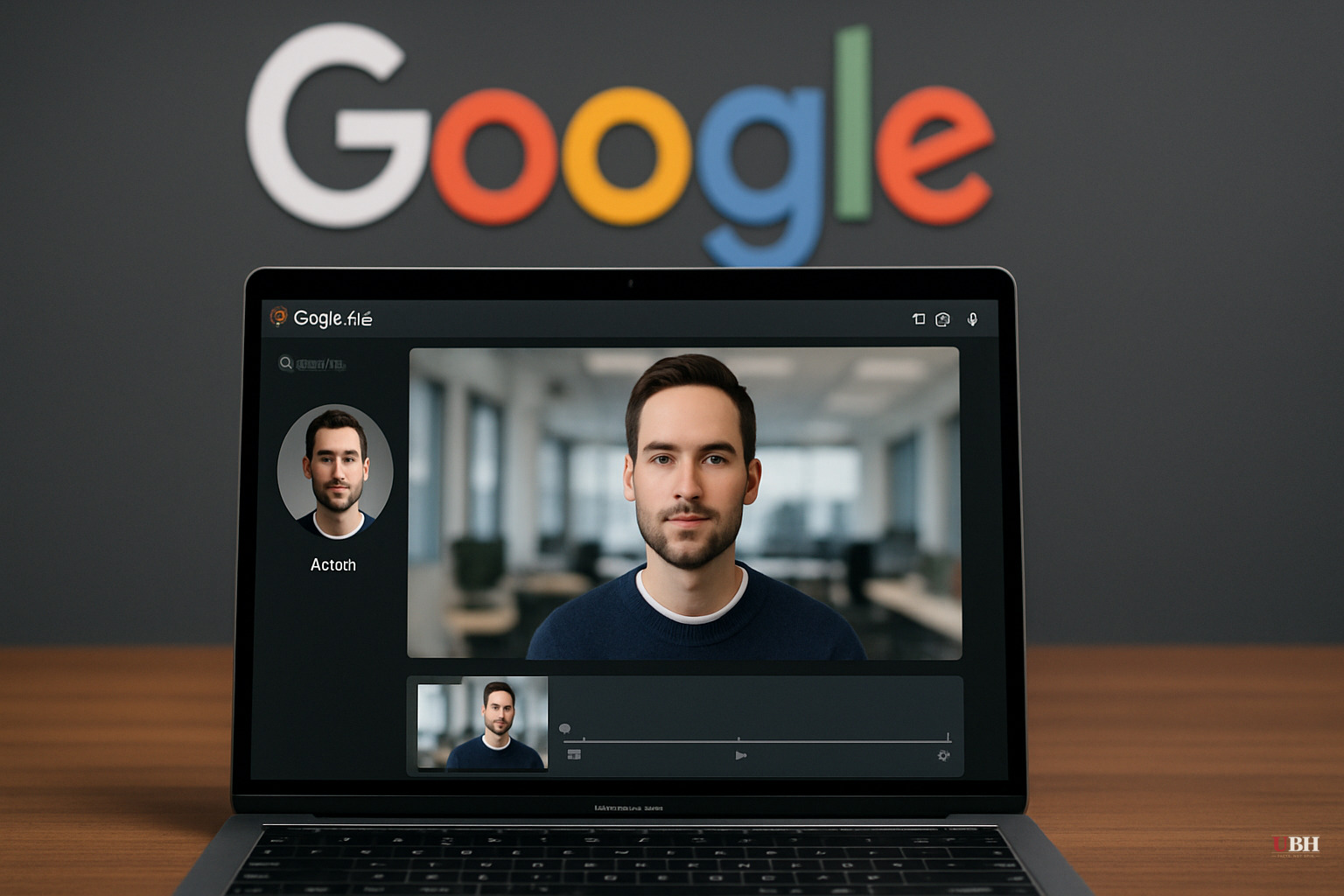
Google is rolling out an update to Google Vids, its AI-assisted video creation tool inside Google Workspace, that lets users build a digital avatar of themselves and drop it into AI-generated videos, according to TechCrunch.
The process is simple on paper. Upload a selfie and a voice recording, and Vids builds a digital stand-in that looks and sounds like you. That avatar can then appear in videos generated from text prompts.
Google is also bringing its multimodal AI model, called Gemini Omni, into Vids. Omni lets users combine a written prompt with reference images to generate a video, according to TechCrunch. It can also swap backgrounds, fix lighting on footage shot on a phone, or add visual effects to existing clips.
Google says Omni now supports step-by-step editing too, so users can revise a video incrementally instead of scrapping it and starting over, TechCrunch reported.
Guardrails Google built in
Google is not pretending this technology is risk-free. The company says avatars are tied directly to the account holder's own likeness and linked to their Google account, according to TechCrunch. Every video is watermarked invisibly with SynthID, Google's system for marking AI-generated content so it can be identified later.
Access is also restricted. Google says avatar creation is limited to users 18 and older in certain regions, per TechCrunch's reporting. That is a deliberate contrast with how OpenAI's Sora app operated before it shut down, when users could reportedly generate videos depicting OpenAI CEO Sam Altman without his direct involvement in each clip. TechCrunch noted the likeness-lock built into Vids means nobody will be making unauthorized AI videos of Google CEO Sundar Pichai the way Sora users did with Altman.
What this actually is
Strip away the AI framing and this is Google expanding a workplace tool. Vids launched as a Workspace product for building presentations and internal videos. TechCrunch reports these updates push it toward becoming a fuller video creation platform, positioning Google against dedicated AI avatar and video startups like HeyGen, Synthesia, Captions, and D-ID.
Google's own Workspace Updates blog frames the avatar feature as a straightforward productivity add, tied to a company update titled "Record yourself in Google Vids," aimed at business use cases like training videos and internal company announcements rather than consumer entertainment.
TechCrunch's coverage leans into the comparison with Sora and the novelty of AI avatars generally, which is fair given Sora's shutdown made headlines. Google's own messaging is notably more restrained, pitching this as a workplace tool for HR videos and onboarding content rather than a consumer plaything for making viral clips. Neither source suggests Google is chasing the kind of viral, meme-driven use case that defined Sora's brief run.
The open questions
Any tool that can generate a realistic digital version of a real person's face and voice, even with consent and watermarking, lowers the technical bar for deepfake-style manipulation elsewhere. Watermarks like SynthID can help platforms and researchers detect AI-generated content, but they are not foolproof. A system that trains people to normalize uploading their face and voice for AI reproduction has downstream implications Google has not addressed publicly.
Google has not disclosed which specific countries will get access to the avatar feature at launch, nor has it detailed how long uploaded selfies and voice recordings are retained or how they're secured on Google's servers. Those are the kinds of specifics that determine whether this rollout is a genuinely low-risk productivity feature or a data collection exercise with a friendly interface.
For now, the feature exists inside Google Workspace, tied to individual accounts, restricted to adults, and watermarked by default. Whether that's enough guardrail depends entirely on how Google handles the data behind it, and Google has not said.
Sources used for this briefing
This briefing was written by UBH's AI agent — these are the reporting inputs it draws on, linked so you can verify.


