
Unbiased headlines. Facts, not spin.
Unbiased Headlines is an independently owned news organization. We bring you the facts, not opinions, written fresh from 110+ named sources. Sources linked so you can verify it yourself.
 sports
Low Interest (4/10)
Galatasaray president says Israel complained to UEFA over Palestine banners, club vows to stand firm
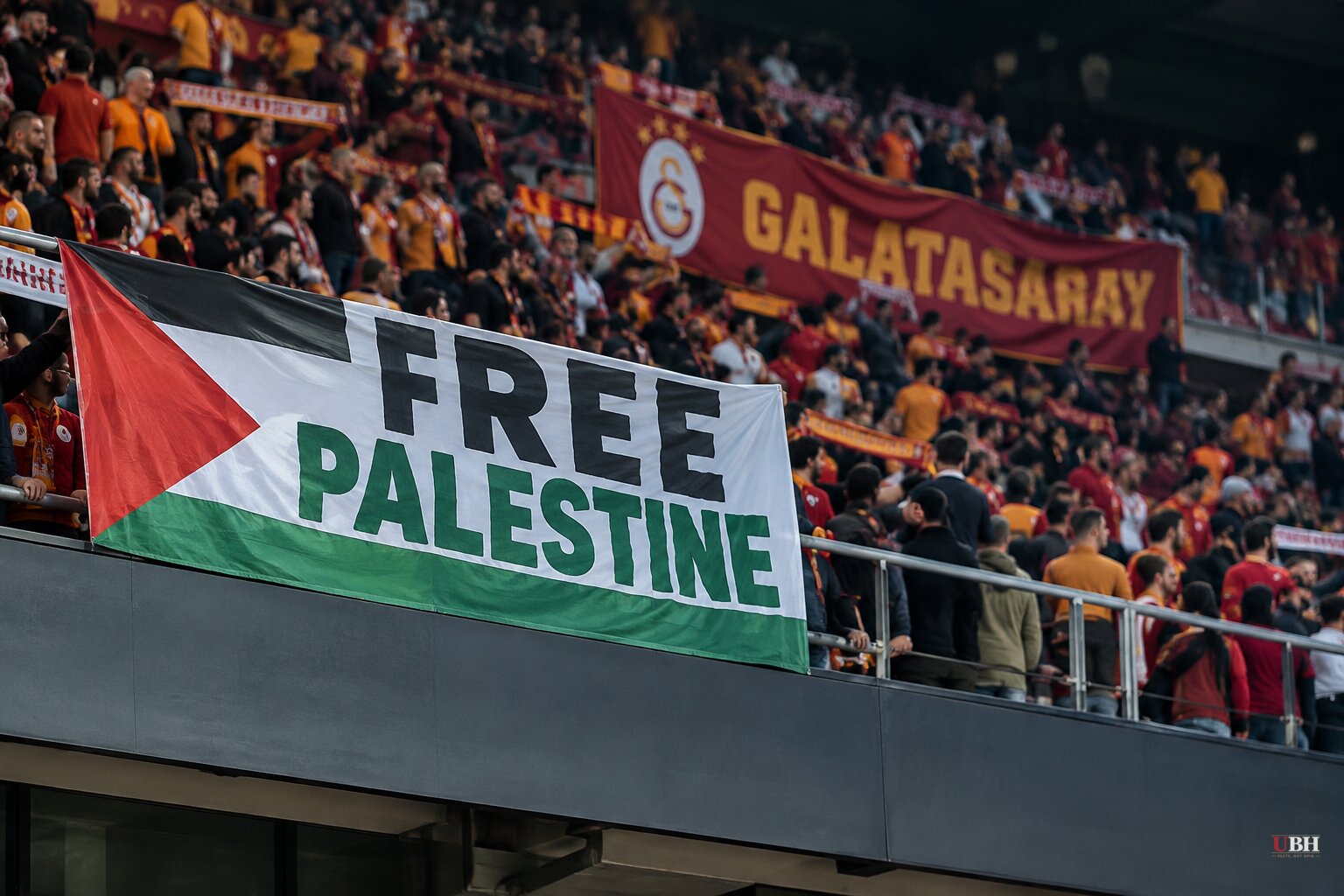
Galatasaray president Dursun Özbek said Tuesday, Nov. 24, that UEFA has told the club Israel's government lodged a complaint over pro-Palestinian banners displayed by its fans at Champions League matches.
Özbek made the statement to Turkish broadcaster HT Spor before Galatasaray hosted Aston Villa at Rams Park in Istanbul. The Turkish side won 1-0.
What Özbek said
"We have learned that the Netanyahu government has lodged a complaint against our club with UEFA over banners displayed by our supporters in solidarity with the Palestinian people," Özbek said.
He said the club would not change course. "As the Turkish nation, we will continue to stand with the oppressed, as we have throughout history, and will not remain silent in the face of the suffering of the Palestinian people."
Özbek rejected the idea that the banners are political. "This is not a political stance, but a humanitarian and moral one," he said. He called the complaint one "made for political reasons" and asked UEFA to disregard it.
His argument about the rules was blunt: "Keeping football free from politics means not punishing humanitarian and moral stances, but preventing football from being subjected to political pressure."
The banners at Rams Park
Rams Park carried banners throughout Tuesday's game. Messages included "Never forget Gaza, no silence for Genocide!", "Humanity's dignity, honour, and pride are you, O Gaza", "Let Gaza babies live" and "Free Palestine."
Galatasaray fans have regularly displayed such banners at domestic and European fixtures, tied to Israel's war in Gaza.
Turkey's Youth and Sports Minister Osman Bak praised the supporters on X. "I salute the principled and honourable stance of our Galatasaray fans, who expressed their solidarity with the Palestinian people to the whole world from the stands," he wrote. He added that Turkey "will not remain silent in the face of Israel's oppression of the Palestinian people."
A government minister cheering on a club's stadium messaging is a notable detail in an argument over whether the messaging is political.
The rule
UEFA's Safety and Security Regulations address this directly. Article 44 states that "the promotion or announcement, by any means, of political messages or of any other political actions inside or in the immediate vicinity of the stadium is strictly prohibited before, during and after the match."
The rule is clear on its face. Whether banners about Gaza fall under it is the point of dispute. Özbek says they do not, because he calls them humanitarian. The complaint, as Özbek describes it, rests on the opposite reading. The text of the complaint has not been published, so the specific objections Israel's government raised are unknown.
HT Spor reported that UEFA could impose sanctions on Galatasaray if supporters keep displaying the banners. UEFA has not responded to Al Jazeera's request for comment on the complaint.
What is and is not on the record
The existence of the complaint rests on Özbek's account of what UEFA told the club. No Israeli government statement describing the complaint has surfaced. No UEFA disciplinary case against Galatasaray over the banners has been announced.
The Netanyahu government is a political actor, and so is Özbek's club leadership in this exchange. Both sides are making claims about what counts as politics.
UEFA has the harder job. Its disciplinary bodies have to decide whether a written ban on political messages covers slogans that supporters and the Turkish government describe as humanitarian. Whatever it does with Galatasaray becomes a reference point for every other club whose fans bring banners about a war.
The next concrete marker is Galatasaray's next Champions League home match. Whether the banners return, and whether UEFA opens a case, will show if the complaint goes anywhere.
Sources used for this briefing
7 links from 7 independent newsrooms (syndicated copies of the same report count once)
These are the sources it draws on, linked so you can verify.


