
Unbiased headlines. Facts, not spin.
Unbiased Headlines is an independently owned news organization. We bring you the facts, not opinions, written fresh from 110+ named sources. Sources linked so you can verify it yourself.
 sports
Notable (5/10)
LAPD Chief Says Policing the 2028 Olympics Could Approach $4 Billion. Who Pays Is Unsettled
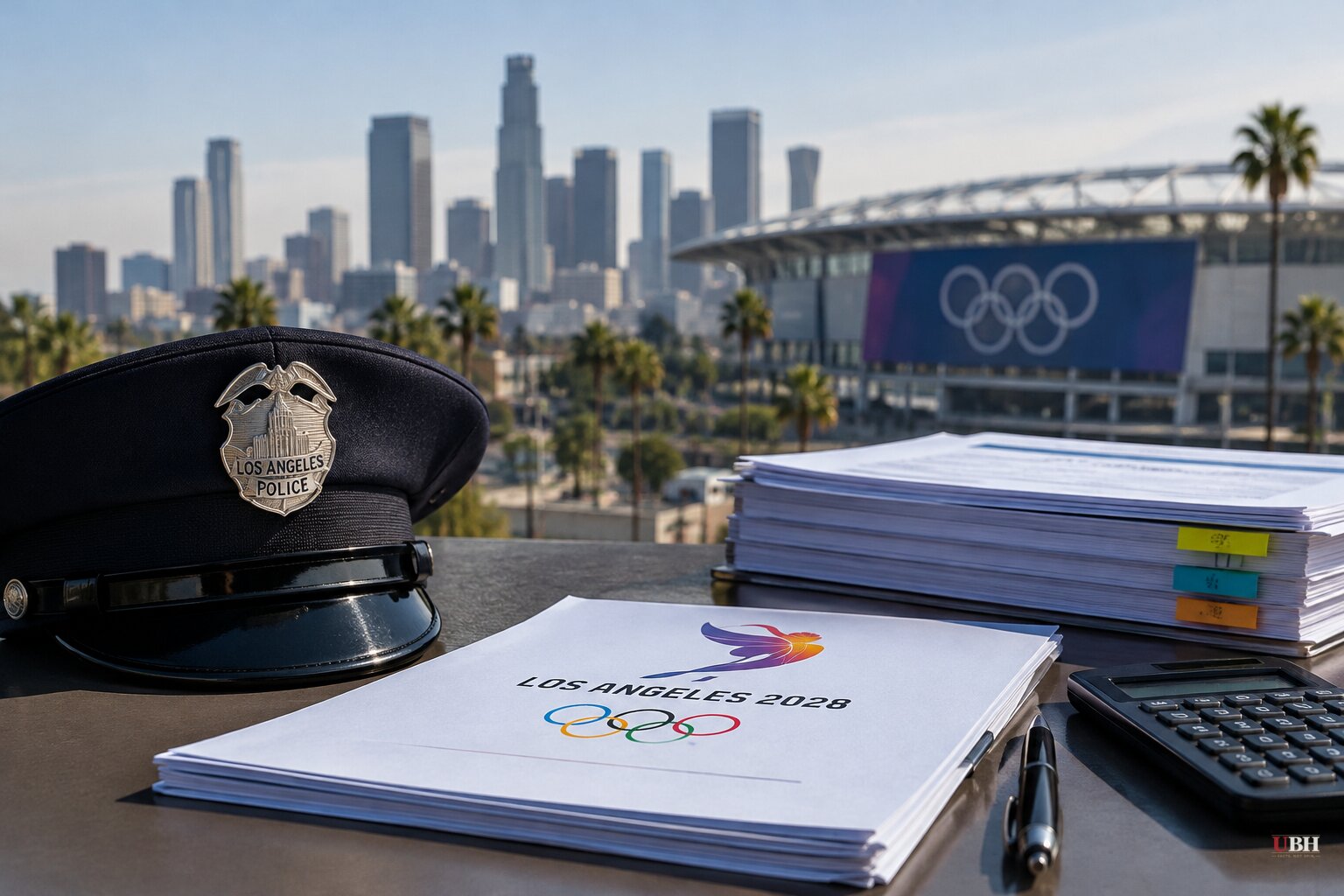
Los Angeles Police Chief Jim McDonnell says the cost of policing the 2028 Summer Olympics could approach $4 billion. That is far above previous estimates, and no one has said who will pay the difference.
The federal government will cover some costs. The amount has not been specified, and neither has anything the Trump White House might ask for in return.
A new mayor with doubts
The bill lands as City Hall changes hands. Incoming Mayor Nithya Raman once had doubts about bringing the Olympics to Los Angeles. She has also signaled doubts about McDonnell himself.
That puts the city's top cop and its next mayor on uneasy terms just as the largest security expense in the Games' planning comes into view. McDonnell's figure is his own projection, and the city has not announced a funding plan to match it.
The last time L.A. hosted
The 1984 Games are remembered as a celebration of corporate sponsorship, patriotism and, for two weeks, no freeway gridlock. Peter Ueberroth, who ran the L.A. organizing committee, remembered a different mood.
On the final morning of the Games, he wrote in his memoir "Made in America," he was consumed by worry. "We had been lucky to avoid a terrorist attack until now," he wrote. He prayed the luck would hold, and saw the same thought in his wife Ginny's face.
That was 17 years before 9/11. The fear was already driving decisions. Planners were haunted by the 1972 Munich Olympics, where a terror attack killed 11 Israeli athletes.
Chasing threats, real and doubtful
The 1984 effort turned up plenty of warnings. Not all held together.
Then-LAPD Chief Daryl Gates claimed a possible Soviet plot to slip criminals and terrorists into Los Angeles disguised as Russian Jewish immigrants. According to the Los Angeles Times' Ken Reich, who covered it at the time, few people gave the claim much credibility. Gates eventually walked it back.
The Los Angeles County Sheriff's Department floated its own warning: rival gangs might declare a temporary truce and turn on tourists. That one also fizzled.
Cold War politics colored the assessments. Some hawks believed the Soviet Union, which boycotted the Games, would try to disrupt them. Nothing of the kind happened. Ueberroth still spent the Olympics, in his words, dreading the call.
What 1984 does and does not tell us
The comparison has limits. Security in 1984 cannot be set against what the city will need in 2028. It is a different world and a different city.
What carries over is the argument itself. In 1984, as now, the fights were over policing levels, costs and how to separate a genuine threat from a rumor with a political edge. Both sides of that argument had a case. Law enforcement leaders said the threats could not be ignored. Their own track record showed some of the most dramatic warnings collapsed under scrutiny.
The stakes in 2028 are also fiscal. Nearly $4 billion is a large public commitment, and Los Angeles taxpayers, federal taxpayers or both will carry it. A figure that size invites the same question the 1984 planners faced: what does each dollar buy in actual safety?
What remains open
McDonnell's number is the most concrete marker yet for the Games' security burden, but it is an estimate, and the earlier figures it replaces were far lower. The size of the federal contribution has not been spelled out. Whether Raman backs McDonnell's budget, trims it or replaces the chief is unanswered.
Until the city and Washington settle who writes the check, the question of who pays for keeping the 2028 Games safe has no answer.
Sources used for this briefing
1 link from 1 independent newsroom (syndicated copies of the same report count once)
These are the sources it draws on, linked so you can verify.


