
Unbiased headlines. Facts, not spin.
Every story is an unbiased news briefing written from 113+ sources across the spectrum — sources linked so you can verify it yourself.
 sports
Low Interest (3/10)
September 24, 2026 at 03:14 PM
sports
Low Interest (3/10)
September 24, 2026 at 03:14 PM
Francesca Lollobrigida Broke an Olympic Speed Skating Record 18 Months After Giving Birth
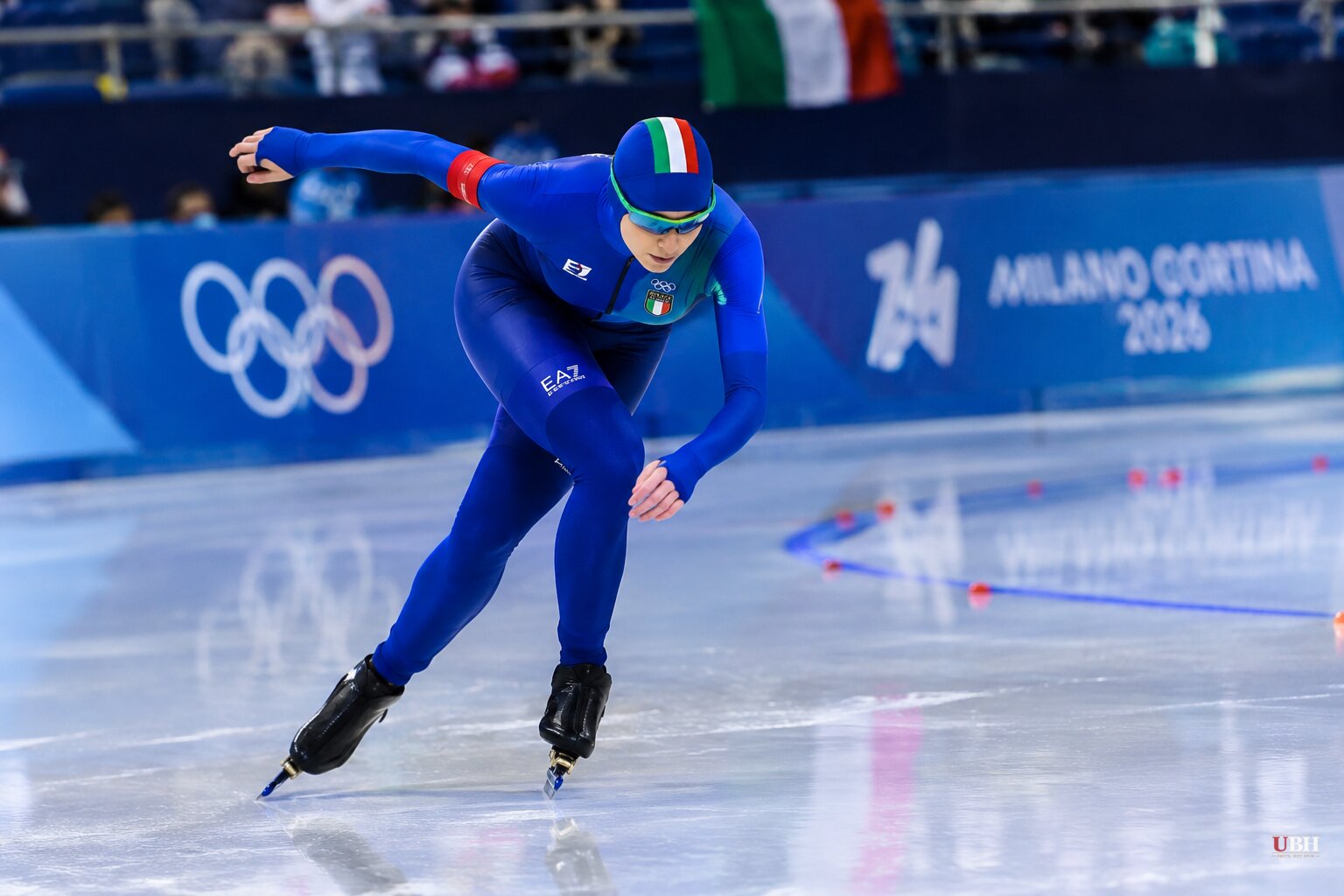
Francesca Lollobrigida turned her 35th birthday into the biggest day of her career.
On February 7, 2026, the Italian speed skater won gold in the women's 3,000 meters at the Milano Cortina Winter Olympics, racing in front of a home crowd on Italian ice. She crossed the line in 3 minutes, 54.28 seconds.
That time broke the Olympic record of 3:56.93, set by Dutch skater Irene Schouten at the 2022 Beijing Games, according to the Times of India. Lollobrigida beat Norway's Ragne Wiklund, who took silver in 3:56.54, by more than two seconds. Canada's Valérie Maltais finished third.
The win made Lollobrigida the first Italian woman to win an Olympic gold medal in speed skating. It was also Italy's first gold of the 2026 Winter Games, setting off celebrations among the home fans packed into the venue.
Lollobrigida had given birth roughly 18 months before the race, according to the Times of India. She trained through pregnancy recovery, rebuilt her conditioning, and returned to elite competition well enough to break an Olympic record set by one of the sport's most decorated skaters.
After crossing the finish line, Lollobrigida skated off to find her toddler and pulled him into her arms, according to the Times of India's account of the celebration. For an athlete who had already collected silver and bronze medals at the 2022 Beijing Games, this was a different kind of finish. She came back to the Olympics with a new life outside the rink and delivered the best race of her career anyway.
A Career Built Over Three Olympics
Lollobrigida's path to gold didn't happen overnight. She medaled in Beijing in 2022, then stepped away from full-time competition to have her son. Returning to world-class speed skating after childbirth is not simple. Elite skaters lose months of high-intensity training during pregnancy and recovery, and rebuilding the explosive strength and endurance needed for a 3,000-meter race takes time most competitors don't have to spare in an Olympic cycle.
She had that time, and she used it. By February 2026, she wasn't just back in form. She was faster than she had ever been, faster than an Olympic record that had stood since Beijing.
Stories like this tend to get framed as a triumph of motherhood over athletic decline, and there's truth in that. Lollobrigida's result is a data point, not proof of a trend. Plenty of elite female athletes have returned from childbirth to compete at a high level, and plenty of others have found the physical toll too steep to overcome. Her Olympic record doesn't erase the real tradeoffs postpartum athletes face. It shows what's possible when the training, recovery, and timing all line up.
What's not in dispute is the result itself. Lollobrigida's 3:54.28 is now the Olympic standard in the women's 3,000 meters, and it will stand as the mark for the next generation of skaters to chase, likely starting at the 2030 Winter Games. Whether she defends that record in four years, at age 39, is the open question her home country will be watching for next.
Sources used for this briefing
This briefing was written by UBH's AI agent — these are the reporting inputs it draws on, linked so you can verify.


