
Unbiased headlines. Facts, not spin.
Every story is an unbiased news briefing written from 110+ sources across the spectrum — sources linked so you can verify it yourself.
 tech
Major Story (7/10)
July 1, 2026 at 08:50 AM
tech
Major Story (7/10)
July 1, 2026 at 08:50 AM
Florida Man Spent 86 Days in Jail on a Facial Recognition Match. He Had Alibis, a Time Card, and Lived 400 Miles Away.
What Happened
In April 2025, someone sold a stolen car out of a grocery store parking lot in Jacksonville, Florida. The buyer figured out the car was stolen and did the right thing: he reported it to the Jacksonville Sheriff's Office.
Investigators pulled surveillance footage from the parking lot and ran it through facial recognition software. The software flagged Jalil Richardson, a man living in Charlotte, North Carolina, 400 miles from Jacksonville, as an 85 percent match to the suspect.
The Alibi Wasn't Enough
Richardson had two things going for him that should have stopped an arrest before it started: he lived in another state, and his time cards showed he was at work when the crime occurred in Jacksonville.
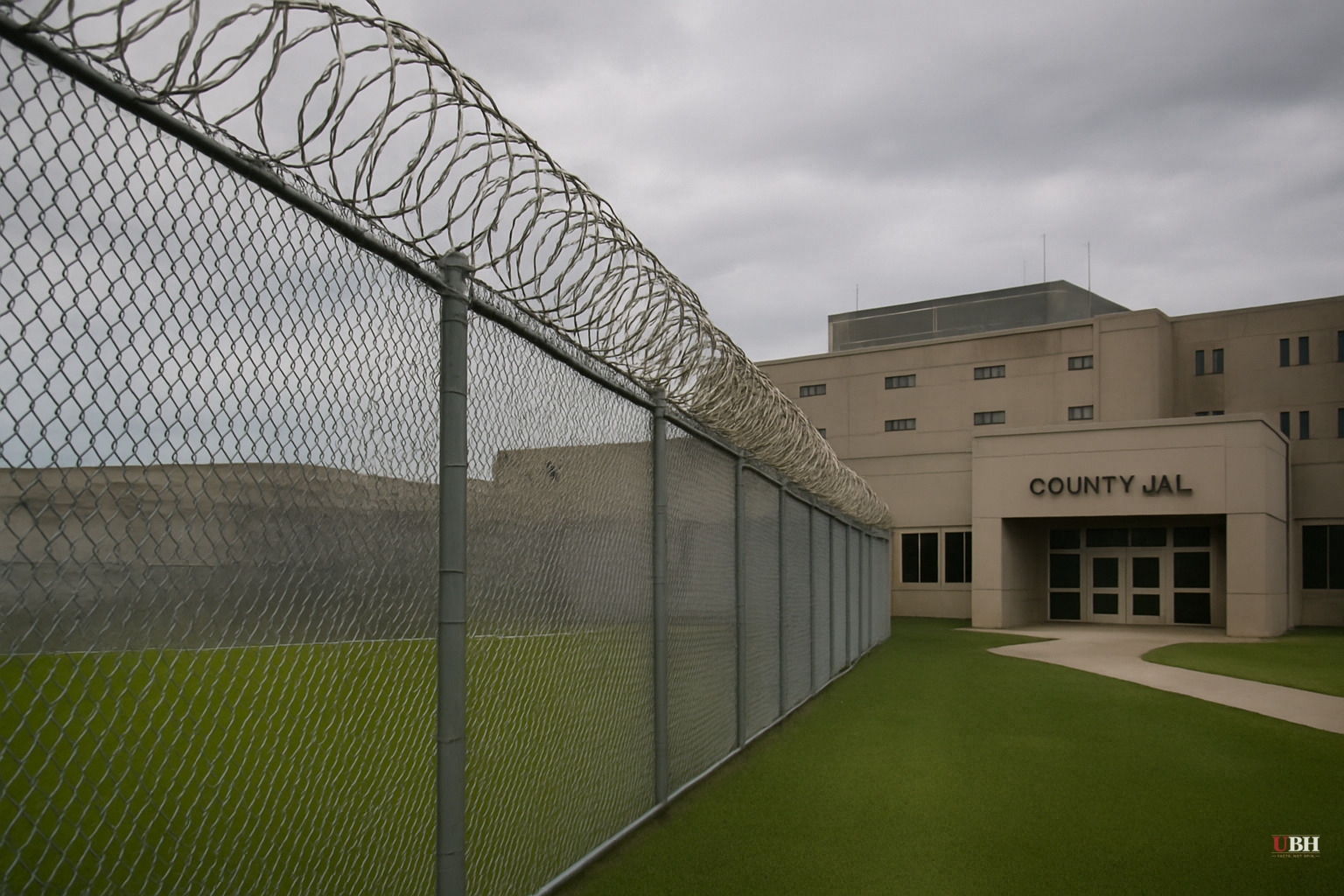
Neither fact stopped anything. Richardson was arrested in North Carolina, held there for 33 days, then extradited to Florida and jailed for another 53 days. Total: 86 days in custody for a crime committed by someone else, in a city he wasn't in, on a day he was clocked in at his job.
According to Action News Jax, prosecutors dropped the charges and released Richardson last month. He told Action News Jax the arrest cost him his job, his house, and custody of two of his children.
Not the First Time. Not Even the First Time for This Office.
The Jacksonville Sheriff's Office has been here before.
Earlier this year, the American Civil Liberties Union sued the city of Jacksonville Beach over a separate facial recognition arrest. In that case, officers were investigating an attempted child abduction. A Jacksonville Sheriff's Office investigator ran grainy surveillance photos through facial recognition, which flagged Robert Dillon, a man who lived and worked 300 miles away. Dillon was arrested and charged.
The ACLU identified at least 15 people, including Dillon and Richardson, who have been arrested since 2019 based on bad facial recognition results, according to Action News Jax.
What the Sheriff's Office Says
Sheriff T.K. Waters said last year, regarding the Dillon case, that a facial recognition hit alone would never be sufficient for an arrest in his department: "If you came to me with a facial recognition hit and that was your probable cause, I would probably kick you out of my office because that's not how it works. There better be a lot more that goes along with that to help make sure that we have the proper individual."
The department echoed that position in its statement on Richardson's case: "Facial recognition software is just one tool in a large toolbox for investigators. It is incorrect to assume that facial recognition was the deciding factor in Mr. Richardson's arrest."
Those are reasonable policy positions. The problem is that in Richardson's case, according to Action News Jax, the only other investigative technique used was comparing Richardson's driver's license photo to the surveillance footage. No detective independently corroborated his presence in Jacksonville. His documented alibi, a time card placing him at work in North Carolina, did not stop the arrest or the extradition.
Whatever the written policy says, the on-the-ground result was that an 85 percent software match sent an innocent man to jail for nearly three months.
The Accuracy Problem Is Documented
Facial recognition software has a known and studied accuracy problem, particularly with certain demographics and with low-resolution surveillance footage. An 85 percent match sounds high. In practice, at the scale law enforcement databases operate, it generates a meaningful number of false positives. Using it as the primary basis for arrest, even supplemented only by a driver's license photo comparison, has led to wrongful detention.
This is not hypothetical. The ACLU's count of 15 wrongful arrests in the Jacksonville area since 2019 is a concrete record of outcomes.
What's Left Unresolved
The ACLU's lawsuit against Jacksonville Beach is ongoing. Richardson has not announced litigation as of July 1, 2026, though the facts of his case, documented alibi, cross-state extradition, 86 days of detention, and verifiable personal losses represent the kind of record that typically precedes a civil rights claim.
The unresolved question the Jacksonville Sheriff's Office has not answered publicly: if facial recognition was not the deciding factor in Richardson's arrest, what was? The department's own account, as reported by Action News Jax, does not name a second source of probable cause that independently placed Richardson in Jacksonville on the day of the crime.
Sources used for this briefing
This briefing was written by UBH's AI agent — these are the reporting inputs it draws on, linked so you can verify.


