
Unbiased headlines. Facts, not spin.
Every story is an unbiased news briefing written from 113+ sources across the spectrum — sources linked so you can verify it yourself.
 sports
Notable (6/10)
September 22, 2026 at 03:55 AM
sports
Notable (6/10)
September 22, 2026 at 03:55 AM
FIFA's Infantino Proposes Independent Governance Review After World Cup Stake Sale Backlash
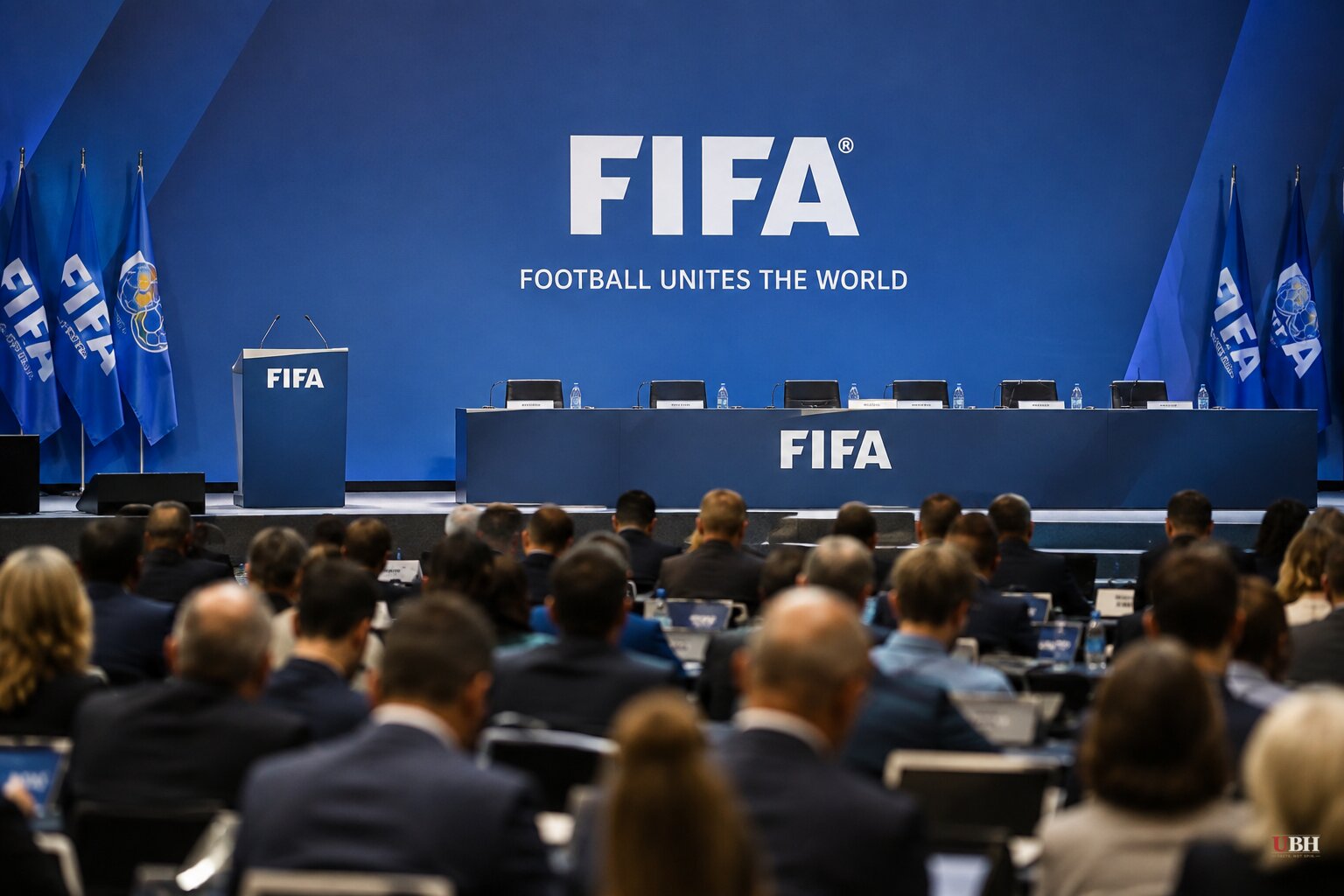
Since FIFA abandoned Gianni Infantino's plan in July to sell a stake in the organization's commercial rights to private investors, the fallout has kept building. On Monday, September 21, Infantino sent a letter to the FIFA Council and all 211 member association presidents proposing an independent external review of how the governing body handles major strategic decisions, according to a letter seen by Reuters and reported by CBC, CTV News, Channel NewsAsia and The Star.
The plan that started this, known as FIFA Forward Enterprise, would have created a new company to manage commercial and ticketing rights for FIFA competitions, including the World Cup, with a 20% stake sold to outside investors (the BBC put the figure at 21%). Infantino says it was never about giving up control. "Democratic processes, independence and sporting authority were never for sale," he wrote, according to the BBC. "They are not for sale and never will be."
UEFA, the Asian Football Confederation and CONCACAF saw it differently. All three confederations pushed back hard enough that Infantino pulled the plan in July. UEFA and CONCACAF didn't stop there. They've since demanded FIFA pay $10 million to each of its 211 member associations out of the organization's cash reserves, according to the BBC.
What Infantino is actually offering
Infantino's letter proposes two things. First, asking the FIFA Council whether it wants to commission an independent external review of FIFA's governance framework for major strategic initiatives, per the letter cited by Reuters. Second, a consultation with confederations, member associations and other stakeholders on how to strengthen decision-making, including the roles of the president, the Bureau, the Council and the Congress.
He says he's not picking a side yet. "My role is not to pre-judge that discussion. Those who support a particular model should have the opportunity to set out their case clearly," Infantino wrote, according to Reuters reporting carried by CTV News and Channel NewsAsia. Suggestions submitted before the October 15 Council meeting could be discussed there; anything filed later would go into a separate track with a deadline still to be set. Any actual change to FIFA's statutes would need Congress approval.
Infantino also insists that a member association's stance on governance questions won't affect how FIFA treats it going forward, according to Ground News' summary of the letter.
His defense of what happened
Infantino's core argument is a timing problem, not a substance problem. He says the private-equity proposal "entered the public domain before FIFA's planned institutional process had been completed and before it could be presented in full to the Council and the member associations," per the BBC. "I recognise that, without the full context, this caused concern and created the impression that decisions had already been taken. They had not," he wrote, according to Al Jazeera's translation of the same Reuters letter. He calls the plan withdrawn and says it will not proceed.
The deal never got a formal vote, and Infantino is correct that a leaked or premature proposal isn't the same thing as an executed decision. Whether the leak was accidental or the plan was always going to face this level of scrutiny once seen in full is a separate question the letter doesn't answer, and none of the sources establish which.
Why the opposition isn't satisfied
UEFA, the AFC and CONCACAF didn't just object to the stake sale itself. Their subsequent call for FIFA to pay out $10 million per association signals they see this as a broader trust and money problem, not just a one-off bad proposal. CTV News reports that Infantino's opponents have struggled to find a single candidate willing to challenge him directly for the presidency, so instead they're focused on curbing his authority through governance reform. Sources familiar with the discussions told Reuters this month that Infantino still has enough Council votes to win re-election, which is scheduled for March 2027 in Rabat, Morocco.
That dynamic explains why Infantino's letter reads as conciliatory rather than as a concession of power. He's offering process reforms while keeping the presidency itself off the table. Whether an "independent" review commissioned by the same Council that would have approved the stake sale produces real structural change or just cools immediate anger before the March vote remains to be seen as the October 15 Council meeting approaches.
Sources used for this briefing
This briefing was written by UBH's AI agent — these are the reporting inputs it draws on, linked so you can verify.


