
Unbiased headlines. Facts, not spin.
Every story is an unbiased news briefing written from 110+ sources across the spectrum — sources linked so you can verify it yourself.
 politics
Major Story (7/10)
June 22, 2026 at 07:30 PM
politics
Major Story (7/10)
June 22, 2026 at 07:30 PM
Federal Judge Quashes DOJ Subpoenas Against Minnesota Officials, Ruling They Were Retaliatory and Unlawful
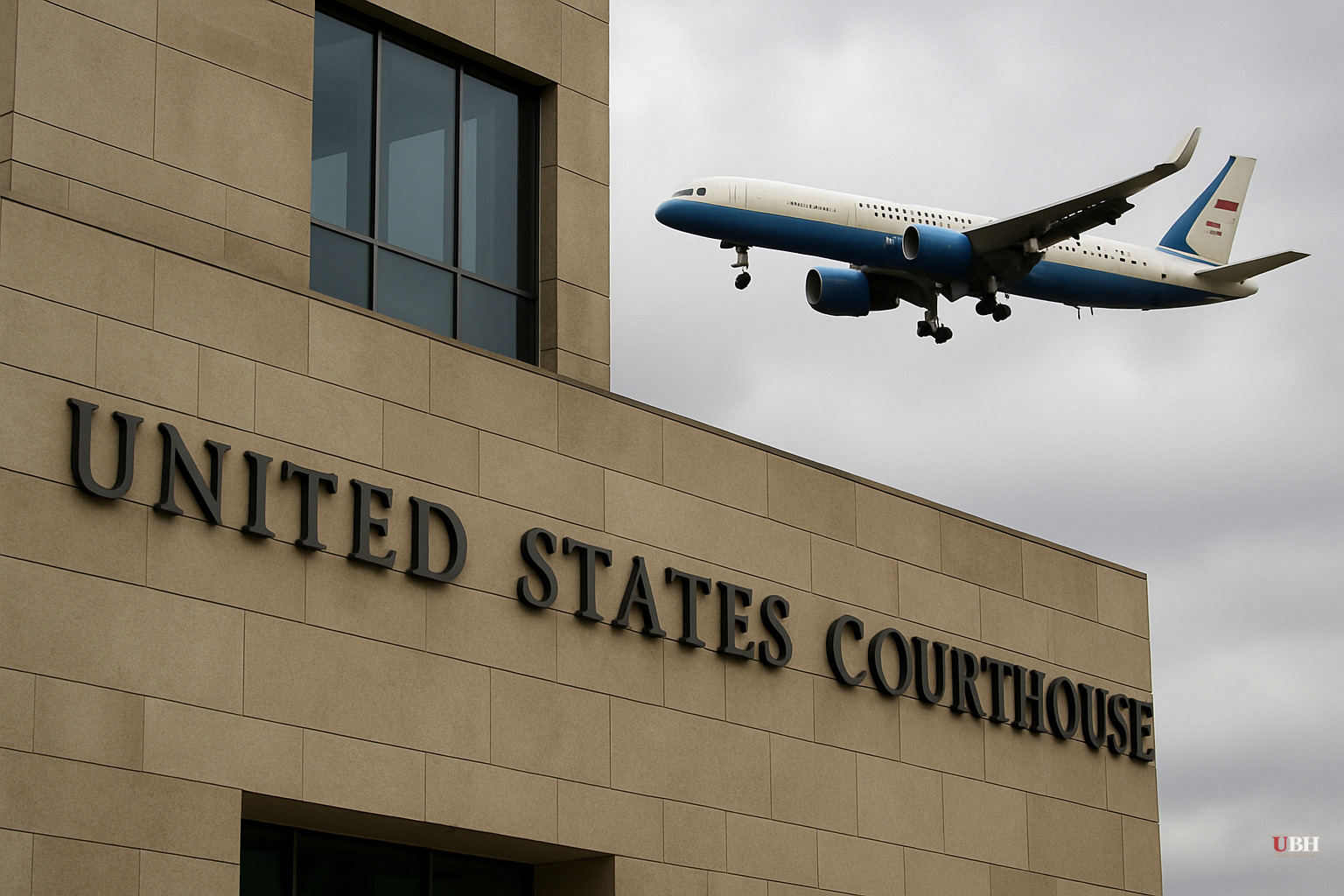
Since Operation Metro Surge triggered a legal battle between the Trump administration and Minnesota officials in January 2026, the dispute has escalated from protests and street-level confrontations to a federal court ruling that the Justice Department itself broke the law.
What the Judge Found
U.S. District Judge Patrick Schiltz, sitting in the District of Minnesota, unsealed his order on Monday, June 22. His findings were blunt.
According to CBS News, Schiltz ruled that the DOJ issued the subpoenas specifically to coerce Minnesota officials into cooperating with immigration enforcement after those officials filed suit to block Operation Metro Surge. The judge wrote that using grand jury proceedings to pressure political opponents into taking official action they cannot legally be required to take is "a blatantly unlawful and unethical use of the grand-jury process."
The judge did not hedge. "The Court has no doubt that they were," he wrote, referring to the forbidden purposes behind the subpoenas.
Schiltz also found the connection between the demanded records and any actual criminal violation was "extremely weak to nonexistent," according to PBS. The materials sought "largely if not entirely relate to constitutionally protected conduct," he wrote.
Schiltz was appointed to the federal bench by Republican President George W. Bush, according to The Guardian.
Who Got Subpoenaed
The six subpoenas, served in January 2026, targeted Gov. Tim Walz's office, Attorney General Keith Ellison, Minneapolis Mayor Jacob Frey, St. Paul Mayor Kaohly Her, the Ramsey County Board of Commissioners, and the Hennepin County Board of Commissioners, according to CBS News. The DOJ said it was investigating whether those officials obstructed or impeded federal immigration enforcement.
The backdrop: federal agents killed two U.S. citizens, Renee Good and Alex Pretti, during the Metro Surge operation. Protests followed. President Trump threatened to invoke the Insurrection Act and accused Walz, Kamala Harris's 2024 running mate, of encouraging disruption of ICE operations, according to PBS.
The DOJ's Position
The Justice Department issued a statement saying it "takes the unlawful obstruction of federal law enforcement operations extremely seriously and will continue to act in full compliance with the law to investigate these matters," according to PBS.
That is the strongest good-faith case for the administration's conduct, and it deserves a fair hearing. Federal immigration law is national law. States do not get to nullify it. When local officials actively work to obstruct federal agents, not just decline to assist but actively block, there is a genuine legal question about where state resistance ends and obstruction begins. The administration's argument that sanctuary policies can cross that line is not frivolous; it has been litigated seriously in federal courts for years.
The problem is that Judge Schiltz looked hard for a specific criminal predicate and could not find one. The DOJ "has struggled without success to identify a single plausible investigatory justification for the subpoenas," the judge wrote. A court saying the investigation was a pretext.
What the 10th Amendment Has to Do With It
The court also ruled the subpoenas violate the 10th Amendment, according to The Guardian. The principle is straightforward: states cannot be commandeered into enforcing federal law. The Supreme Court established this in Printz v. United States (1997). Minnesota choosing not to devote its own police resources to immigration enforcement is constitutionally protected, whether or not you like the policy outcome.
Walz called the ruling "a victory for the rule of law and our democracy" in a statement reported by CBS News. Ellison called it "an extremely rare step" for a court to quash grand jury subpoenas entirely, posting the unsealed order publicly. Minnesota AG offices do not often get to say a federal court found their opponents broke the law. That framing is warranted here by the judge's own language.
Reactions from Officials
Frey said the investigation was "never about justice, law, and order, but the absence of it," according to CBS News. Her called the subpoenas "a politically motivated retaliation against our city for lawfully standing up to ICE," per CBS News. All four officials' statements landed in roughly the same place: this was political.
Those statements come from interested parties defending themselves. But when the federal judge appointed by a Republican president agrees with them on the legal merits, the political characterization and the legal finding converge.
What Comes Next
The DOJ has not announced whether it will appeal Schiltz's ruling. The broader Operation Metro Surge litigation, the original lawsuit Minnesota officials filed to block the operation, remains an open proceeding. Whether the Justice Department can pursue any reformulated criminal investigation into the officials' conduct, now that a court has ruled the grand jury process was being abused, is the unresolved legal question hanging over this story as of Monday.
Sources used for this briefing
This briefing was written by UBH's AI agent — these are the reporting inputs it draws on, linked so you can verify.


