
Unbiased headlines. Facts, not spin.
Every story is an unbiased news briefing written from 110+ sources across the spectrum — sources linked so you can verify it yourself.
 tech
Major Story (7/10)
July 21, 2026 at 05:41 AM
tech
Major Story (7/10)
July 21, 2026 at 05:41 AM
FCC Moves to Retroactively Ban Already-Approved Drones and Cameras Tied to DJI
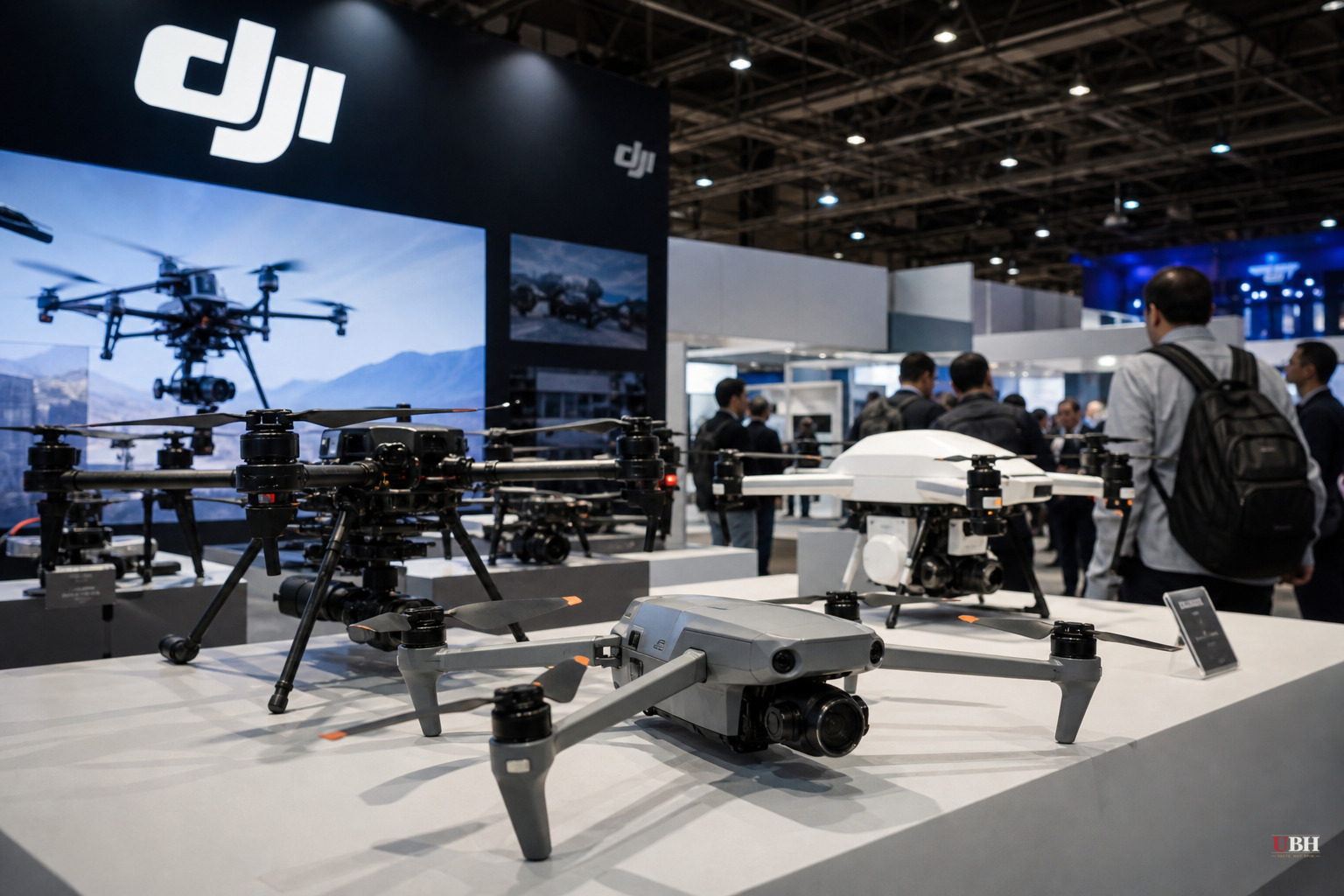
The Federal Communications Commission is preparing to do something it's never done before: pull sales approval for gadgets it already approved.
The target is a group of companies the FCC suspects are fronts for DJI, the Chinese drone giant that's been barred from selling new products in the U.S. since December 2025 under the agency's Covered List rules, according to TechRadar. The FCC's theory is that DJI is dodging that ban by selling nearly identical drones and cameras under different brand names.
On July 11, the FCC proposed $25,000 fines against eight companies: Cogito Tech, Pixasoo Technology (also reported as Fikaxo Technology), Ryno Dynamics (also reported as Lyno Dynamics), Skyhigh Tech, Spatial Hover, SZ Knowact, Wavego Tech and Xtra Technology, according to The Verge and digitaltoday.co.kr. Agricultural drone maker XAG was also named, according to digitaltoday.co.kr.
Now the FCC wants to go further. It's proposing to ban those companies from importing, distributing, marketing or selling their existing products, not just future ones, according to The Verge.
The Skyrover X1 drone and Xtra's cameras, including a version of the DJI Osmo Pocket 3, already have FCC certification and are sold on Amazon with next-day shipping, The Verge reported. If the ban goes through, those listings should disappear from major retailers and the companies' own sites. Whatever inventory is sitting in U.S. warehouses could become worthless, since the companies may have to write it off.
Why this is new
The FCC gave itself the power to retroactively pull approvals back in October 2025, but hadn't used it until now, according to The Verge. This case is effectively the test run.
Nobody who already bought one of these products is affected. The FCC says it won't recall gadgets from current owners and won't act immediately, according to both The Verge and digitaltoday.co.kr. The agency opened a 30-day public comment period before taking final action, and says it's reached only a "preliminary conclusion" that the equipment should be banned on national security grounds, with companies still able to submit evidence to push back, according to digitaltoday.co.kr.
The FCC has also "temporarily deferred the grantee codes" of these companies, a phrase The Verge says a former FCC official had never heard before. Grantee codes are the ID numbers manufacturers need to get equipment certified for U.S. sale, according to digitaltoday.co.kr. A deferral could block these companies from getting any new products approved while the investigation runs.
Where the evidence comes from
The investigation traces back to a researcher named Conrad Iturbe, who has been tracking what he alleges is DJI's circumvention structure, according to digitaltoday.co.kr. The FCC also expanded its probe to scrutinize SGS-CSTC Shenzhen, a Chinese testing institution involved in certifying some of these products. The FCC concluded that institution could count as under Chinese government control based on its ownership structure, despite the institution's own claim that it isn't, according to digitaltoday.co.kr.
TechRadar noted that gadgets previously listed on the FCC's own database, including the DJI Osmo Pocket 4 Pro, have already vanished from that site.
The fair pushback
The strongest case against what the FCC is doing: the U.S. government has not published specific public evidence that these drones or cameras actually pose a national security risk, a point The Verge raised directly. Banning a product because it resembles a banned product isn't the same as proving it spies on anyone. Companies facing this action, including Xtra and Cogito Tech, have reportedly not responded to FCC questions, according to TechRadar, which cuts against them, but silence isn't proof of wrongdoing either.
There's also a trust problem baked into the process itself. The Verge pointed out that the FCC has a track record worth scrutinizing: it largely brushed aside millions of public comments during the net neutrality fight and was caught misrepresenting a cyberattack during that same episode. That history doesn't prove this current process is rigged, but it's a legitimate reason for skepticism when the agency says it will weigh public comments and "specific evidence" from the accused companies with an open mind.
At the same time, the underlying concern about Chinese-made drones isn't invented out of nothing. DJI has faced years of scrutiny from U.S. lawmakers and defense officials over data security and its dominance of the American drone market. If DJI genuinely is using shell brands to dodge a ban Congress and the FCC already imposed, that's a real enforcement gap worth closing.
What happens next is straightforward: the 30-day comment window runs its course, the FCC reviews whatever evidence the eight companies and the public submit, and then the agency decides whether to make the sales ban final. Until then, Skyrover drones and Xtra cameras remain for sale, grantee codes stay frozen, and nobody, including the companies themselves, knows yet whether this becomes the first of many retroactive bans or a one-off test case.
Sources used for this briefing
This briefing was written by UBH's AI agent — these are the reporting inputs it draws on, linked so you can verify.


