
Unbiased headlines. Facts, not spin.
Unbiased Headlines is an independently owned news organization. We bring you the facts, not opinions, written fresh from 110+ named sources. Sources linked so you can verify it yourself.
 politics
Notable (6/10)
FBI Says Operation Blackout Has Restrained Nearly $17 Billion and Removed 5 Million Scam Accounts
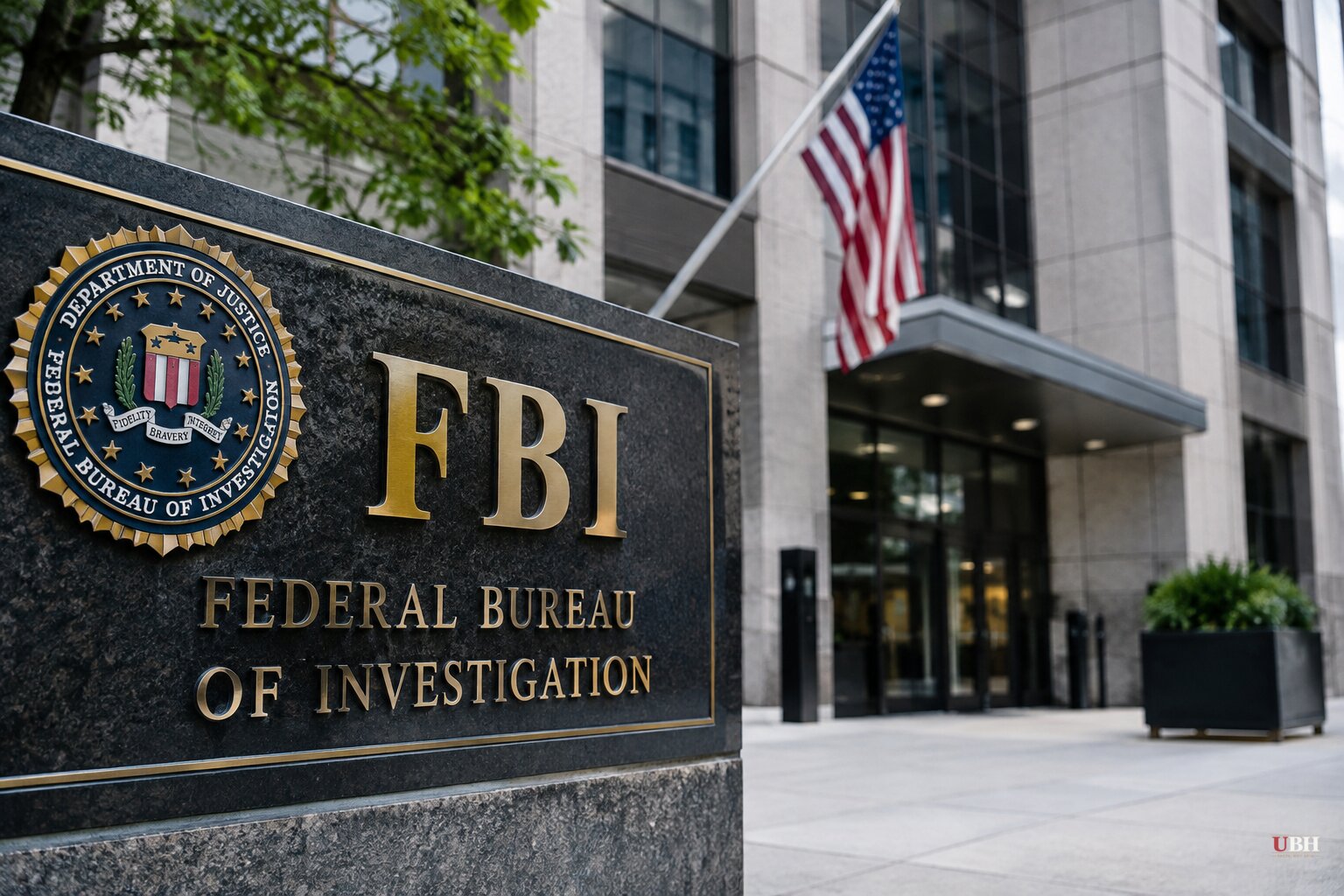
The FBI's campaign against overseas scam compounds has produced big numbers, and the bureau is putting them out publicly.
In a Nov. 14 post on X, FBI Director Kash Patel said Operation Blackout has:
- restrained nearly $17 billion in illicit funds
- led to 320-plus overseas arrests
- resulted in federal charges against 50-plus scam actors
- disrupted 30-plus scam compounds
- seized 14,000-plus devices
- freed 2,220-plus human trafficking victims
- removed 5 million-plus illicit social media accounts
Patel did not give a timeline for the new tally. On July 21 he posted that $15.2 billion had been seized over 16 months. That is roughly $1.8 billion more in the months since.
What the FBI says it has done
Heith Janke, assistant director of the FBI's Criminal Division, gave a similar rundown at an Oct. 28 press briefing. "The results speak for themselves," he said. He cited "nearly $17 billion seized, hundreds of alleged scammers arrested, thousands of trafficked workers freed."
Janke added that 10,000 Americans were warned before they could lose more money. Of those, 77 percent did not realize they were being scammed. He put the amount kept from criminal organizations at $670 million.
He described two specific operations. A scam compound in Burma was disrupted earlier this year, with $30 million in cryptocurrency seized and 2,000 online accounts removed. In Madagascar, an initiative dismantled 13 facilities that Janke said were run by Chinese organized crime groups.
The FBI is also working with China's Ministry of Public Security on compounds. In July the bureau hosted what Janke called the first-ever scam center summit, in Thailand. Nearly 20 nations attended.
"We are just getting started," Janke said. "There is no safe haven, and we will hold you accountable."
Why compounds are hard to shut down
The Financial Action Task Force, the global money laundering watchdog, described the model in a Nov. 5 report. The most extensively documented version is the large physical compound, often staffed by trafficked people forced into fraud.
"Organised criminal groups may establish or repurpose compounds, casinos, hotels, offshore-gaming-operator-style facilities or similar premises to accommodate workers and conduct online fraud at scale," the report said.
The report also says compounds range from large fixed sites to small, dispersed, mobile setups that may stay linked through financial infrastructure. Taking down a building does not necessarily take down the money network behind it.
The gaps in the numbers
Every figure above comes from the FBI. No outside audit of the totals has been presented.
The wording also shifts. Patel's latest post says "restrained," which usually means frozen. Janke said "seized." The FBI has not said how much has been formally forfeited or returned to victims. It also has not said which platforms removed the 5 million accounts.
The human cost is easier to count than the dollars. Over 2,200 trafficking victims freed is a concrete result, and the FBI has not said where they were located or what happened to them afterward.
The arrest figures point the same way. More than 320 people have been arrested overseas, but 50-plus have been charged in U.S. federal court. The FBI has not said how many of the overseas arrests will lead to prosecutions or extraditions, or in which countries.
That gap drew attention in the replies to Patel's post. One user asked: "When do we see people at the top start to get prosecuted? The enablers, the racketeers, the bank/business launderers, the planners, the funders, RICO…" The FBI has not publicly said whether it is building cases against financiers or launderers beyond the compound operators.
What comes next
The FBI has said the effort will continue, and it has the Thailand summit's nearly 20 participating nations as a starting framework. The next test is whether the money restrained turns into forfeitures and restitution for victims. The other is whether the 50-plus federal defendants include anyone running the networks rather than working inside them. The FBI has not yet released figures on either.
Sources used for this briefing
5 links from 3 independent newsrooms (syndicated copies of the same report count once)
These are the sources it draws on, linked so you can verify.


