
Unbiased headlines. Facts, not spin.
Unbiased Headlines is an independently owned news organization. We bring you the facts, not opinions, written fresh from 110+ named sources. Sources linked so you can verify it yourself.
 politics
Major Story (8/10)
Event date: October 15, 2026 ·
politics
Major Story (8/10)
Event date: October 15, 2026 ·
EU Summit Ends With No Budget Deal and the Commission Told to Find Ukraine's Extra €70 Billion
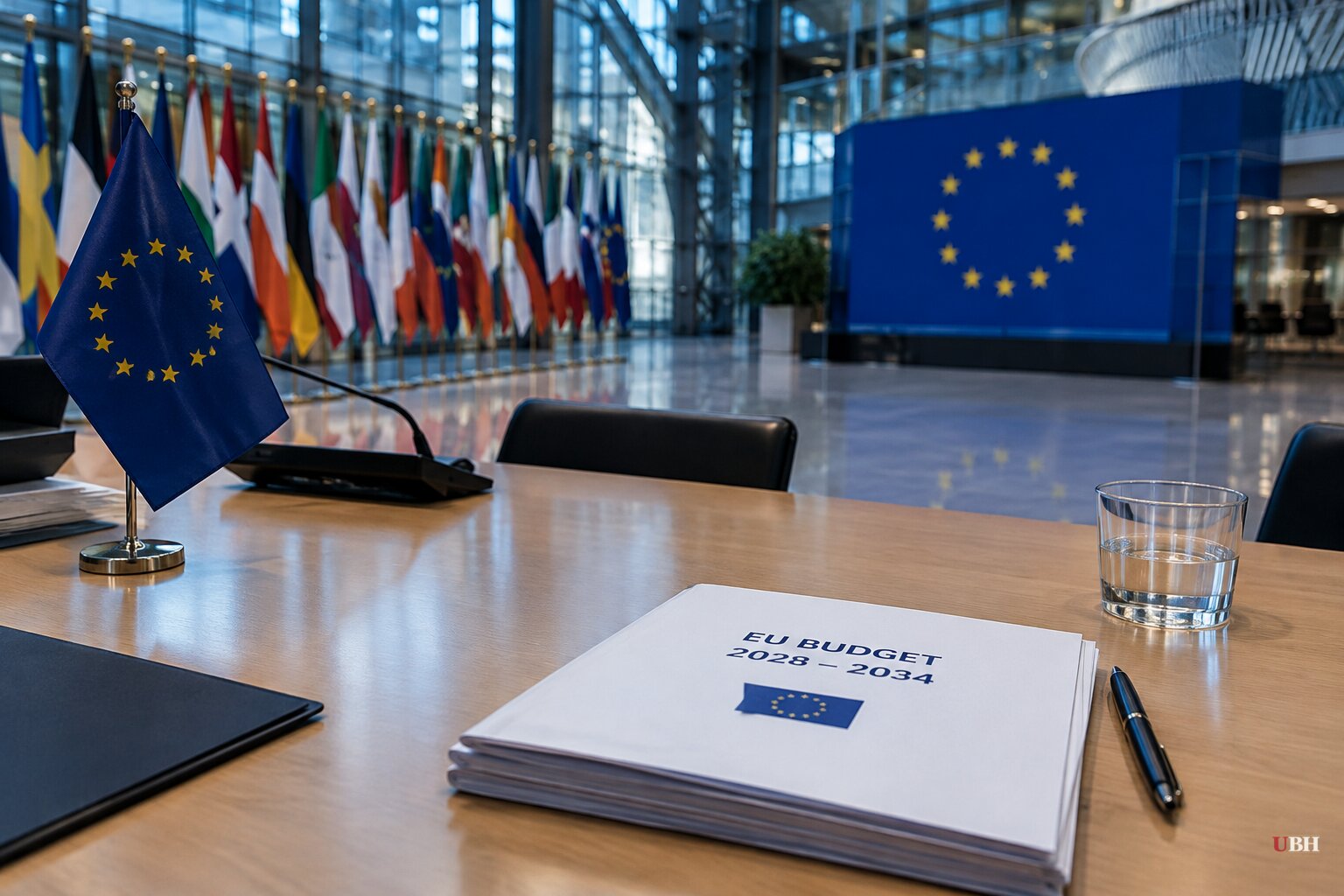
Since EU leaders arrived in Brussels on Thursday, Oct. 15, the summit has produced a lot of solidarity with Ukraine and very little money. It ended Friday with no budget deal, no plan for Zelenskyy's request for an extra €70 billion in 2027, and open splits over energy and migration.
Ukraine: sanctions stay, funding is unsolved
Leaders promised to keep sanctions on Russia in place for as long as it pursues its full-scale invasion. They also condemned the diesel deal Trump struck with Putin. Bulgaria's prime minister broke ranks and backed it.
Trump, for his part, doubled down in his dispute with Kyiv. He said Zelenskyy was "more difficult" to deal with than Putin and demanded new elections in Ukraine. He also called Ukraine's strikes on Russian oil refineries a "disgrace."
Zelenskyy answered in Brussels. "I defend the interests of Ukraine and the Ukrainian people exclusively," he said. "We were attacked, occupied, and our people were killed. It is only logical that we have the right to defend ourselves."
The €70 billion ask breaks the EU's own planning. The bloc had assumed the €90 billion Ukraine Support Loan agreed earlier this year, with €45 billion earmarked for each of 2026 and 2027, would cover both years. Leaders handed the Commission the job of proposing how to close the gap.
European Commission President Ursula von der Leyen told leaders that "as long as this war continues, Ukraine's financing needs will keep growing." She said the EU and its member states provide 80% of external aid to Ukraine and that "we urgently need also other partners to step in."
Every option has a cost. Soaring borrowing costs make new joint debt unpalatable. Using immobilised Russian assets, which Zelenskyy raised again, remains politically divisive. Bilateral contributions risk leaving the burden on a handful of wealthy countries.
Draft summit conclusions seen by RFE/RL said the means to cover Ukraine's 2026 budget and defense needs have been identified. They also welcomed recent disbursements of €5.34 billion from the loan. The pressure point is 2027.
The budget: the Irish plan is dead
On Thursday, leaders debated the next seven-year budget at length and made little headway. The "frugal" net contributors and the southern and eastern "Friends of Cohesion" held their positions.
The negotiating box tabled days earlier by the Irish presidency is now officially dead. It had proposed cutting €141 billion from the overall budget to win over the frugal group. The draft proposal on the table totals €1.6 trillion.
European Council President António Costa takes over the talks. He is due to present a new compromise in the coming weeks, which many expect before a special summit he has called for Nov. 26, just days before Spanish elections.
Costa is expected to pursue three lines: keep national contributions as low as possible, rework the package of EU-wide taxes using European Parliament proposals, and restore flexibility instruments. RFE/RL's Rikard Jozwiak had reported that further summits were already planned for November and December, with no guarantee of a deal even then.
Accession talks move, with a catch
Ukraine's membership track did advance this week. On Oct. 13, Kyiv opened negotiations on the internal market and competitiveness clusters, Irish European Affairs Minister Thomas Byrne announced after talks in Luxembourg with Ukrainian Deputy Prime Minister Vsevolod Chentsov and Enlargement Commissioner Marta Kos.
That followed Hungary dropping its objections. Hungarian Foreign Minister Anita Orban had said on Oct. 12 that Budapest would allow the talks if Ukraine's parliament passed a law expanding minority-language education rights. The parliament passed it that day.
Zelenskyy wants the remaining two clusters opened by the end of the year so that all six are open. "Ukraine deserves this," he said.
Energy, migration and China
The summit also produced open clashes over energy and migration policy, according to Euronews. The summit's reporting did not settle either fight.
On China, leaders showed fresh resolve to build new trade defence tools against the pressure of Chinese trade imbalances.
What comes next
Two deadlines now matter. The Commission has to bring back a way to fund Ukraine in 2027 that leaders can live with. Costa has to produce a budget compromise before the Nov. 26 special summit. Both land on the same national treasuries, and the frugal and cohesion camps have not moved.
Sources used for this briefing
6 links from 5 independent newsrooms (syndicated copies of the same report count once)
These are the sources it draws on, linked so you can verify.


