
Unbiased headlines. Facts, not spin.
Unbiased Headlines is an independently owned news organization. We bring you the facts, not opinions, written fresh from 110+ named sources. Sources linked so you can verify it yourself.
 politics
Major Story (8/10)
politics
Major Story (8/10)
EU Leaders Pledge More Pressure on Russia as Zelenskyy Asks Brussels for €70 Billion More in 2027
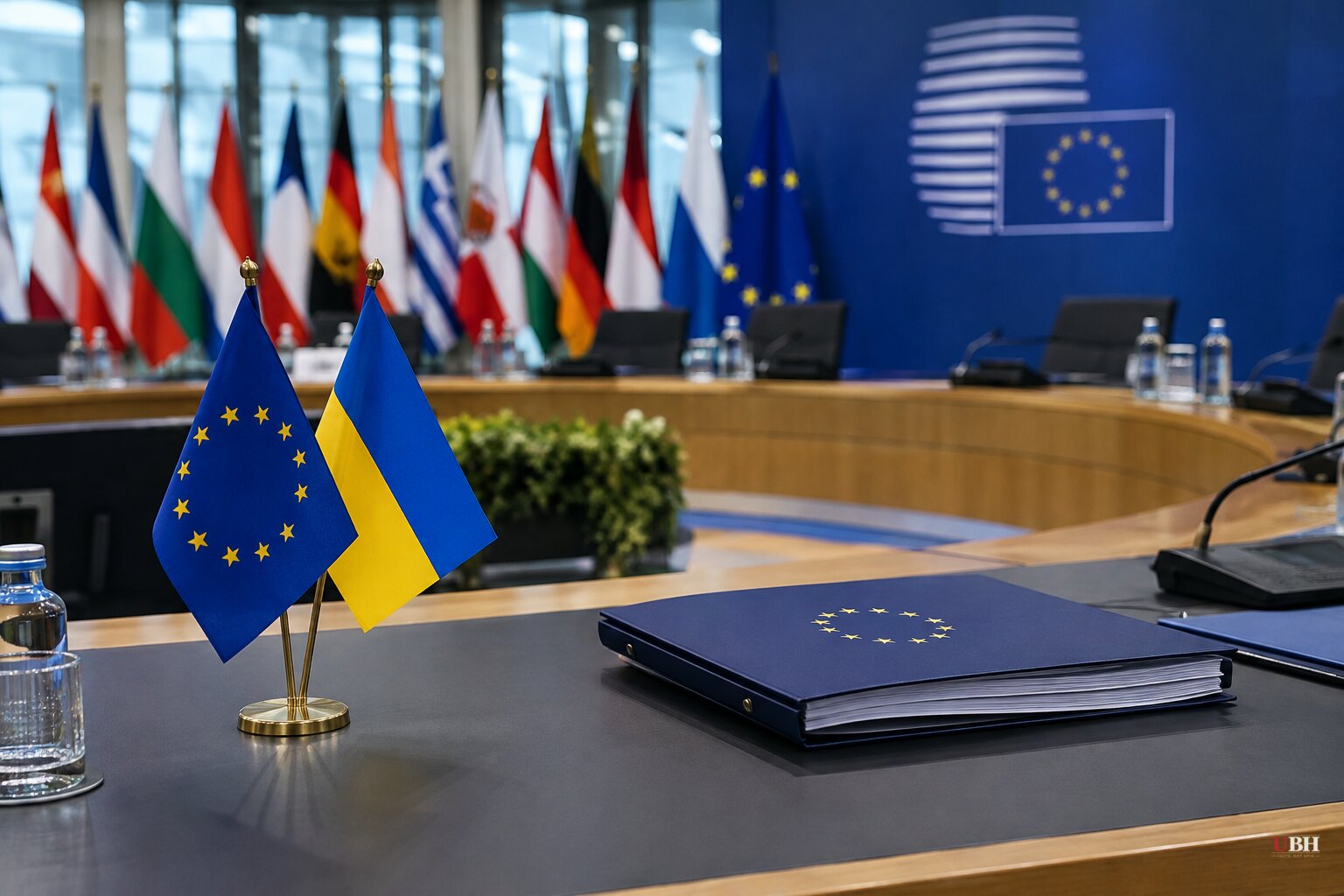
European leaders used the second and final day of their Brussels summit today, Oct. 16, to line up behind Ukraine. Zelenskyy left them with a number: €70 billion in additional funding for next year.
"The war will cost 155 billion euros next year," Zelenskyy told the leaders. "And we need at least 70 billion euros more from you, for defence, for weapons and for our resilience." The additional sum is about $79 billion, set against a projected annual war cost of 155 billion euros, or $174 billion.
"This is a realistic amount," he said. "And I ask you to find this support. It will help us hold Russia back."
Al Jazeera's Rosie Birchard, reporting from the summit, described an "emotional plea" with air defense systems at the top of Zelenskyy's wish list. He is bracing for expected winter attacks on Ukraine's energy infrastructure. Birchard said he also appealed to European countries to dig into their own stocks to help cover Ukraine's needs in the colder months, which "would mean some European countries potentially compromising their own national security."
Costa: no sanctions relief
Standing beside Zelenskyy, Costa framed the summit as a direct answer to Washington's recent moves.
"This is no time to withdraw support to Ukraine," Costa said. "This is no time to relieve Russia's sanctions. Now it is time to increase our support, to increase our pressure."
That is a pointed line. Trump has suspended sanctions on Russian oil products and struck a deal with Vladimir Putin for Moscow to supply large quantities of diesel to global markets.
Zelenskyy, arriving at the summit, thanked the leaders and called them "real leaders." That appeared to be a dig at Trump.
How the Trump rift got here
The timeline is short. Last weekend, Trump announced that Kyiv and Moscow had agreed not to target each other's energy facilities. The announcement blindsided Zelenskyy.
On Thursday, Zelenskyy abandoned the arrangement, saying Russia had failed to live up to it. Trump called the move "a disgrace" and said Kyiv was driving up global energy prices.
In an interview with Newsmax published Thursday, Trump went further. "I think I find Zelensky to be more difficult to deal with than Putin," he said.
Zelenskyy rejects the premise of the diesel deal. "This diesel deal will never be enough to offset the impact of the Strait of Hormuz on global markets," he said on the summit sidelines. "But it will put more money straight into Putin's pocket to fund this war."
He also dismissed Russia's posture on diplomacy. "Putin does not want peace talks at the moment, in any form," Zelenskyy said. "He's playing with words. Quite simply, it looks like a parody of a genuine desire to end the war."
Moscow's version
The Kremlin says Kyiv, not Moscow, is the obstacle. Spokesman Dmitry Peskov told reporters that Ukraine "continues to launch strikes against these facilities" and that this "is coming into serious conflict with the peace efforts of the United States and American negotiators, who are making vigorous efforts to initiate the peace process."
Russian authorities reported a drone attack on an oil refinery south of Moscow that caused a fire.
Zelenskyy says the energy ceasefire was never respected on Russia's side. He said a Russian drone strike hit Ukrainian energy infrastructure in Lutsk this week, causing blackouts, and wrote that Russia "has demonstratively disregarded the American president's proposal for an energy ceasefire."
The two sides directly contradict each other on who broke the arrangement.
Satellite outages and the winter
Outages to a U.S.-provided satellite system have hampered Ukraine's military as it tries to counter Russian bombardment. Zelenskyy accused Russia of taking advantage of problems with Starlink operations "to cause maximum destruction to everything that sustains everyday life."
Russian missiles and drones are hitting Ukrainian cities daily, four and a half years into the invasion. Fears are growing in Kyiv that Washington could pull back intelligence sharing and weapons support. Defence officials confirmed that the United States had threatened to withdraw intelligence-sharing if Ukraine continued long-range strikes on Russian oil refineries.
Residents in Kyiv told AFP they sense a change in Washington's attitude toward Ukraine.
Friday's summit came as Russian strikes killed three people in Kharkiv and left hundreds of thousands of people without power in Ukraine.
European leaders have been vocal. French President Emmanuel Macron said Ukraine must receive "all the means necessary to protect itself." Polish Prime Minister Donald Tusk posted: "YOU ARE NOT ALONE." Zelenskyy also met NATO chief Mark Rutte on Thursday.
Money talk, and some caution
European Commission President Ursula von der Leyen pledged continued EU support through the winter. "Russia is trying everything to destroy the energy and water infrastructure. But we stand by your side. We will support you as we did in the other winters," she said.
Estonian Prime Minister Kristen Michal told Reuters the EU would probably have to provide a new loan to Ukraine to help cover its budget gap for next year. "Last winter was already hell, this one will be once again like hell," he said.
Austria urged caution. "There are so many figures being bandied about that we now need to put them into context, explain them and make it clear where this shortfall is coming from," said Chancellor Christian Stocker.
Birchard also reported that some European officials were said to be appealing to Zelenskyy behind closed doors to "kind of dial down" his public criticism of Trump. "Of course, they want to show that they are close to Ukraine, that they are supporting Zelenskyy, but they also don't want to antagonise the US," she said.
Words are cheap, and so is a summit communique. Europe is being asked to cover a much larger share of a war whose American backing is now visibly uncertain. Whether EU governments turn Costa's pledge into money before winter strikes on the grid remains to be seen.
Sources used for this briefing
7 links from 5 independent newsrooms (syndicated copies of the same report count once)
These are the sources it draws on, linked so you can verify.


