
Unbiased headlines. Facts, not spin.
Unbiased Headlines is an independently owned news organization. We bring you the facts, not opinions, written fresh from 110+ named sources. Sources linked so you can verify it yourself.
 sports
Low Interest (3/10)
sports
Low Interest (3/10)
Esports Star Retired at 25 With Wrist Injuries. Now Teams Are Hiring Doctors to Stop It Happening Again.
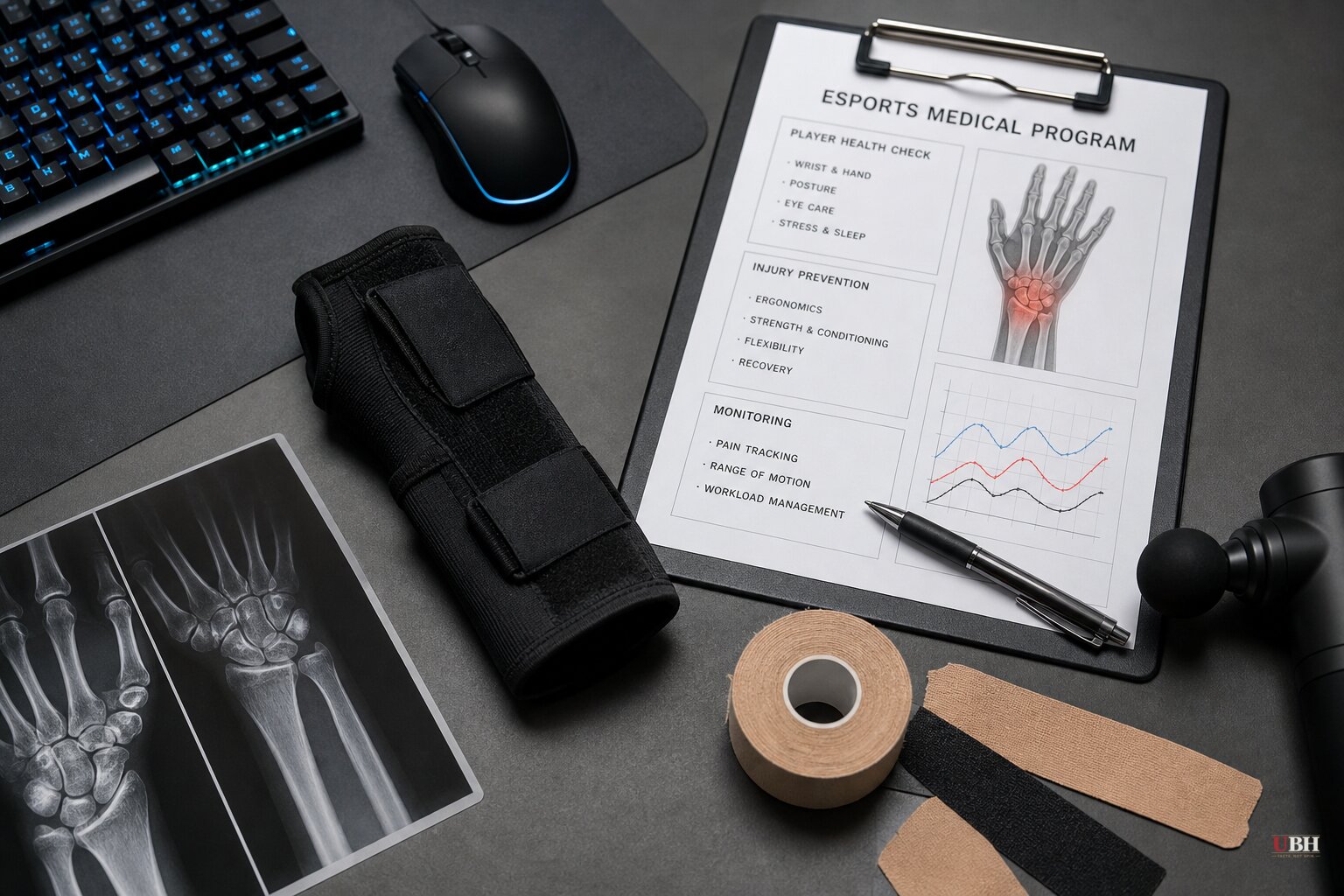
Jian "Uzi" Zi-hao was one of the best League of Legends players in the world. His team built its entire strategy around him and a teammate, Shi "Ming" Sen-Ming, funneling resources their way so the two could carry the squad to titles, according to The Conversation. Over his career Jian earned more than $500,000 in tournament prize money.
In 2020, he retired at age 25. Not from a scandal, not from losing his edge. Chronic wrist and arm injuries ended it, according to The Conversation.
Video games get mocked as sedentary hobbies for people who avoid physical exertion. The players competing at the top of the industry don't get that luxury. They're on grinding schedules: daily practice, scrimmages, official matches, all while trying to keep climbing a competitive ladder that never stops moving, The Conversation reported.
A 2021 study of Portuguese esports players found 37% experienced anxiety and depression, and 45% reported sleep disturbances, according to The Conversation. Screen exposure disrupts melatonin release, which regulates sleep. That's the result of basic human biology responding to hours of blue light.
The physical toll reads like an industrial injury report. Carpal tunnel syndrome. Tendonitis. "Gamer's thumb," caused by overuse of the tendons around the thumb and wrist. The Conversation notes these are the same overuse injuries seen among assembly-line workers doing repetitive motion all day. A professional gamer clicking a mouse thousands of times a match isn't functionally different from a factory worker running the same machine motion on a line.
Sitting for three-plus hours without a break wrecks lower backs and spines too. And there's a genuinely dangerous complication: deep vein thrombosis, a blood clot that can travel to the lungs and kill. British gamer Chris Staniforth, who reportedly played sessions up to 12 hours long, died of the condition in 2011, according to The Conversation.
Teams Are Responding Like Real Sports Franchises
The fix isn't a government mandate or a league regulation. It's teams spending their own money because injured stars are bad for business. Top esports organizations now employ physical therapists, athletic trainers, massage therapists and performance psychologists on staff, according to The Conversation. Group exercise sessions build team rapport and cut injury risk. Chair selection and posture training have become standard because an upright seated position paired with strength and mobility work reduces pain.
That's a market responding to a labor problem the way traditional sports franchises did decades ago, hiring medical staff because a $10 million contract sitting on the injured list is worth more prevented than treated.
Archyde reported that Faker, League of Legends star Lee Sang-hyeok, was sidelined by cubital tunnel syndrome, a nerve condition affecting the elbow, and underwent rehabilitation in 2023 before returning to win a world championship that year. Archyde framed his comeback as proof the investment in sports-medicine infrastructure pays off competitively, not just medically.
What's Still Unsettled
None of the sourcing here points to any regulatory body setting minimum medical standards for esports organizations, age limits for competitive play, or mandatory rest requirements the way traditional professional sports leagues have collective bargaining agreements covering trainers, injury disclosure and roster protections. It's currently up to each team to decide how much to invest in a player's long-term health versus short-term performance.
Without any external standard, a team's incentive to protect a player's long-term health only kicks in once that player is valuable enough to justify the expense, leaving younger and lower-tier competitors more exposed. This is a particular concern because the players hitting these injuries are often teenagers and players in their early twenties, the same age range Jian was when chronic wrist damage forced him out at 25. Nothing in the available reporting indicates any esports league has moved to close that gap with binding rules, only that top-tier organizations are doing it voluntarily because it's now proven to help them win.
Sources used for this briefing
7 links from 6 independent newsrooms (syndicated copies of the same report count once)
These are the sources it draws on, linked so you can verify.


