
Unbiased headlines. Facts, not spin.
Every story is an unbiased news briefing written from 110+ sources across the spectrum — sources linked so you can verify it yourself.
 politics
Notable (5/10)
August 2, 2026 at 10:49 AM
politics
Notable (5/10)
August 2, 2026 at 10:49 AM
DSA Rewrites Its Platform to Call for Abolishing the Senate, Presidency and Supreme Court. Bernie Sanders Says No.
Democratic Socialists of America rolled out a revamped version of its "Workers Deserve More" platform ahead of its Socialists Summit this weekend in Chicago, and the new document goes further left than the 2024 version on two of the most politically radioactive issues in American politics: immigration and the structure of the federal government itself.
On immigration, DSA now calls to "abolish ICE," "legalize migration," and grant "amnesty" to immigrants already in the country, according to Semafor. That's a shift from 2024 language that endorsed "freedom of movement" across borders and called to "end all immigrant detention and deportations." Notably, the new platform does not call for ending all deportations, a change DSA co-chair Ashik Siddique's team is framing as a moderation, even as the headline asks — abolishing ICE and granting amnesty — remain far outside where most voters sit on the issue.
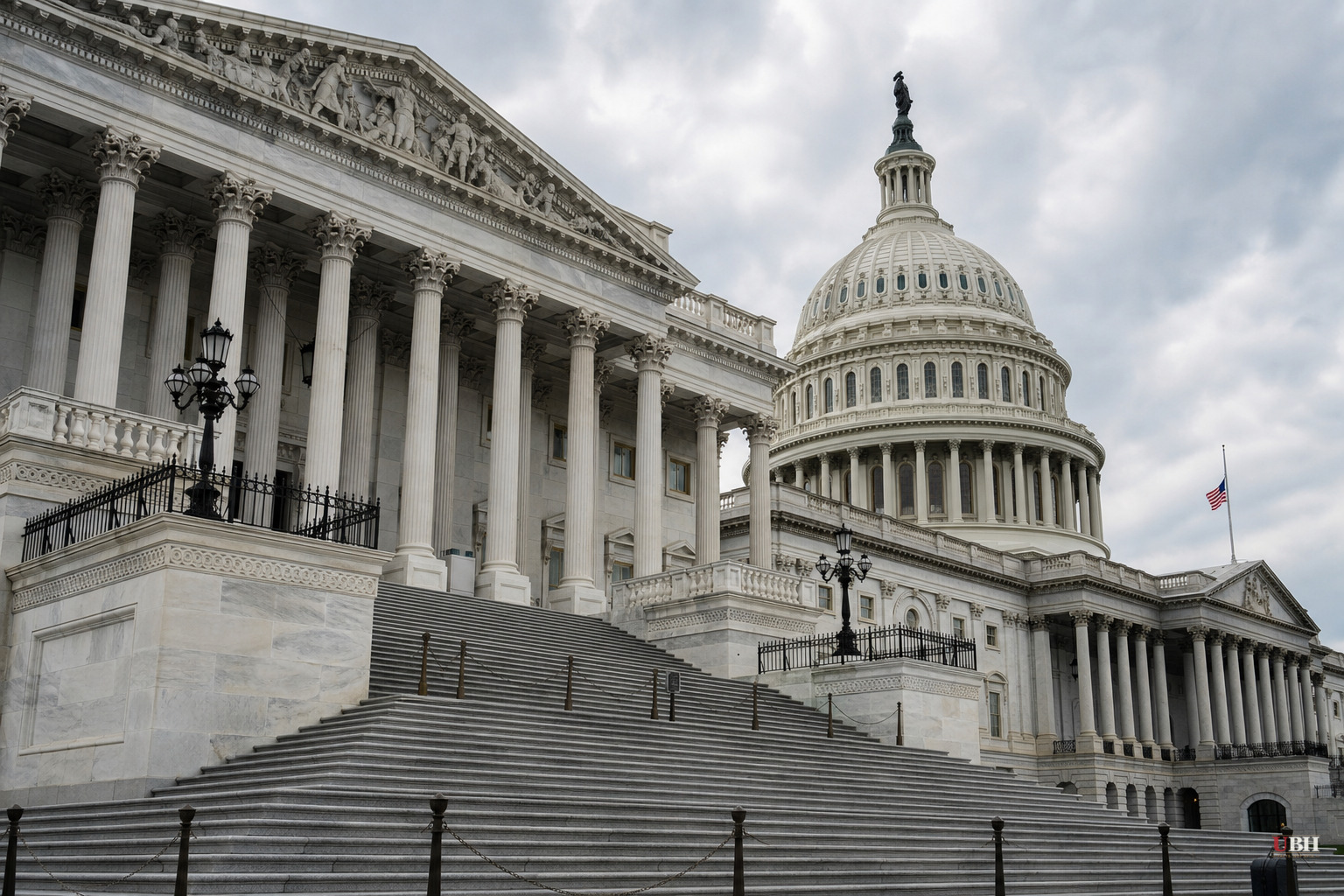
On government structure, DSA moved further left, not toward the center. The 2024 platform called to end the Senate filibuster. The new one calls to abolish the Senate outright, according to both Semafor and NOTUS. NOTUS reports the platform also calls for scrapping the presidency and the Supreme Court, replacing all three with a unicameral, expanded House of Representatives and an "executive and judiciary chosen by and subordinate to Congress." DSA's document also envisions a multiparty system rather than the current two-party structure.
DSA's Own Reasoning
Siddique defended the Senate position in an interview on C-SPAN, telling viewers, "The Senate is a very undemocratic institution," and adding, "We want democratic representation of all people who live in this country," according to NOTUS. The core argument is that the Senate gives Wyoming's roughly 580,000 residents the same two votes as California's nearly 39 million. That's a real structural fact about the Constitution, not a conspiracy theory. Critics of the Senate's design have made that argument for decades, including some mainstream political scientists who aren't socialists at all.
The catch is that actually abolishing the Senate would require a constitutional amendment, one of the hardest things to do in American government, requiring two-thirds of both the House and Senate plus ratification by three-quarters of the states. NOTUS notes this directly. Any state that likes having equal representation, which is most small and mid-sized states, has every incentive to block it.
Democrats Don't Want It
Senate Democrats were not shy about rejecting the idea. Arizona Sen. Mark Kelly told NOTUS abolishing the Senate is "in the Constitution, and it is a critical component of the United States government to pass legislation with the House," calling the DSA proposal "not a serious recommendation." Massachusetts Sen. Elizabeth Warren was blunter: "I don't even know what they mean by that. I don't have any idea."
Even Vermont Sen. Bernie Sanders, the country's most famous self-described democratic socialist, shot it down in a single word. Asked by NOTUS about the proposal, Sanders said "No," and declined to elaborate further, citing a flight to catch.
If the man who normalized the term "democratic socialist" in national politics won't endorse DSA's actual platform, the gap between DSA-the-organization and the elected Democrats it claims to influence is significant. It's bigger than Republicans' midterm messaging suggests, and bigger than DSA's own spotlight-seeking suggests too.
The Political Fallout
Republicans are using the platform as a cudgel against the whole Democratic Party, per both Semafor and NOTUS, tying candidates who've accepted DSA support or membership to planks like abolishing police and abolishing ICE. Wisconsin gubernatorial primary front-runner Francesca Hong is a direct target. NOTUS reports she told debate viewers, "I do not support the full platform of the national DSA, and I am not endorsed by DSA national," while walking back a 2020 social media post calling to abolish police.
Pennsylvania state Rep. Chris Rabb, a DSA member headed to Congress next year, made the strategy explicit to Semafor: "I can't tell you what any endorsing organization's full platform is," he said, arguing Republicans are "trying to identify the most controversial-slash-radical aspects of these platforms" to "split Democrats and distract from the things that most voters care about far more."
The organization has grown past 120,000 members and won recent races in New York, Pennsylvania, Colorado and Washington, D.C., per Semafor. It wants the attention. But it also wants its endorsed candidates to be able to disavow the platform's most extreme lines whenever a reporter asks. DSA credentialed 15 media outlets for this weekend's Chicago summit, according to Semafor, while restricting them from doing ambush interviews with attendees.
With Sanders, Warren, and Kelly all publicly rejecting the Senate-abolition plank, and Hong distancing herself from the police plank in a competitive primary, the platform is already testing how much daylight DSA-aligned candidates can maintain between themselves and the national organization's own words.
Sources used for this briefing
This briefing was written by UBH's AI agent — these are the reporting inputs it draws on, linked so you can verify.


