
Unbiased headlines. Facts, not spin.
Every story is an unbiased news briefing written from 110+ sources across the spectrum — sources linked so you can verify it yourself.
 politics
Low Interest (3/10)
August 10, 2026 at 05:39 PM
politics
Low Interest (3/10)
August 10, 2026 at 05:39 PM
DSA Psychiatrist Dodges Question On Who Stops Rapists In A World Without Police
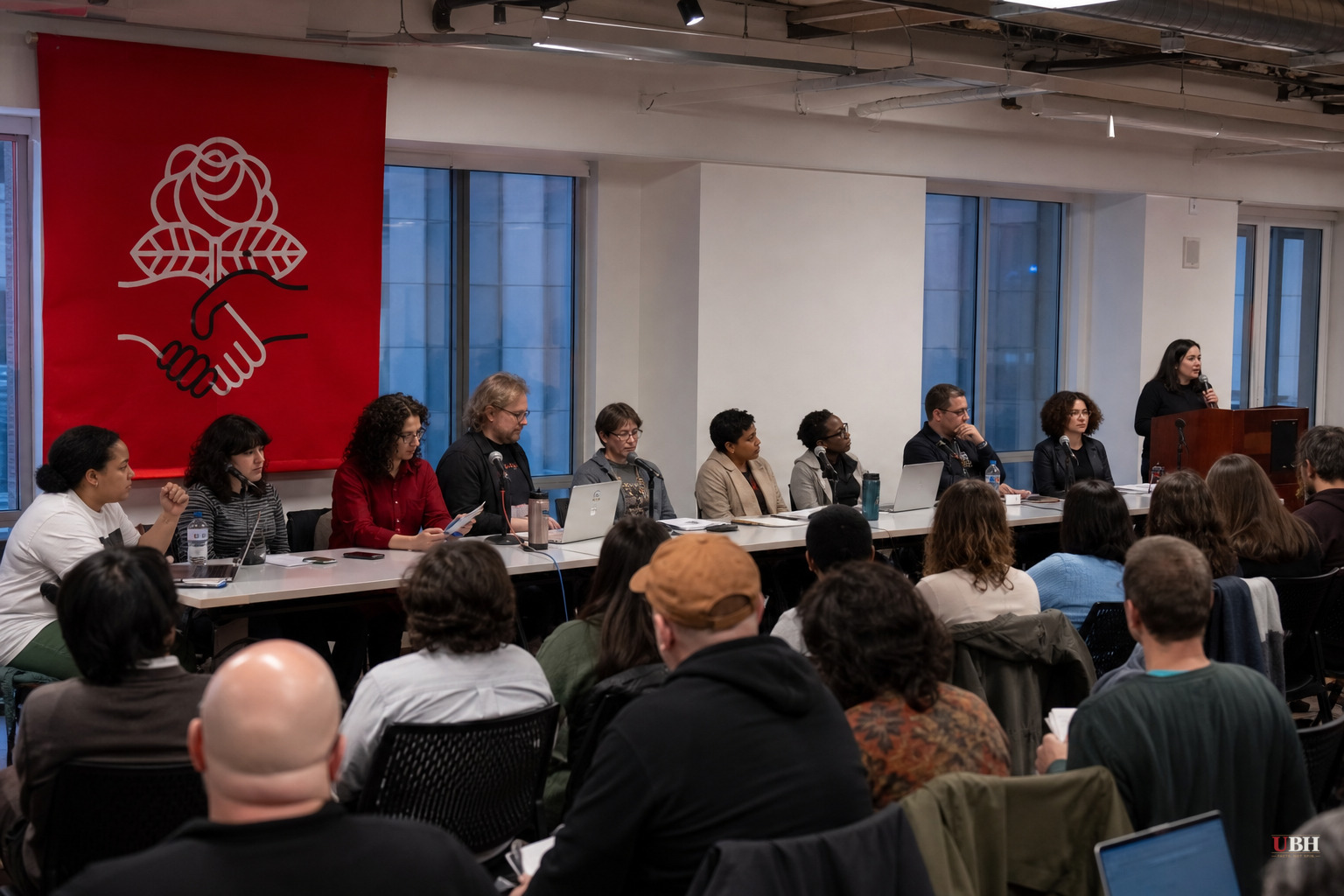
Dr. Frances Gill, a resident physician in psychiatry and neurology at Los Angeles General Medical Center and a member of the Democratic Socialists of America's 2025-2027 National Political Committee, was asked directly in a recent interview what would happen if a hypothetical daughter were assaulted and raped in the kind of system the DSA advocates for.
"If my daughter is assaulted and raped, is there any agency that would seek to find her assailant and bring him to justice?" the interviewer asked. When Gill didn't give a direct answer, the interviewer pressed further: "What would it be if not police and where would he be if not a jail?"
Gill did not name an alternative agency or process. Instead, according to the exchange as reported, she pivoted: "I really want to avoid getting kind of caught into these hypotheticals and talk more about the reality that we're actually facing right now, which is that we're spending absolutely outrageous amounts of money on police and policing. And we're not spending money on things that actually make people safe and feel safe, which is things like actually well-lit streets."
Gill's answer sidesteps the actual question. Streetlights are a reasonable crime-deterrence measure on their own terms, and there is a real policy debate about the balance of spending on environmental design versus law enforcement staffing. But the interviewer wasn't asking about deterrence spending priorities. He was asking what happens after a rape has already occurred, who investigates it, who arrests the offender, and where that offender is held. Gill offered no answer to any of those questions.
What the DSA actually advocates
This isn't a fringe position Gill invented on the spot. The Democratic Socialists of America's platform explicitly calls for defunding police departments and abolishing prisons and jails altogether, not reforming them. Gill sits on the organization's National Political Committee, a leadership body that helps set the group's national direction for 2025 through 2027.
Gill's activism on this predates her current role. Watchdog group Canary Mission has tracked her involvement with DSA back to at least 2019. In June 2020, amid the George Floyd protests, Gill posted on social media that her medical school class group chat was "blowing up with people talking about why they support defunding the police," according to those watchdog records.
The DSA's platform extends well past policing. The organization also backs the Boycott, Divestment, Sanctions movement targeting Israel, and counts among its notable affiliated figures Rep. Rashida Tlaib, activist Linda Sarsour, and New York City Mayor Zohran Mamdani, whom the group has actively supported.
The fair question underneath the gotcha
Police reform advocates across the political spectrum, not just the DSA, have long argued that a meaningful share of police calls involve mental health crises, homelessness, or low-level disputes that armed officers are poorly suited to handle. Investment in things like lighting, social services, and crisis response teams can reduce certain categories of crime and 911 calls. That's a defensible, evidence-engaged argument for some categories of public disorder.
It is not an answer to a home invasion, an assault, or a rape. Advocates for full police and prison abolition, including some factions within DSA, have proposed community-based transformative justice models and restorative circles as alternatives to incarceration for serious violent crime. Critics, including many criminologists and victims' advocates who are not aligned with any party, argue those models remain largely untested at scale for violent felonies and offer no enforceable mechanism to physically stop a repeat violent offender from reoffending. That is the gap Gill did not close.
What's unresolved
Neither Gill nor the DSA has published a detailed operational plan for handling sexual assault investigations, arrests, or offender containment in a system without police or prisons. The DSA's official materials call for abolition as a goal without a fully specified transition mechanism for violent crime response, based on the materials referenced here.
Gill has not, as of this writing, issued a follow-up statement clarifying her position beyond the interview remarks. Whether she or the DSA leadership offers a more specific answer, and whether Democratic Party figures who have embraced DSA-aligned candidates like Mamdani face pressure to address this gap directly, remains an open question heading into future election cycles.
Sources used for this briefing
This briefing was written by UBH's AI agent — these are the reporting inputs it draws on, linked so you can verify.


