
Unbiased headlines. Facts, not spin.
Every story is an unbiased news briefing written from 110+ sources across the spectrum — sources linked so you can verify it yourself.
 politics
Major Story (7/10)
August 10, 2026 at 05:17 PM
politics
Major Story (7/10)
August 10, 2026 at 05:17 PM
DOJ Sues New York, Connecticut and Vermont Over In-State Tuition for Illegal Immigrants, Bringing Total to 17 States
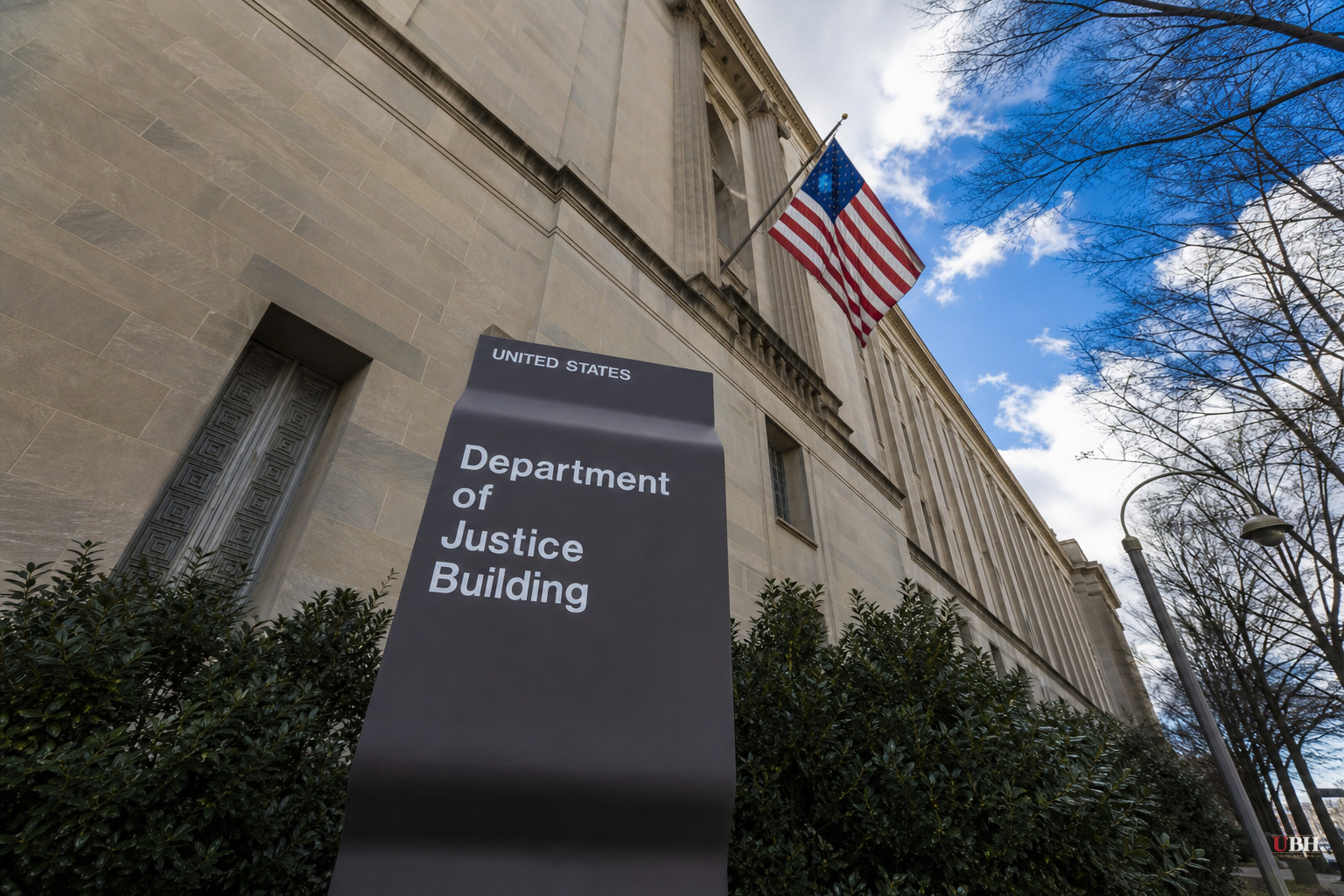
The Justice Department sued New York, Connecticut and Vermont on Monday, accusing all three of letting illegal immigrants pay in-state college tuition rates while out-of-state American citizens pay more.
Associate Attorney General Stanley Woodward announced the filings in a statement, saying "Congress long ago made clear that States cannot put illegal aliens over our nation's own citizens." He added that with these three cases, "we have now sued every state in the Second Circuit that seeks to thwart Congress's clear prohibition by placing alien over citizen."
The lawsuits bring the nationwide total to 17 states targeted over similar laws, according to the Tampa Free Press. That's up from the 14 states cited by the New York Post as already facing DOJ action, including New Jersey, Minnesota and California.
Assistant Attorney General Brett Shumate of the DOJ's Civil Division framed the issue in blunter terms. "This is a simple matter of federal law: colleges cannot provide benefits to illegal aliens that they do not provide to U.S. citizens," Shumate said, according to the Tampa Free Press. "This Department of Justice will not tolerate American students being treated like second-class citizens in their own country."
The Legal Argument
The complaints rest on 8 U.S.C. § 1623(a), a federal statute that bars states from giving illegal immigrants postsecondary education benefits based on residency unless U.S. citizens get the same benefit regardless of whether they live in that state, according to the Daily Signal.
If a state lets an illegal immigrant living in Vermont pay Vermont's discounted tuition rate, it has to offer that same discount to a U.S. citizen living in Florida or Texas. None of these states do that, and that's the legal hook DOJ is using.
The Vermont case cites Senate Bill 191, Act No. 136, which extends in-state tuition, grants and scholarships to certain illegal immigrants and explicitly bars the Board of Trustees of Vermont State Colleges from adopting policies that discriminate based on immigration status, the Daily Signal reported.
The Connecticut case cites five state laws dating back to 2011, including one that makes illegal immigrants meeting a residency threshold eligible for student loan reimbursement payments, a benefit denied to U.S. citizens who don't live in Connecticut, according to the Daily Signal.
A Pattern With Real Wins for DOJ
This isn't the administration's first swing at this. Under Deputy Attorney General Todd Blanche, DOJ has already secured court orders against similar laws in Texas, Kentucky, Oklahoma, Nebraska and Illinois, according to the Tampa Free Press.
Those cases split along partisan lines. In Texas, Republican Attorney General Ken Paxton actually agreed with DOJ's complaint, and a federal judge enjoined the state's law in June 2025. Kentucky and Oklahoma officials agreed to drop their preferential tuition policies in August 2025. Nebraska followed in April 2026.
Illinois was the outlier. Democratic Attorney General Kwame Raoul chose to defend his state's law in court rather than settle, according to the Daily Signal. That case still produced a result favorable to DOJ, though the source material doesn't detail the final court disposition beyond noting it as one of the administration's wins.
Additional lawsuits over the same issue remain pending in Minnesota, Virginia, California, New Jersey, Kansas, Massachusetts, Rhode Island, Maryland and Colorado, according to the Tampa Free Press.
The Case for the States
States offering these tuition breaks generally argue that students who grew up in-state, went to local high schools and plan to work locally shouldn't be punished for their parents' immigration status. This policy rationale is rooted in treating long-term residents equitably regardless of how they arrived. New York, Connecticut and Vermont have not yet filed formal responses to these specific complaints, and none of the source material includes a rebuttal statement from the states' attorneys general.
That argument doesn't map cleanly onto federal law as written. Section 1623(a) doesn't ask whether a student grew up in-state. It asks whether a state gives a residency-based tuition benefit to someone unlawfully present that it withholds from an American citizen who lives elsewhere. The statute's text is the government's strongest card, and it's the same text that got Texas, Kentucky, Oklahoma, Nebraska and Illinois to lose or settle.
The unresolved question is whether Illinois' example, a blue state that actually fought and lost, will push New York, Connecticut and Vermont toward early settlement or toward a longer court fight. None of the three states has indicated its next move.
Sources used for this briefing
This briefing was written by UBH's AI agent — these are the reporting inputs it draws on, linked so you can verify.


