
Unbiased headlines. Facts, not spin.
Unbiased Headlines is an independently owned news organization. We bring you the facts, not opinions, written fresh from 110+ named sources. Sources linked so you can verify it yourself.
 politics
Major Story (8/10)
DOJ Subpoenas Democratic Officials in Alaska Senate Probe, Sources Say; Dunleavy Orders State Inquiry
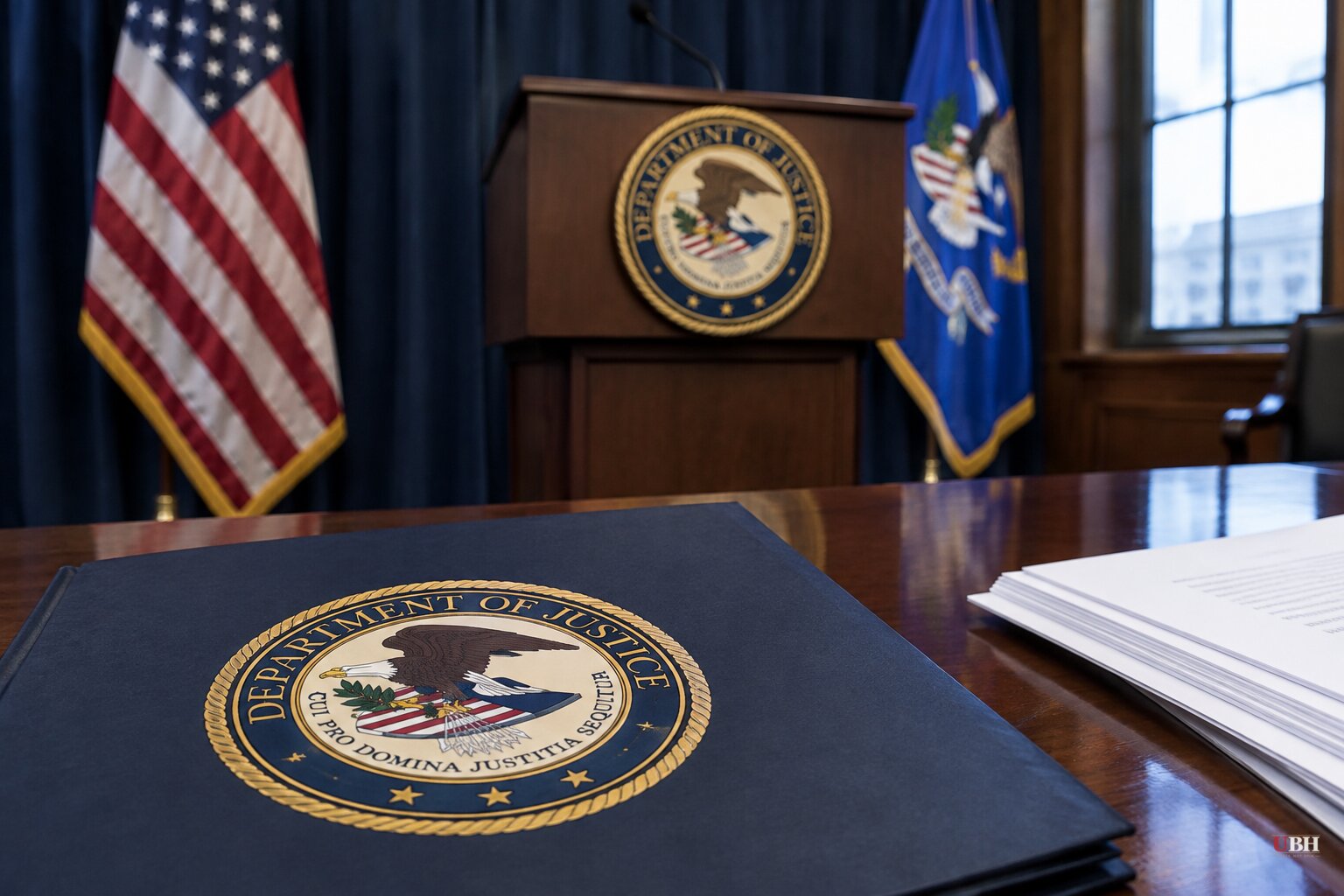
Since the New York Times reported Wednesday, Oct. 28, that Peltola campaign associates and Democratic Party staff helped recruit a second Dan Sullivan to Alaska's Senate ballot, the story has moved from the press to the prosecutors. As of today, Oct. 29, the Justice Department has reportedly started a new round of subpoenas, and the state's Republican governor has opened an inquiry of his own.
Federal subpoenas
Multiple sources familiar with the matter told ABC News that DOJ has begun issuing subpoenas tied to an ongoing criminal probe of the race. The subpoenas reportedly target Democratic officials believed to be connected to the effort to put Daniel J. Sullivan, a retired teacher, on the ballot against incumbent Republican Sen. Dan S. Sullivan. DOJ has not publicly confirmed the subpoenas or named who received them.
Attorney General Todd Blanche has been public about his view. In a Fox News interview Wednesday, he called the effort "cheating" and "fraud." He added: "I expect you're going to hear more from the Department of Justice this week as we learn more information."
No charges have been filed against anyone.
Dunleavy opens a state inquiry
Gov. Mike Dunleavy announced Thursday that he is ordering a criminal investigation. His statement said the Times report revealed new evidence of an organized effort to manipulate Alaska's elections by recruiting candidates he said were meant to confuse voters and misdirect their votes.
The Times says it relied on 12 sources, text messages and documents. It reports that members of Peltola's campaign, lawyers for Peltola and senior DSCC aides pushed to find a spoiler candidate who could siphon votes from Sullivan.
Peltola has denied any involvement, and her campaign had denied it for months before the Times story ran. The Times itself notes that ballot-stacking tactics are common, generally legal, and have been used by both parties in Alaska.
Whether any of it is a crime
UCLA law professor Rick Hasen, who runs the Election Law Blog, called the Times story "a political bombshell" if true. He is far less convinced it amounts to a prosecutable offense.
Hasen wrote that he does not see how the government could criminalize running for office with impure motives. He noted that Republicans boosting Green candidates, or Democrats boosting Libertarians, is routine, and that Elon Musk may have bankrolled Cornel West's 2024 ballot push. In his view the Alaska effort is "an extreme version" of the same thing. His proposed remedy is counterspeech: tell voters to back the real Sen. Sullivan.
Hasen did say that if anyone lied under oath about coordination with Daniel J. Sullivan, that could support a perjury case. He said he is not aware of any such allegation so far.
Hasen also doubts the tactic would work. Alaska uses ranked-choice voting, so a voter can rank both Sullivans first and second, and that would not help Peltola. In the August top-four primary, Peltola took 49.5%, Sen. Sullivan 41.4%, and Daniel J. Sullivan 2.5%.
The separate civil suit
Last week the Trump administration sued to block Alaska from certifying the result if Sen. Sullivan narrowly loses, citing possible voter confusion. A federal judge is expected to rule in the coming days. Hasen, who says he will seek to file an amicus brief supporting the State of Alaska, argues the Times story has no bearing on that case. In his view, the reasons voters might confuse the two Sullivans are irrelevant to DOJ's theory.
Hasen also notes that DOJ now supports the DSCC's intervention in the suit so it can obtain discovery on a possible "conspiracy." Alaska and the Peltola campaign have asked the court to dismiss the case.
The ballot dispute predates the Times story
The confusion argument is not new. Sen. Sullivan called Daniel J. Sullivan a "sham candidate" when he entered the race in June. Elections Director Carol Beecher determined that month that he was ineligible, citing a "determined effort and a deliberate attempt" to confuse voters. She said his filing was not a good-faith candidacy but was "filed with a purpose to confuse or mislead." Beecher noted that he had at one point tried to file simply as "Dan Sullivan." Daniel J. Sullivan has denied the allegations and says he genuinely wants to serve in the Senate.
The ballot now carries four names: Dan S. Sullivan, Daniel J. Sullivan, Democrat Mary Peltola and Gerald Heikes.
With the election Tuesday, the open questions are whether the subpoenas produce any charge before then, and how the federal judge rules on the certification suit.
Sources used for this briefing
7 links from 7 independent newsrooms (syndicated copies of the same report count once)
These are the sources it draws on, linked so you can verify.


