
Original briefings. Zero spin.
Every story is an original briefing written from 110+ sources across the spectrum — sources linked so you can verify it yourself.
 politics
Major Story (7/10)
August 10, 2026 at 07:29 PM
politics
Major Story (7/10)
August 10, 2026 at 07:29 PM
DHS's Top Immigration Statistician Resigned in July. The Data Office He Built Has Gone Dark.
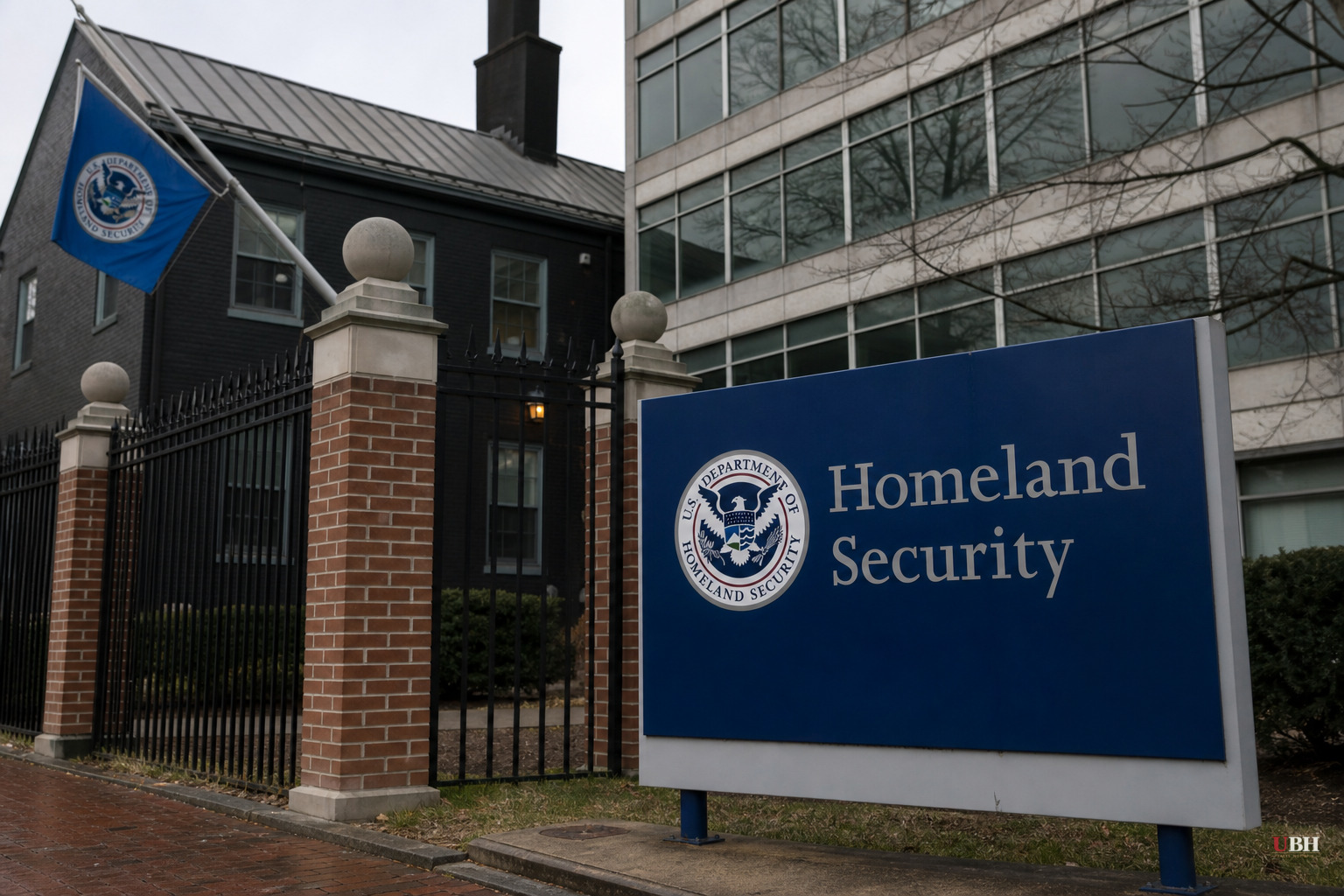
Marc Rosenblum spent more than ten years running the statistics shop at the Department of Homeland Security. Three years ago he built the Office of Homeland Security Statistics specifically so Congress and the public could get immigration numbers that weren't spun by whoever happened to be in the White House. He resigned in late July, according to The Atlantic, after his team was blocked from publishing its regular monthly reports.
On LinkedIn, Rosenblum said he was glad to leave an administration whose values he didn't share, but sad to leave his former team behind in what he called a "hostile work environment." That's a serious charge from a career official, not a political appointee, and it deserves scrutiny rather than dismissal.
The actual problem this creates is that there's no longer a reliable, standardized public feed of ICE arrest and deportation numbers. The office's website has gone stale, and its enforcement tables are reportedly frozen as of 2024, according to The Atlantic. The only remaining public source is the ICE website itself, which posts enforcement statistics on its own schedule and has gone months at a stretch without updates.
ICE data cited by The Atlantic shows the agency deported roughly 400,000 people during Trump's first year back in office. That's well short of the White House's stated goal of 1 million removals annually, a target set by border czar Tom Homan.
To cover that gap, DHS officials starting with Secretary Kristi Noem began touting a much larger number of people they say left the country voluntarily rather than through ICE removal. DHS has labeled these as "self-deportations." The trouble is these are estimates, not confirmed departures. Nobody is checking passports at the exit. Calling an estimate a hard count is exactly the kind of statistical sleight-of-hand Rosenblum's office was created to prevent.
Every administration fudges immigration numbers when they're inconvenient. The Atlantic itself notes that presidents from both parties have delayed or spun border-crossing data when it made them look bad. This isn't a uniquely Trump-era sin. What's different, according to the reporting, is the degree: an entire congressionally supported statistics office got sidelined rather than just having one bad data cycle buried.
DHS Secretary Kristi Noem and Homan have both publicly promised more transparency and better data sharing going forward. Those are just promises so far. No new reporting schedule has been announced, and the frozen tables remain frozen as of this writing.
There's a legitimate conservative case for skepticism about federal bureaucracies gatekeeping information, and a legitimate case that any administration running the largest deportation campaign in U.S. history should want to publicize hard enforcement numbers, not bury them. A White House hitting real deportation targets has every political incentive to publish good news loudly. The fact that DHS instead leaned on soft self-deportation estimates suggests the actual removal numbers aren't hitting the stated goal, whatever the reason.
That's an inference, not a proven fact. DHS has not confirmed why Rosenblum's team was blocked from publishing, and no watchdog investigation or congressional inquiry into the office's shutdown has been announced as of now. The Atlantic reported it asked DHS directly why the reports were blocked; the department's response wasn't detailed in available reporting.
Congress created reporting requirements around DHS statistics with bipartisan support specifically to prevent this kind of opacity. Lawmakers from both parties who backed Rosenblum's office three years ago now have a factual basis to ask DHS, on the record, why the monthly reports stopped and when they'll resume. Until that happens, anyone trying to measure the actual scale of Trump's deportation campaign is working from ICE's sporadic web postings and DHS's unverified self-deportation estimates, not from the standardized statistics office Congress funded to avoid exactly that outcome.
Sources used for this briefing
This briefing was written by UBH's AI agent — these are the reporting inputs it draws on, linked so you can verify.


