
Unbiased headlines. Facts, not spin.
Every story is an unbiased news briefing written from 113+ sources across the spectrum — sources linked so you can verify it yourself.
 politics
Major Story (7/10)
September 29, 2026 at 08:49 AM
politics
Major Story (7/10)
September 29, 2026 at 08:49 AM
DHS Inspector General Finds Vetting Errors in 40% of Sampled Afghan Asylum Files From 2021 Evacuation
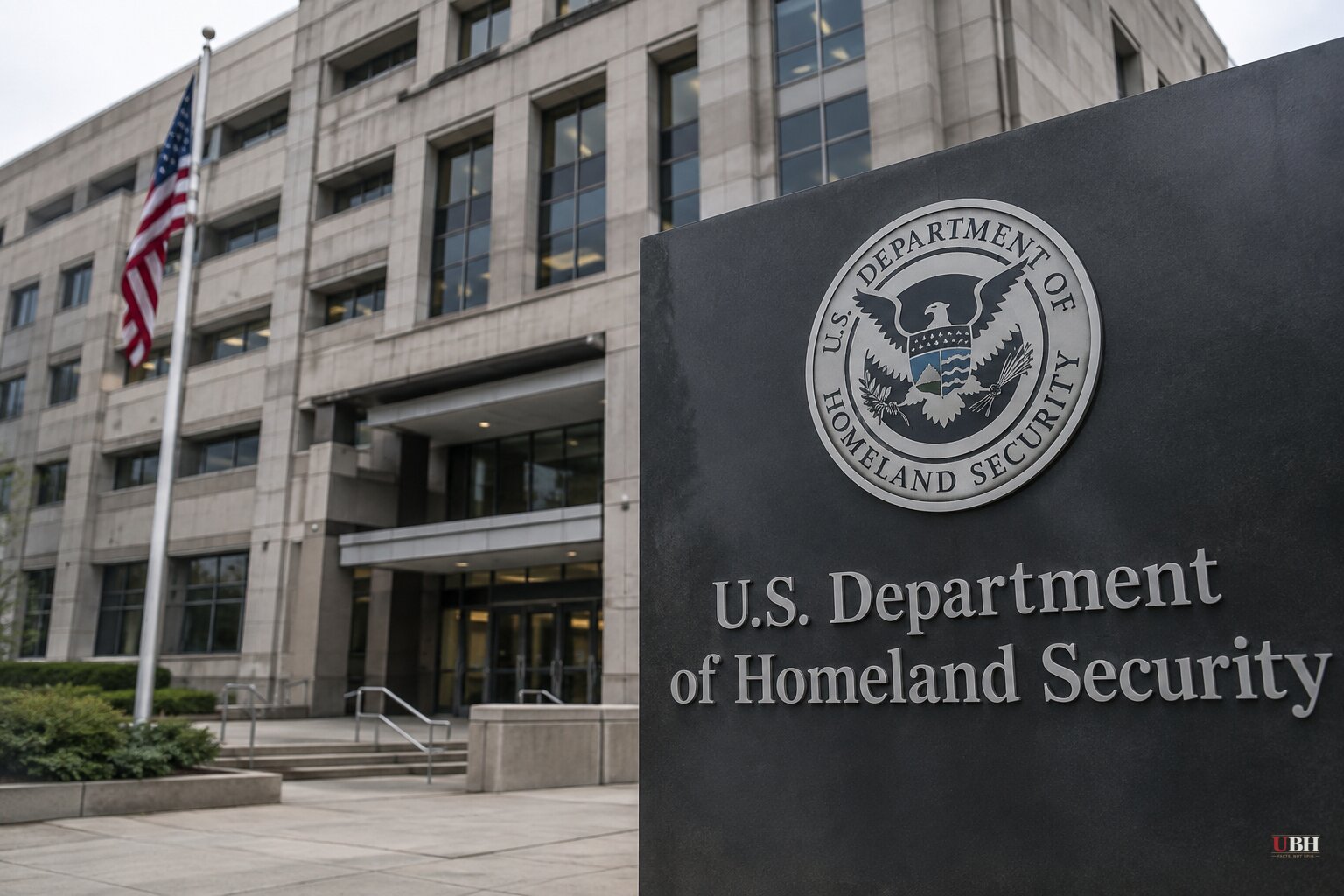
Since the chaotic August 2021 withdrawal from Afghanistan sent roughly 97,000 evacuees to the United States under Operation Allies Welcome, questions about how thoroughly those arrivals were vetted have never fully gone away. A DHS Inspector General report released Monday puts a number on those concerns: a 40% error rate in a sample of asylum files reviewed from that population.
The watchdog pulled 678 files at random out of 13,682 total asylum applications tied to Afghans resettled under the program, according to the report. Investigators found 303 missing aliases, 23 files missing required security checks, 45 unresolved records, and more than 150 other documentation problems.
Most of these were paperwork failures: a name misspelled, a document not reprinted and filed, an alias not entered into the system. The report itself says the consequences of most errors are "inconsequential beyond inconvenience because the information is generally available in another location."
Two cases were different. In those, missed aliases and incomplete documentation involved individuals who may have been inadmissible on "terrorism-related grounds," according to the report. In one, paperwork on the potentially inadmissible applicant was never included, so a required second-level review never happened. In the other, the paperwork was there and signed off by supervisors, but the box indicating whether they approved or disapproved the analysis was left blank.
The review was triggered by complaints from USCIS employees who said a 2023 class-action settlement, Ahmed v. DHS, forced asylum officers to move through roughly 20,000 Afghan evacuee cases faster than proper vetting allowed, with 90% of decisions required within 150 days. That's a fair concern on its face: speeding up government paperwork under legal deadline pressure is exactly the kind of thing that produces sloppy files.
But the Inspector General checked that theory directly and rejected it. "We did not observe a statistically significant increase in error rate after the September 2023 DHS settlement agreement," the report states. Whatever caused the 40% error rate, it wasn't the settlement.
USCIS Pushes Back, Sort Of
Joseph Edlow, who now heads USCIS, agreed with all five of the Inspector General's recommendations for fixing the process going forward. He also pushed back on the framing, arguing the errors happened "amid broader, established, and robust screening, vetting and security checks safeguards already in place that minimize the impact of these errors."
That's USCIS's strongest defense. A missing alias in one file doesn't automatically mean a dangerous person walked through unchecked, because other layers of the vetting system exist independently of the asylum file itself. The report doesn't dispute that those other safeguards exist. It just says the paperwork failures compromise the integrity of records that immigration and enforcement officials rely on later.
Why This Isn't Abstract
The Post reported last November that more than 5,000 Afghans brought in under Operation Allies Welcome had been flagged for national security issues. That same month, Rahmanullah Lakanwal, an Afghan national resettled through the program, allegedly shot two National Guard soldiers near the White House, killing one and severely wounding the other.
Those facts don't prove the vetting errors in this new report caused that shooting or any specific bad outcome. No source ties the IG's file-review findings to the Lakanwal case directly. But they explain why Senate Judiciary Chairman Chuck Grassley, an Iowa Republican, has been hammering the Biden administration's Afghan vetting process, criticizing what he called the "improper classification of security risk data with respect to evacuees."
What's Still Unknown
The Inspector General sampled 678 files out of 13,682. It found two cases involving potential terrorism-related inadmissibility issues in that sample. Nobody in these reports has extrapolated that ratio across the full 13,682-file population, or across the roughly 97,000 total OAW evacuees, and the report doesn't attempt that math either.
That leaves the obvious next question unanswered: how many additional files outside the sample carry the same kind of missed alias or incomplete terrorism-ground paperwork, and has USCIS gone back to check them. The Inspector General's five recommendations, which Edlow has accepted, are supposed to address that going forward. Whether USCIS actually re-examines the roughly 13,000 files it didn't sample is the thing to watch next.
Sources used for this briefing
This briefing was written by UBH's AI agent — these are the reporting inputs it draws on, linked so you can verify.


