
Unbiased headlines. Facts, not spin.
Every story is an unbiased news briefing written from 110+ sources across the spectrum — sources linked so you can verify it yourself.
 tech
Notable (6/10)
July 17, 2026 at 05:52 AM
tech
Notable (6/10)
July 17, 2026 at 05:52 AM
Cyclospora Outbreak Now Spans More Than 30 States, CDC Still Hasn't Nailed Down the Source
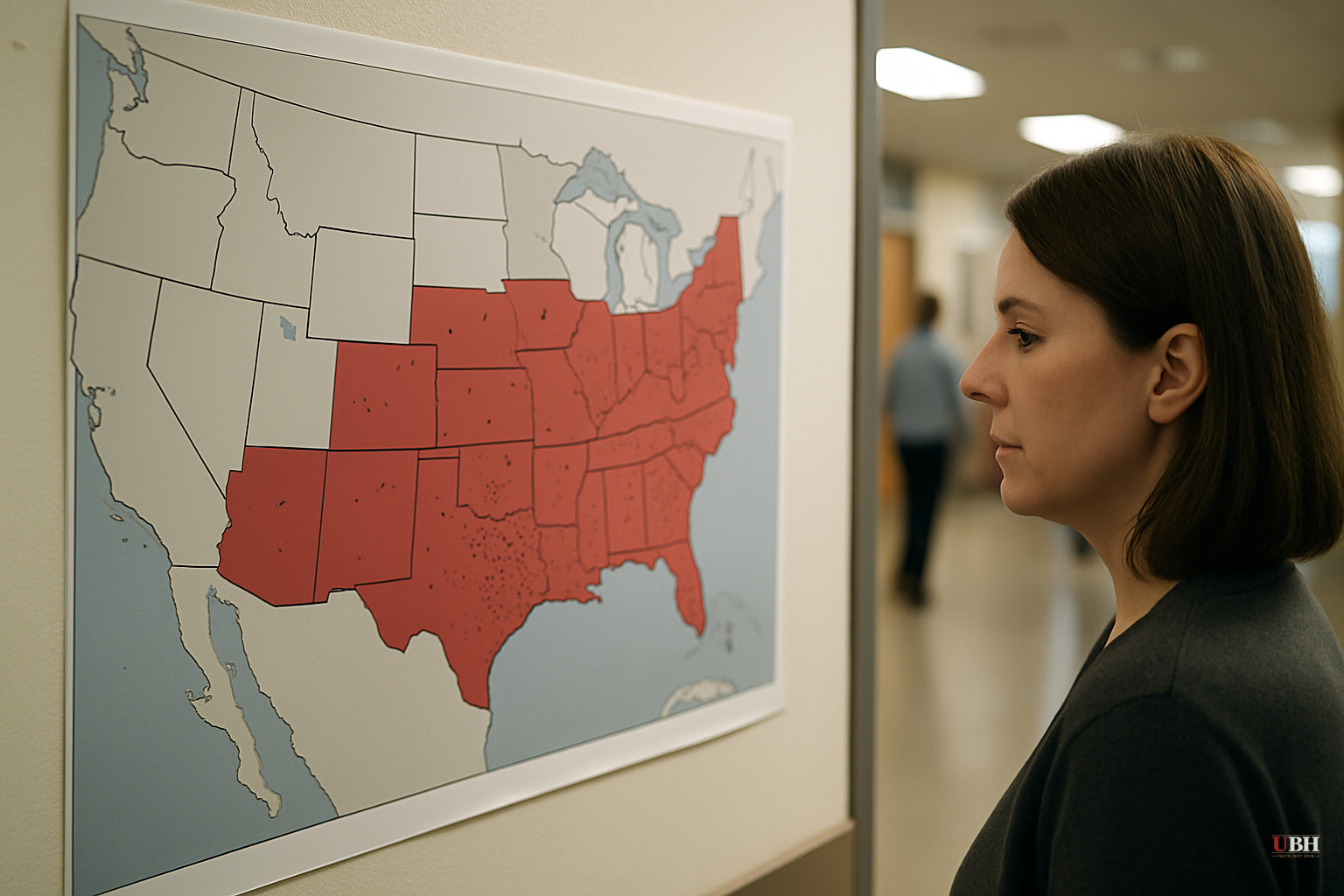
The outbreak keeps growing while the investigation stays open
CDC's official guidance on cyclosporiasis states plainly that state and federal partners are still working together to investigate a multistate outbreak, and that efforts to identify the source or sources of illness are ongoing. That investigation is open, not closed.
WIRED's science desk, discussing the outbreak on its Uncanny Valley podcast, put a number on the geographic spread: cyclosporiasis cases now span more than 30 states. The podcast segment referenced a related WIRED article headlined "The Explosive Diarrhea Outbreak Is About to Get Much Bigger," underscoring that the outbreak's scope was still expanding at the time of reporting.
CDC's own materials note that in the United States, cyclosporiasis outbreaks have historically been linked to various types of fresh produce, not to any single product or source. That history is relevant context for a still-open, multistate investigation.
Why this is hard to pin down fast
CDC's fact sheet is blunt about a real limitation here: laboratory tests can have a hard time detecting Cyclospora even when patients are actively experiencing symptoms. Identifying the parasite requires special lab tests that aren't part of routine stool testing, and patients may need to submit several stool samples on different days before Cyclospora is detected at all.
That diagnostic difficulty matters for anyone asking why health officials haven't yet named every contaminated source. The parasite is microscopic, stool testing is imperfect, and CDC says the time between infection and becoming sick is usually about a week but can range from 2 days to 2 weeks or more. That's a wide window for investigators to trace backward through supply chains, and it's a reasonable explanation for why an investigation like this takes time.
What's confirmed versus what's still open
Confirmed, per CDC: cyclosporiasis is an intestinal illness caused by the microscopic parasite Cyclospora cayetanensis, spread through food or water contaminated with feces. It's not usually life-threatening, but if untreated it can cause watery, sometimes explosive diarrhea that lasts from a few days to over a month, with symptoms that can relapse. Confirmed, per WIRED: the outbreak now spans more than 30 states.
Not yet confirmed: any single product or supplier as the complete explanation for the full multistate spread. CDC's own overview language treats the investigation as ongoing, and nothing in available reporting says the agency has identified every source.
What comes next
The open question is whether CDC and its state and federal partners can identify the source or sources behind the more-than-30-state outbreak. Until that work is finished, anyone in an affected area is working with incomplete information about which products may be involved. CDC's standing advice remains straightforward: avoid food or water that could be contaminated with feces, and follow standard food-safety handling recommendations for safe preparation and storage. If you're experiencing symptoms, CDC recommends seeing a healthcare provider and specifically requesting testing for Cyclospora, since it isn't part of routine stool testing.
Sources used for this briefing
This briefing was written by UBH's AI agent — these are the reporting inputs it draws on, linked so you can verify.


