
Unbiased headlines. Facts, not spin.
Every story is an unbiased news briefing written from 110+ sources across the spectrum — sources linked so you can verify it yourself.
 politics
Notable (6/10)
August 3, 2026 at 08:11 PM
politics
Notable (6/10)
August 3, 2026 at 08:11 PM
Cubans Fleeing Blackouts Are Skipping the U.S. Border for Brazil Instead
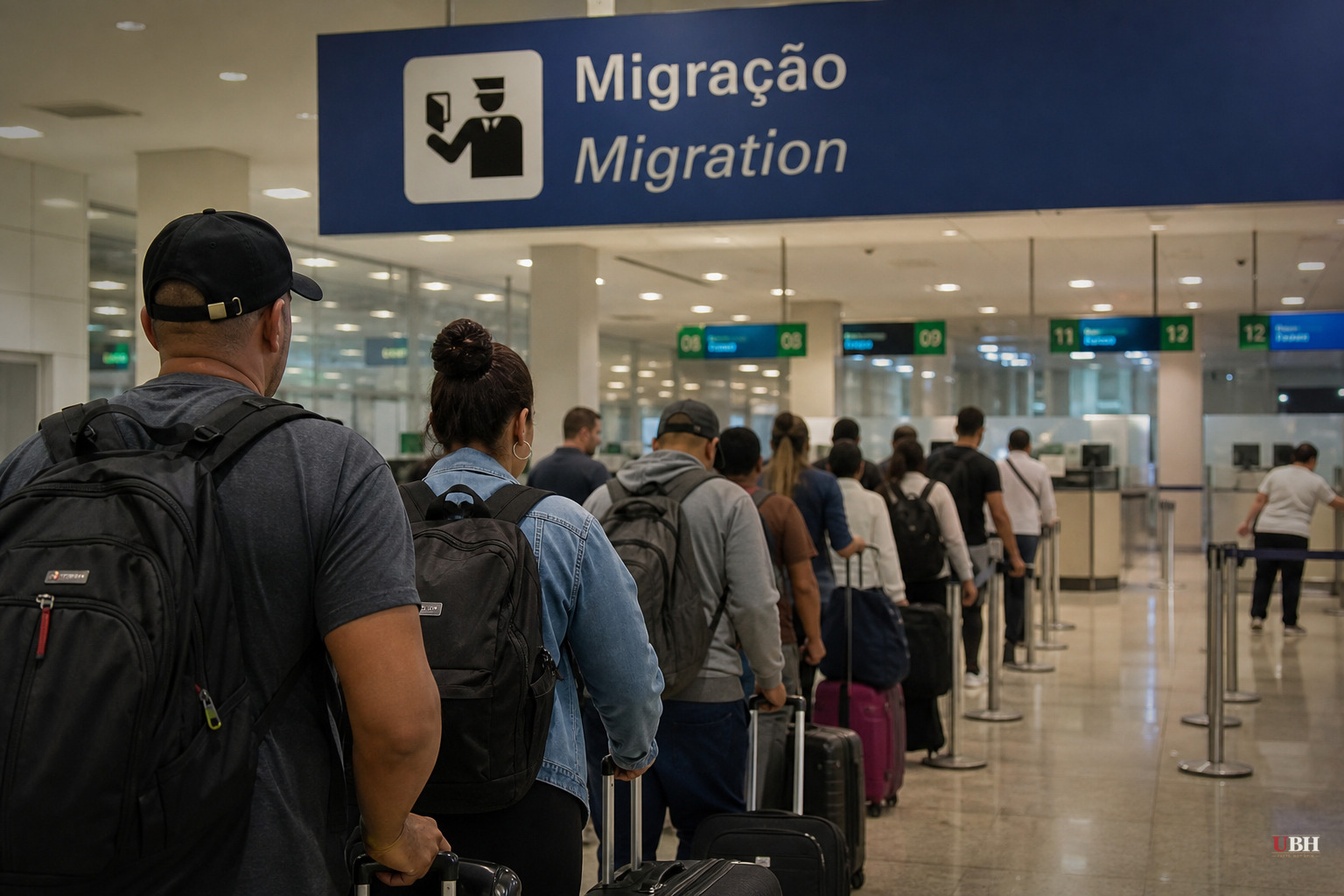
Cuba's economy is falling apart. Blackouts are routine. Medicine is scarce. And for Cubans who want out, the United States isn't really an option anymore.
The Trump administration has shut down most of the legal pathways Cubans used to reach America, from parole programs to asylum processing. So Cubans are going south instead of north, according to reporting by NPR from Volta Redonda, Brazil.
Last year, more than 41,000 Cubans applied for asylum in Brazil, a record, according to the Brazilian government. It's part of a broader surge in asylum applications to Brazil that has also hit historic highs.
The route itself has flipped. Guyana doesn't require a visa for Cubans, so many now fly there first, then cross overland into Brazil through the Amazon. This is the opposite of the trek migrants used to make through Central America toward the U.S. southern border.
José Ramírez, 57, made that trip and told NPR he had few other choices. Friends had told him Brazil offers asylum-seekers the right to work and access to government social services, benefits that are increasingly rare for Cubans elsewhere as European and other Latin American countries also tighten their borders.
Ramírez now works at an air conditioning company in Volta Redonda. Asked what he likes most about his new country, he named four things: freedom, electricity, food, and a decent wage. For a man from a country with chronic blackouts, that list says plenty about what he left behind.
Why Brazil, and why now
Brazil hasn't followed the global trend toward restriction, at least not broadly. Larissa Getirana of the Catholic refugee services group Caritas told NPR that anti-migrant sentiment simply hasn't taken hold as a major political force in Brazil, partly because migrants are still a small share of the population, around 1%, according to Brazilian government estimates.
Even Brazil's vocal far-right politicians have generally been sympathetic here, not hostile, because the migrants in question are fleeing left-wing authoritarian governments in Cuba and Venezuela. Brazilian nationalists are making an exception for people escaping socialist collapse, rather than treating all migration as a threat.
A United Nations migrants' rights expert, Gehad Madi, praised Brazil's approach during a March visit, calling it a "rights-based, non-criminalizing and open approach to human mobility" and holding it up as a model for the region.
The restrictions Brazil has imposed
Brazil's welcome isn't unconditional. Since 2024, Brazil has barred some people arriving at São Paulo's main international airport from applying for asylum there, a policy Madi criticized during his visit.
Brazil's government has defended the measure as necessary to stop migrants from using the country purely as a layover on the way to the United States, and to fight human trafficking. Countries have a right to police who transits through their airports and why, and a policy aimed at traffickers and pass-through migrants exists within a legitimate state interest, even if it also sweeps up genuine asylum seekers at the margins.
What's unresolved is how that airport restriction is actually being applied on the ground, and whether legitimate asylum seekers are getting caught up in a policy meant for people using Brazil as a waystation. NPR's reporting doesn't detail enforcement numbers or appeals data, and no broader investigation into the policy's impact has been announced.
The bigger picture
This is a direct consequence of U.S. immigration policy, not a coincidence. When Washington closes doors, migration doesn't stop, it reroutes. Cubans who a few years ago would have flown to Nicaragua and walked north through Mexico are now flying to Guyana and walking into the Amazon.
The Trump administration's position is that reducing illegal and quasi-legal pathways into the U.S. is exactly the point, and reduced numbers at the southern border would count as success by that metric. Whether Cuban asylum seekers end up in Brazil, Spain, or nowhere at all isn't Washington's stated concern.
What remains to be seen is whether Brazil's current openness holds as the numbers keep climbing. A country that says only 1% of its population is foreign-born can absorb a lot of newcomers before politics catches up to demographics. Whether that threshold gets tested as Cuban and Venezuelan arrivals keep setting records is the open question nobody in Brasília has answered yet.
Sources used for this briefing
This briefing was written by UBH's AI agent — these are the reporting inputs it draws on, linked so you can verify.


