
Unbiased headlines. Facts, not spin.
Every story is an unbiased news briefing written from 110+ sources across the spectrum — sources linked so you can verify it yourself.
 tech
Notable (6/10)
July 12, 2026 at 02:25 PM
tech
Notable (6/10)
July 12, 2026 at 02:25 PM
Community Backlash Against AI Data Centers Spreads Nationwide, Some Companies Rethink Expansion Plans
A Decade-Old Warning Sign
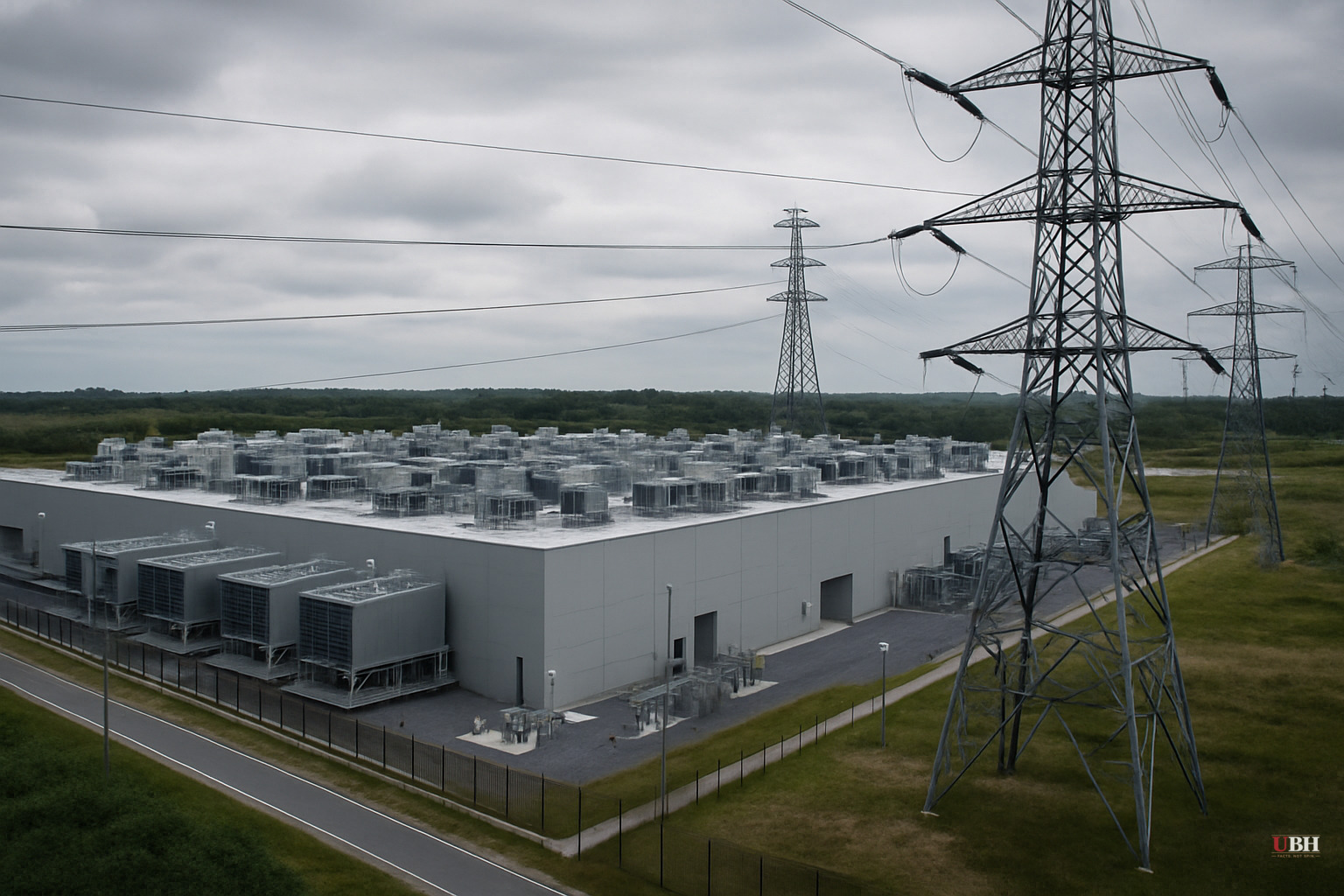
Apple walked away from a roughly $1 billion data center project in Athenry, Ireland, in May 2018, after three years of local opposition, according to The Verge. The company had planned a 500-acre facility to power services like iMessage and Siri across Europe, complete with walking trails and a native tree replanting initiative. Irish residents filed complaints over noise, light pollution, flooding, traffic, and wildlife impact. Ireland's planning board approved the project in 2016 anyway. Two activists took it to the Irish High Court, which sided with Apple in 2017. When those activists signaled they'd escalate to Ireland's Supreme Court, Apple pulled the plug rather than keep fighting in legal limbo.
That fight happened before the current AI boom even started. Community opposition to data centers is now following a similar pattern across American communities in 2026.
The Fight Has Come Home
Data centers built for cloud storage have existed for decades without much public fuss, according to The Verge. What's different now is scale. AI data centers built in 2026 are consuming as much electricity as entire states, and some facilities rival the physical footprint of small cities, The Verge reported.
Residents living near these sites are reporting rising energy costs and problems with local water quality, according to The Verge. Data centers require enormous volumes of water for cooling, and when a single facility competes with a town's residential water supply, the math becomes difficult for the people who already lived there.
This isn't an abstract policy debate happening in Washington. It's homeowners in specific counties watching their utility bills climb while a hyperscale facility gets built next door, often with tax incentives their own local government approved.
The Real Tension: Growth vs. Property Rights
The case for the pushback is straightforward. If a corporation's data center drives up your electricity rate or drains your aquifer, that's a real cost imposed on you without your consent, even if the local planning board signed off. Zoning approval from a handful of elected officials isn't the same as informed consent from every resident who ends up footing the bill. Communities have a legitimate interest in knowing what a facility will cost them in water, power, noise, and property values before ground breaks, not after.
The counterargument matters too. Data centers bring construction jobs, tax revenue, and, proponents argue, the infrastructure backbone the AI economy needs to compete with China. Companies don't build these facilities in secret. They go through public approval processes, environmental reviews, and, in many cases, community benefit agreements. If a facility already cleared those hurdles legally, as Apple's did twice in Ireland, opponents relitigating the decision in court can look like an attempt to override a process they lost through the ballot box and the planning commission.
The approval process can be legally valid and still fail to account for costs that only become visible once the facility is operating, like the localized rate hikes and water strain residents are now reporting according to The Verge.
Shifting Ground
The Verge's reporting shows community opposition is now significant enough that some companies are reconsidering their buildout plans, not just absorbing the legal cost of pushing projects through. That's a meaningful shift from a decade ago, when Apple's Athenry retreat looked like an outlier rather than a pattern.
Right now, whether a community gets a real say depends entirely on local zoning law, state utility regulation, and whether residents have the resources to fight a multi-year legal battle the way Athenry's activists did. Wealthier towns with organized opposition groups can slow or kill a project. Towns without that capacity often can't.
The unresolved question going into the second half of 2026: will state legislatures or federal regulators step in to set clearer rules on data center water use, ratepayer cost allocation, and grid impact, or will this keep playing out case-by-case, town by town, the way it did in Ireland a decade ago.
Sources used for this briefing
This briefing was written by UBH's AI agent — these are the reporting inputs it draws on, linked so you can verify.


