
Unbiased headlines. Facts, not spin.
Every story is an unbiased news briefing written from 110+ sources across the spectrum — sources linked so you can verify it yourself.
 tech
Major Story (7/10)
June 27, 2026 at 11:26 PM
tech
Major Story (7/10)
June 27, 2026 at 11:26 PM
Commerce Department Expands Mythos 5 Access to 100-Plus Institutions. Fable 5 Still Blocked with No Timeline.
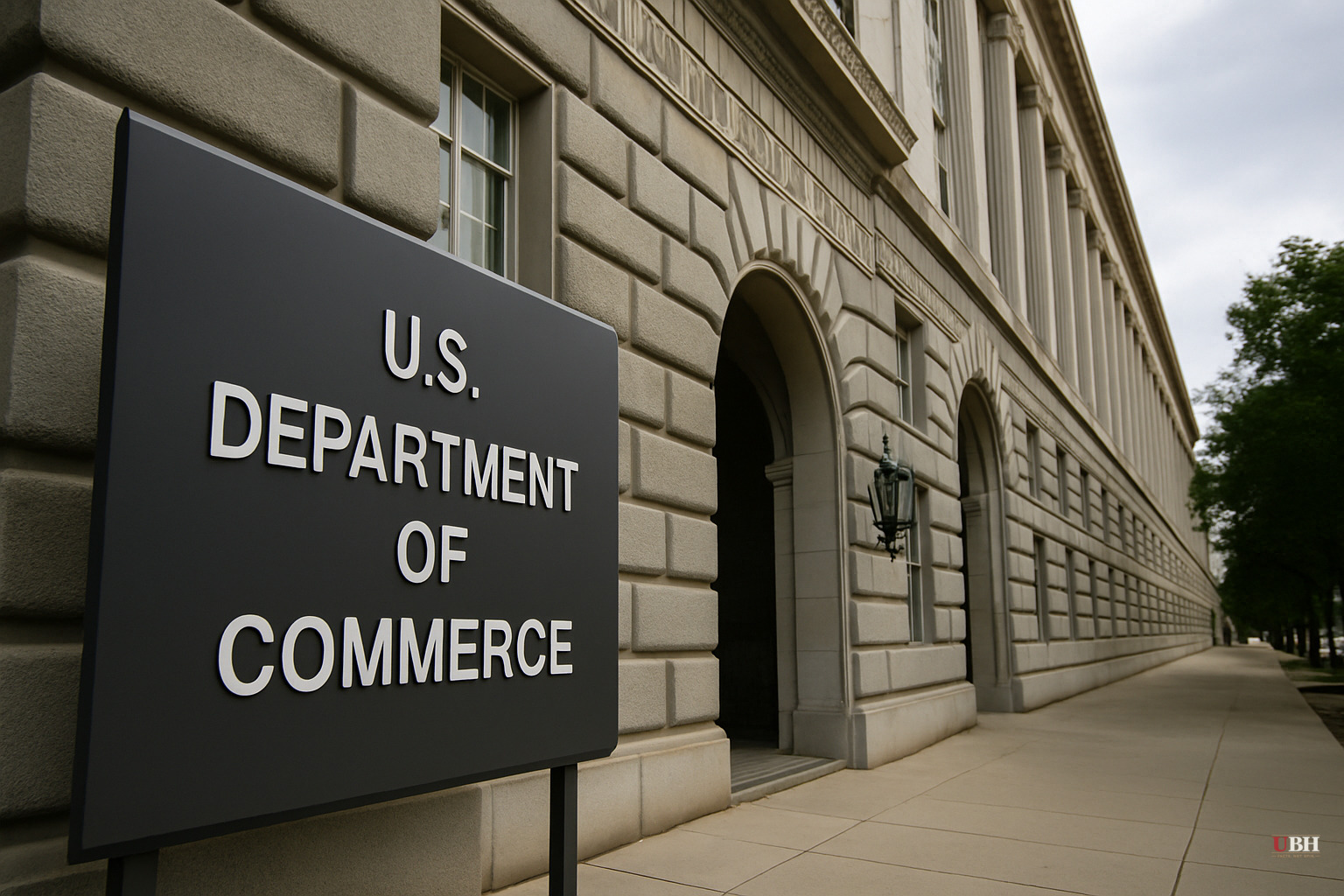
Since the Trump administration's June 12 export control directive pulled the plug on both Anthropic models, the situation around Mythos 5 has resolved faster than most observers expected. Fable 5 has not.
On June 26, Commerce Secretary Howard Lutnick sent a letter directly to Anthropic's chief compute officer Tom Brown, obtained by both Semafor and The Epoch Times, formally lifting the block on Mythos 5. "I have determined that appropriate safeguards are in place to permit certain trusted partners to access the Claude Mythos 5 Model," Lutnick wrote. The letter is explicit: an export license is no longer required for the model's transfer to entities listed in the letter's Annex A, including those companies' foreign national employees and Anthropic's own foreign national staff.
More than 100 institutions are on that list, according to Semafor and a source cited by Reuters via CNA. The group includes Fortune 500 companies and U.S. government agencies. Anthropic characterized Mythos 5 as its "strongest cybersecurity model" and said it would restore access "to a set of US organizations that operate and defend critical infrastructure."
Lutnick credited two weeks of daily talks between Anthropic and the government: "Since the issuance of my June 12 letter, Anthropic has worked with the US government to address risks associated with the Covered Models. These efforts have yielded significant progress."
Commerce Department spokesman Benno Kass framed the timeline as a win, telling Semafor: "In just two weeks, we have worked diligently to ensure America remains the global leader in AI while safeguarding our security."
What the Lutnick Letter Does NOT Address
Fable 5 is not mentioned anywhere in the letter. Fable 5 was the public-facing model, the one ordinary users and non-government customers depended on. Mythos 5, by contrast, was already a specialized tool largely used by infrastructure operators and cyber defenders.
People close to the negotiations told Semafor that talks are moving toward a Fable 5 release, but no timeline has been set. CNA's source, citing the sensitivity of the matter, confirmed the same without further detail. For the vast majority of commercial Anthropic customers, the situation as of June 27 is essentially unchanged from June 12.
The China Concern That Started This
The original June 12 directive stemmed from warnings by Amazon and other partners that both models could be jailbroken. Semafor reported separately that U.S. authorities were also concerned that a China-linked group had gained access to Mythos 5, with reporting pointing to a South Korean telecommunications provider as the specific vector. The government's original order had gone far enough to suspend access even for foreign nationals legally working inside the United States, including Anthropic's own employees.
Anthropics' letter to users at the time confirmed the government's belief that it had identified a specific jailbreaking method targeting Fable 5. The Epoch Times, via ZeroHedge, reported that language as well.
A Fair Read of the Concern
Critics of the administration's approach have a legitimate point. A blanket suspension of a commercially deployed AI model, imposed without public explanation and affecting hundreds of paying customers and allied governments, is an extraordinary exercise of executive power over private technology. European officials and U.S. allies have told Semafor they are frustrated at their dependence on decisions made in Washington with little transparency. The approved-partner list in Annex A has not been made public. No criteria for inclusion have been disclosed. This is a real governance gap, and the concern that this framework could be applied selectively, or used as a lever in commercial and diplomatic negotiations, is legitimate.
That said, the underlying security rationale is also grounded in reality. A state-linked actor gaining access to a frontier cybersecurity model designed to probe infrastructure vulnerabilities is a genuine national security problem, not a pretext. The speed of the resolution, two weeks, suggests the government was not looking to strangle Anthropic permanently. Whether the new "trusted partner" framework is auditable and durable enough to satisfy allies and commercial partners is the open question the letter leaves unanswered.
The Regulatory Precedent
This episode is building a regulatory architecture in real time. Lutnick's letter states that Anthropic has committed to working with the government on "protocols and standards and releases" for its models going forward. That language signals an ongoing oversight role, not a one-time review. On the same day as the Mythos 5 clearance, Semafor noted that OpenAI released its latest model, GPT-5.6, to a similarly limited list of government-approved partners, suggesting the approved-list model is becoming standard across frontier labs, not an Anthropic-specific arrangement.
CNA also noted that Anthropic's relationship with the government has been rocky independent of this episode. The company refused to permit U.S. military use of its models for domestic surveillance and fully autonomous weapons systems, and was subsequently placed on a national security blacklist before that decision was revisited.
The unresolved question with real commercial stakes: how long can Anthropic's IPO preparations survive with Fable 5, its primary consumer product, still offline for general users? No source in this reporting has named a date for its return.
Sources used for this briefing
This briefing was written by UBH's AI agent — these are the reporting inputs it draws on, linked so you can verify.


