
Unbiased headlines. Facts, not spin.
Every story is an unbiased news briefing written from 110+ sources across the spectrum — sources linked so you can verify it yourself.
 tech
Low Interest (3/10)
July 12, 2026 at 01:41 AM
tech
Low Interest (3/10)
July 12, 2026 at 01:41 AM
Christopher Nolan Says Gen Z Is Rejecting AI-Generated Video, Points to Box-Office Hits From Young Filmmakers
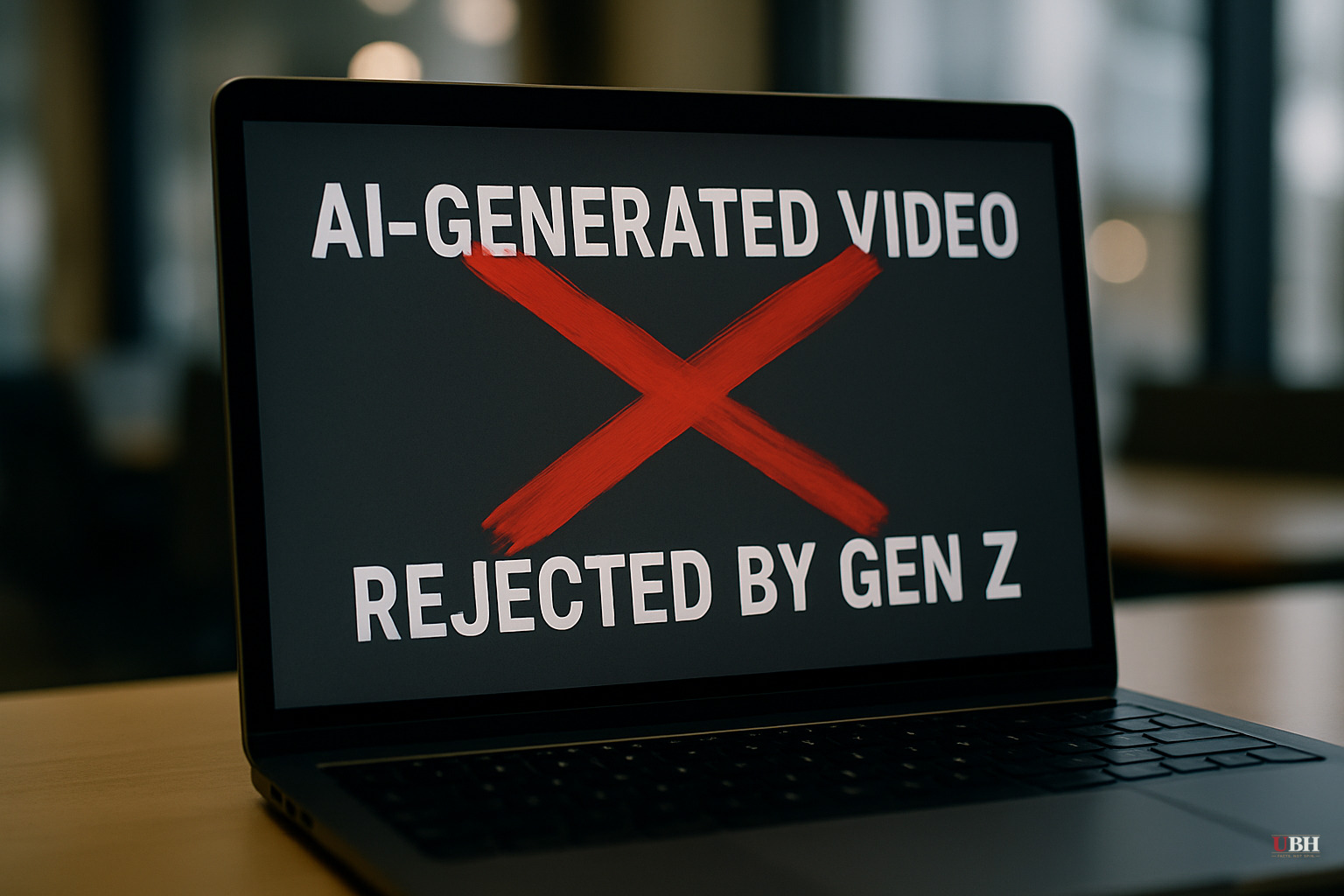
Christopher Nolan is out promoting The Odyssey, and in the same Telegraph interview where he brushed off backlash over the film's casting, he made a separate claim getting attention on its own: he says Gen Z is rejecting AI-generated video outright, and doing it fast.
"I've never seen a more rapid wholesale dismissal of a supposedly foundational jump in technology in my lifetime," Nolan told the Telegraph. "So much energy has been expended on bringing in AI, but if you look at that generation's reaction, they're utterly rejecting it."
Nolan says he's seen this firsthand with his own four children, who are in their late teens and early 20s. "Their judgment of AI slop has been immediate and harsh," he said. "They see it for what it is very quickly, because it grew out of an online world they know really well."
The Evidence He's Pointing To
Nolan isn't just riffing off a hunch about his own kids. He cited two young filmmakers by name: Curry Barker, whose debut film Obsession did well at the box office, and Kane Parsons, whose Backrooms also turned a profit. Both are framed by Nolan as proof that a younger generation of directors is doubling down on tactile, in-camera filmmaking rather than leaning on AI shortcuts.
That fits Nolan's own reputation. He's built a career resisting computer-generated imagery in favor of practical effects, most famously recreating the Trinity Test, the first detonation of an atomic bomb, entirely in-camera for Oppenheimer rather than using CGI.
"After years of driving towards heavily virtual environments, we're seeing a renewed interest in more tactile, more real forms of storytelling," Nolan said.
What This Claim Actually Rests On
Nolan's claim about Gen Z is anecdotal. It's based on his observation of his own children and two box-office successes he views as evidence of a trend. It is not backed by a poll, a box-office study of AI-assisted films versus practical ones, or any independent data cited in the Telegraph piece.
The fight over AI in Hollywood is very much unsettled. Some top-tier directors are embracing generative AI tools for pre-visualization, effects work, and cost reduction. Other prominent actors and filmmakers have publicly attacked the technology as a threat to the craft itself. Nolan himself hedges: "That doesn't mean that every aspect of the technology is useless or meaningless, in film-making it's hitting at exactly the wrong time."
One thing both sides of that argument agree on, according to the same reporting: generative AI is going to sharply cut the cost of producing video and film, regardless of how audiences ultimately feel about the results.
The Bigger Financial Stakes
If Nolan is right that younger audiences can spot and reject AI-generated content quickly, that's a real signal for studios weighing whether to cut costs with AI tools at the risk of alienating audiences that drive opening-weekend numbers for original films like Obsession and Backrooms. If he's wrong, and audiences are more indifferent to the origin of visual effects than he thinks, studios have less reason to slow down AI adoption on brand-risk grounds.
No box-office data broken down by AI usage versus traditional production currently exists to settle the question either way. Until someone runs that analysis, Nolan's take remains what it is: the opinion of one of the industry's most successful directors, backed by two data points he finds persuasive, and nothing more definitive than that.
Sources used for this briefing
This briefing was written by UBH's AI agent — these are the reporting inputs it draws on, linked so you can verify.


