
Unbiased headlines. Facts, not spin.
Unbiased Headlines is an independently owned news organization. We bring you the facts, not opinions, written fresh from 110+ named sources. Sources linked so you can verify it yourself.
 finance
Major Story (7/10)
CFTC Is Examining Whether Polymarket Kept US Users Out as Its 2022 Settlement Required, Reuters Reports
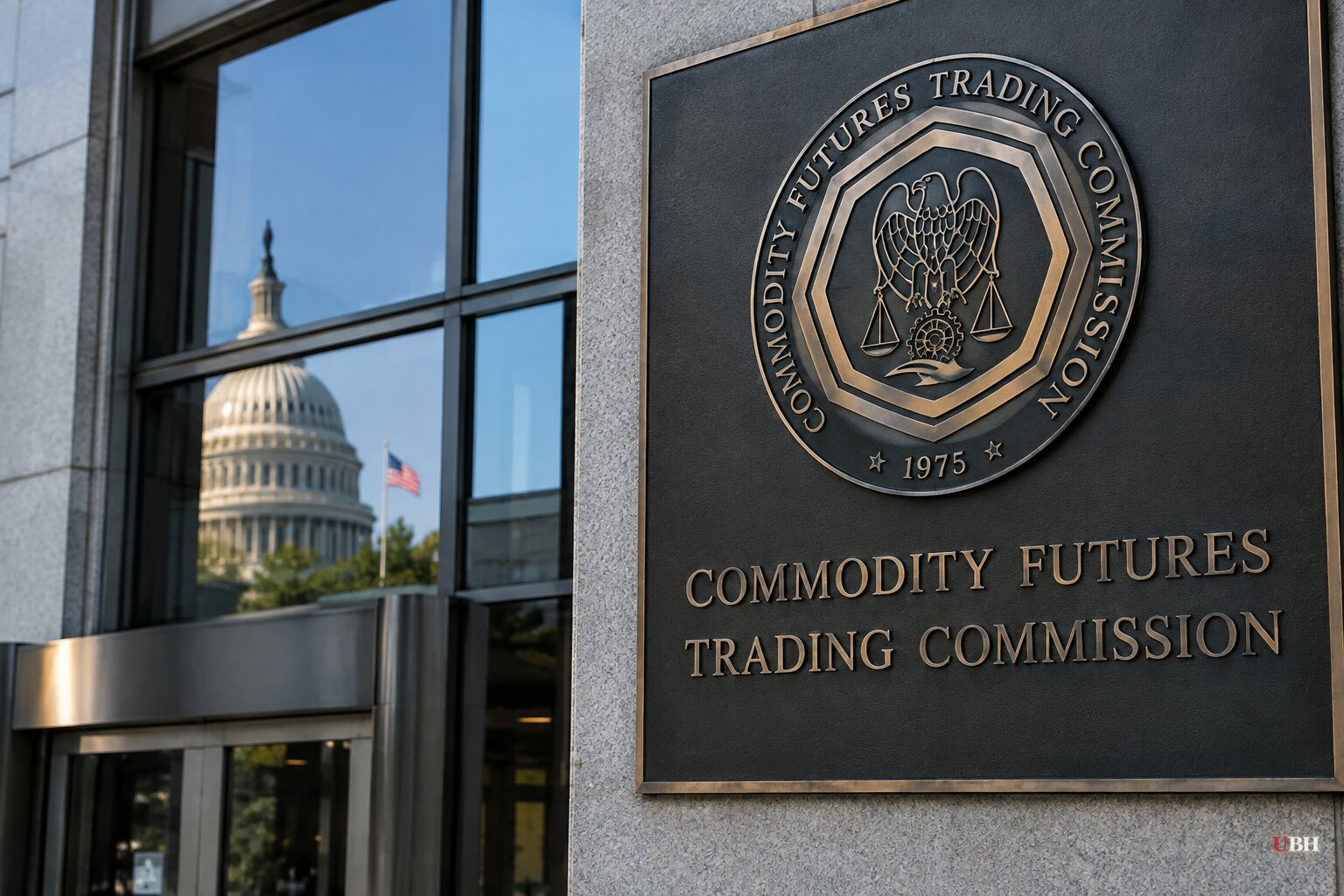
The Commodity Futures Trading Commission is looking into whether Polymarket honored its 2022 promise to keep American users off its offshore exchange, according to Reuters reporting today, Oct. 27, which cited industry sources.
No charges have been filed against Polymarket. Both the company and the CFTC declined to comment, and an investigation is not a finding of wrongdoing.
What investigators are reportedly examining
Per Reuters, the review has three parts: the adequacy of Polymarket's geolocation-based access controls on its offshore platform, its advertising in the United States, and customer sign-up procedures and user protections on its U.S. platform.
The settlement is the baseline. In January 2022, Polymarket paid a $1.4 million penalty after regulators alleged it offered unregistered event-based binary options. It agreed to block U.S. users from the offshore exchange.
Critics have long pointed to Americans reaching the site through VPNs. Polymarket prohibits VPN use to evade geographic restrictions and says it monitors suspicious activity and blocks restricted users.
The CFTC and the Justice Department ran a similar inquiry that was closed in July 2025 without charges. Polymarket has since bought a CFTC-licensed derivatives exchange and launched a U.S. platform. That platform is now part of the review.
The advertising thread
The advertising question has a public paper trail. In June, the Wall Street Journal reported that Polymarket paid social media influencers about $1.9 million to make videos showing bets on the platform. By the Journal's analysis, roughly 70% of the videos showed staged wagers, not real trades.
Senators Adam Schiff and John Curtis then asked CFTC Chairman Michael Selig about the agency's enforcement and consumer-protection authority over platforms like Polymarket. They requested an update by July 10. Bloomberg separately reported that investigators were looking at the company's social media activity.
One outlet reports that Polymarket's chief marketing officer, Matthew Modabber, was fired in October amid an internal review of marketing. Polymarket has not publicly confirmed that account.
Insider trading is the harder edge
The sharpest enforcement so far has hit individual traders, not the platform. In April, prosecutors charged Army soldier Gannon Ken Van Dyke, alleging he made about $400,000 betting on the timing of the Jan. 3 raid to capture Venezuelan leader Nicolás Maduro, a mission he allegedly helped plan.
The indictment says he used a VPN and an "exit mode" that appeared to sit in a foreign country. Van Dyke has pleaded not guilty, and his case is continuing. Polymarket says it referred the matter to authorities.
On Oct. 20, War Secretary Pete Hegseth sent a memo barring uniformed and civilian Defense Department personnel from financial transactions, including on Polymarket and Kalshi, that use nonpublic information. Violators could face administrative, disciplinary or criminal liability.
"When an American service member, intelligence professional, or other department civilian engages in a financial transaction on a military outcome, they create a signal," the memo reads. It says hostile intelligence services could exploit that signal.
The fight over who regulates this
Selig has framed prediction markets as tools for hedging and information discovery. He has argued that federal regulators, not states, should oversee them. Enforcement director David Miller has pledged tough policing of the sector.
The NFL wants the opposite. In an amicus brief filed with the Supreme Court, the league backed New Jersey and 40 other states. It argues that prediction markets are sports gambling and should be regulated by states.
The league says the NFL accounted for $1.8 billion in trading on the first Sunday of the season, more than half of all prediction market volume. "Billions of dollars will be bet on NFL games through prediction markets each season, and any delay from the Court will result in increasing consumer harm and risk to game integrity," the brief says.
Kalshi disputes that framing. A spokesperson said every other major U.S. sports league is partnering with Kalshi. The spokesperson added that the CFTC "is actively policing sports-related markets" and that its ongoing rulemaking addresses many of the NFL's concerns.
A Polymarket spokesperson said the company shares the league's commitment to integrity. The spokesperson cited market surveillance tools and collaboration with the CFTC, the SEC and other leagues toward "a harmonized federal framework" in place of "a patchwork of disconnected state laws."
The CFTC says the NFL declined to sign a memorandum of understanding that would have allowed information sharing. Brooke Nethercott, the agency's public affairs director, said the agency has engaged with the league "since day 1."
What happens next
The agency has not said whether the Polymarket review will lead to an enforcement action. The 2025 inquiry ended with none.
Two things are pending: the NFL's push at the Supreme Court over whether states or the CFTC hold authority, and the Van Dyke prosecution, which will test how far insider-trading law reaches into event contracts.
Sources used for this briefing
7 links from 7 independent newsrooms (syndicated copies of the same report count once)
These are the sources it draws on, linked so you can verify.


