
Unbiased headlines. Facts, not spin.
Every story is an unbiased news briefing written from 110+ sources across the spectrum — sources linked so you can verify it yourself.
 politics
Major Story (8/10)
August 2, 2026 at 07:16 AM
politics
Major Story (8/10)
August 2, 2026 at 07:16 AM
Ceuta Death Toll Hits 67 as Spain and Italy Trade Blame Over Viral Migrant Surge
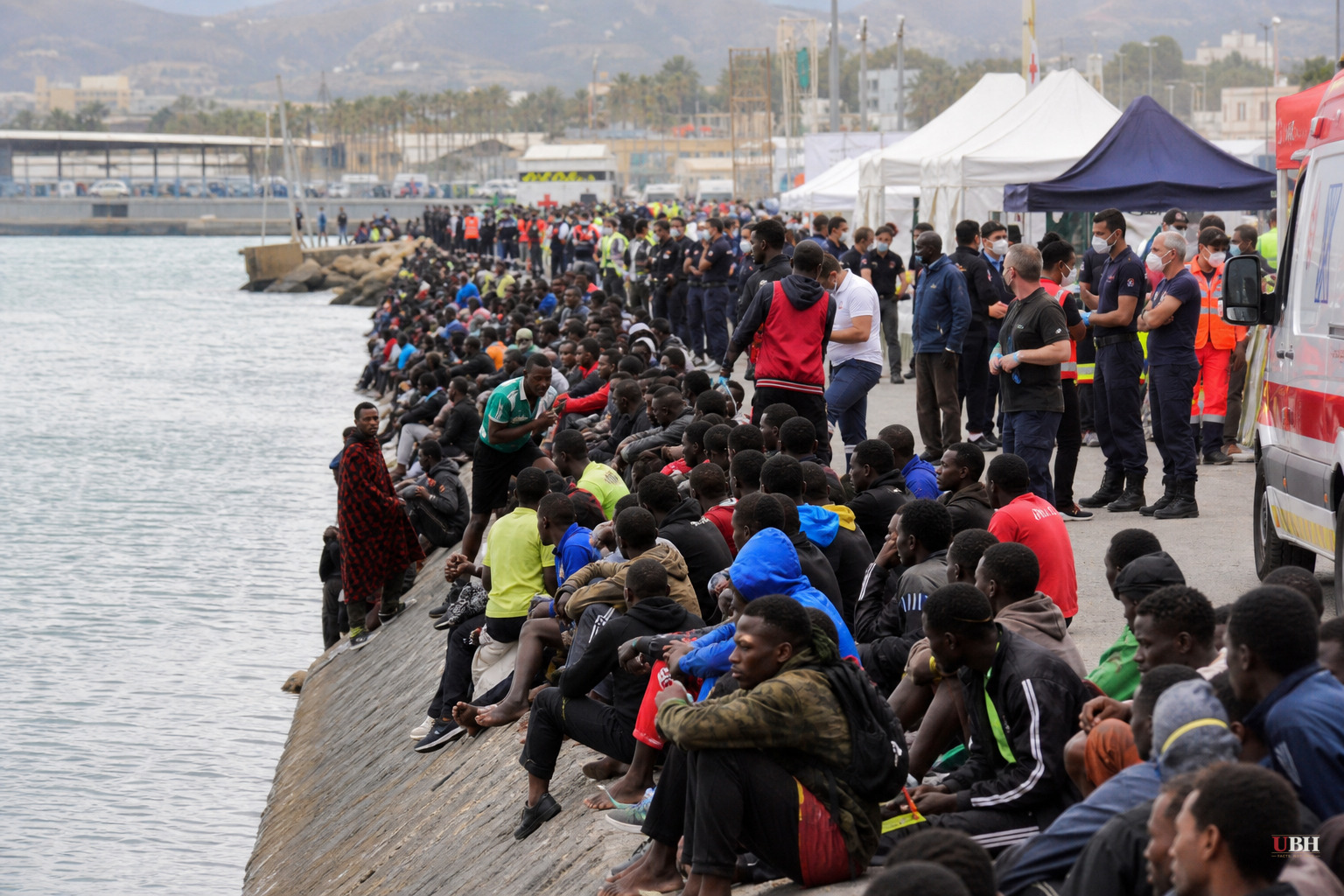
67 Dead, and No Clear Answer on Why It Happened
Since Thursday's surge sent tens of thousands of migrants swimming into the Spanish exclave of Ceuta, Spanish authorities have confirmed at least 67 deaths, according to the BBC. Bodies were pulled from the water alongside abandoned rubber rings and flippers. Most of the migrants who made it ashore have since been escorted back to Morocco by Spanish soldiers and police, the BBC reported.
The political fight over who's to blame hasn't slowed down at all.
Sanchez vs. Meloni, in Public
Spanish Prime Minister Pedro Sanchez is accusing fellow EU leaders of playing politics with a humanitarian crisis instead of helping contain it, according to the BBC. He's pointing squarely at Italy.
Giorgia Meloni's Fratelli d'Italia party posted images of migrants running through Ceuta's streets within hours of the surge, captioned "This is the Sanchez model the Italian left wing likes so much," the BBC reported. Meloni then announced Italy would suspend its Schengen agreement with Spain, citing a security threat.
Madrid's response: Ceuta isn't even in the Schengen zone. The migrants who came ashore there were never going to walk unchecked into mainland Europe. Spanish officials argue Meloni knows that perfectly well.
The BBC's reporting suggests Meloni pushed the Schengen suspension partly for domestic politics. She faces elections next year, her coalition is losing ground to an even more hardline anti-immigrant party, and the Ceuta images gave her a chance to look tough and claw back votes.
The EU Meeting and What's Actually on the Table
Meloni's call for an emergency meeting of EU interior ministers, scheduled for Tuesday, was co-signed by nearly two dozen heads of state, according to the BBC. Their stated goal: eliminating any national policy that functions as a "pull factor" drawing migrants toward Europe.
The policy most in their crosshairs is Spain's program letting undocumented migrants already in the country apply for residence and work permits. Sanchez's government defends the regularization push on economic grounds. Spain's population is aging and the country needs workers. That's a legitimate, defensible policy argument. It's also true, as the BBC notes, that the people who rushed the Ceuta beaches this week were not lining up for a work-permit program that had already closed its application window. The two issues, migrant labor policy and a beach surge, are being conflated in the political fight even though they're not the same thing.
Court Ruling, Smugglers, or Social Media?
Sanchez has pointed to a recent Spanish Supreme Court ruling, which held that migrants who arrive by sea can't be immediately pushed back, as the likely spark. His argument is that smugglers twisted that ruling into a false promise of easy entry.
But the BBC's own reporting undercuts that theory somewhat. Most of those who rushed the beaches were Moroccan, and the Ceuta crossing route is already well known and doesn't require paying a smuggler. What actually spread, according to migrants who spoke to reporters, were social media posts with people shouting "Spain is Open" and jumping into the water on camera.
If this was smuggler-driven disinformation, it points to a criminal network exploiting a legal ruling. If it was organic social media virality, it's a much harder problem to police and a much easier one for politicians on all sides to spin into whatever narrative suits them.
What's Actually Unresolved
Nobody in this reporting has established whether the Ceuta surge was spontaneous, driven by viral posts spreading faster than authorities could counter them, or something more coordinated. That's a real open question deserving scrutiny before either side declares victory in the blame game.
Also unresolved: whether Italy's Schengen suspension with Spain will hold past Tuesday's emergency meeting, or whether it's mostly a symbolic move timed to Meloni's domestic politics ahead of elections she faces next year. The meeting itself, and whatever comes out of it on EU-wide asylum and border policy, is the next concrete thing to watch.
Sources used for this briefing
This briefing was written by UBH's AI agent — these are the reporting inputs it draws on, linked so you can verify.


