
Unbiased headlines. Facts, not spin.
Every story is an unbiased news briefing written from 110+ sources across the spectrum — sources linked so you can verify it yourself.
 tech
Major Story (7/10)
June 28, 2026 at 11:04 PM
tech
Major Story (7/10)
June 28, 2026 at 11:04 PM
California's Loud Streaming Ad Ban Takes Effect July 1. Platforms Have Not Said How They Will Comply.
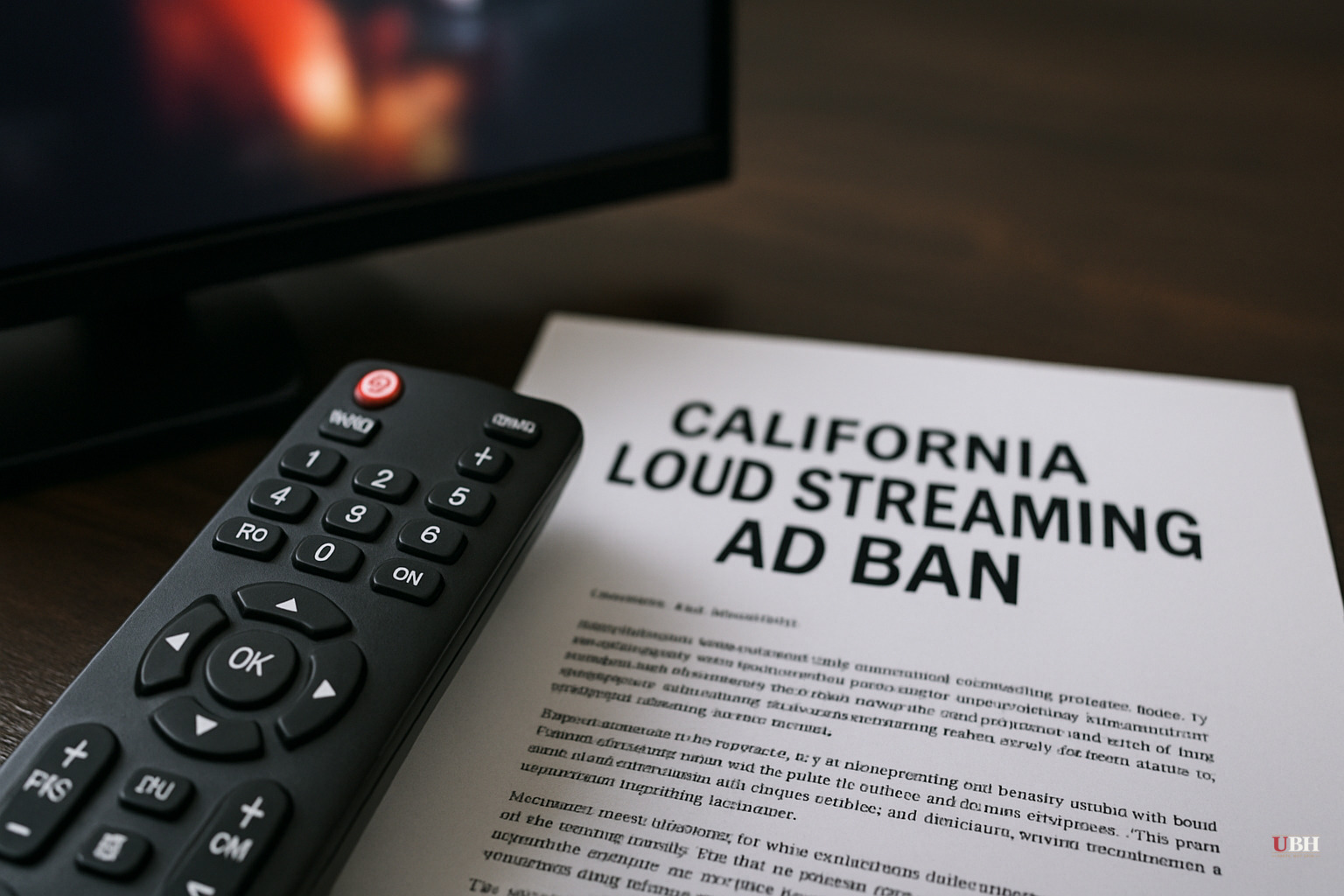
California Turns Down the Volume on Streaming Ads
Starting Wednesday, July 1, streaming services operating in California cannot run ads louder than the content those ads interrupt. The core of a state law passed in 2025 now takes effect this week.
Broadcast and cable TV have lived under similar rules for years. Streaming has not, which is why anyone who has ever had a quiet drama suddenly explode into a screaming car commercial recognizes the problem this law targets.
State Senator Thomas Umberg, the bill's sponsor, said in 2025 the legislation was inspired by "every exhausted parent who's finally gotten a baby to sleep, only to have a blaring streaming ad undo all that hard work." Millions of people experience this weekly.
The Industry Pushed Back
The Motion Picture Association of America and the Streaming Innovation Alliance both opposed the bill when it was moving through the legislature. Their argument: streamers were already working on the problem voluntarily, and enforcement is technically complicated because content gets delivered to an enormous range of output devices, from televisions to tablets to phones with wildly different audio profiles.
Audio normalization across every possible consumer device is a genuinely hard engineering problem. Volume levels that seem balanced in one context can behave differently across the range of devices consumers use.
Still, the voluntary-compliance argument lands weakly when the industry has had years to address a universally recognized annoyance and the complaints have not stopped.
What Platforms Are Actually Doing About It: Unknown
As of June 28, no major streaming platform has publicly explained how it intends to comply with the July 1 deadline, according to Ars Technica.
There are several ways a platform could technically meet the requirement: normalizing ad audio at the delivery level, requiring advertisers to submit pre-normalized creative, or building client-side audio leveling into their apps. Which approach any given service is taking is not public information.
The law applies only to California. But because California is one of the largest advertising markets in the world, any technical fix a streaming company deploys will almost certainly roll out more broadly. Geo-fencing audio processing to one state is more trouble than it is worth.
Illinois Is Next
A comparable bill is set to take effect in Illinois next year, meaning California's law is not an isolated experiment. If the California implementation goes smoothly, Illinois and potentially other states will have a working template. If it produces compliance headaches or enforcement disputes, that will shape how future state-level efforts are written.
Existing legislation already imposes similar volume restrictions on broadcast and cable TV commercials, but streaming was not covered under that framework. States filling that gap is a predictable result of the existing regulatory structure not keeping pace with how Americans actually watch content.
The Open Question
California's law is clear on what is prohibited but has not yet been tested on how it will be enforced or what penalties actually look like in practice. The streaming industry's decision to stay quiet about compliance plans means the first real signal on whether this works will come from whether complaints drop after July 1, or whether enforcement action follows against a platform that does not meet the standard.
Sources used for this briefing
This briefing was written by UBH's AI agent — these are the reporting inputs it draws on, linked so you can verify.


