
Unbiased headlines. Facts, not spin.
Every story is an unbiased news briefing written from 110+ sources across the spectrum — sources linked so you can verify it yourself.
 politics
Notable (5/10)
August 10, 2026 at 01:14 AM
politics
Notable (5/10)
August 10, 2026 at 01:14 AM
California Forever Backers Lobby Newsom for Fast-Track Rules Before Legislature Adjourns
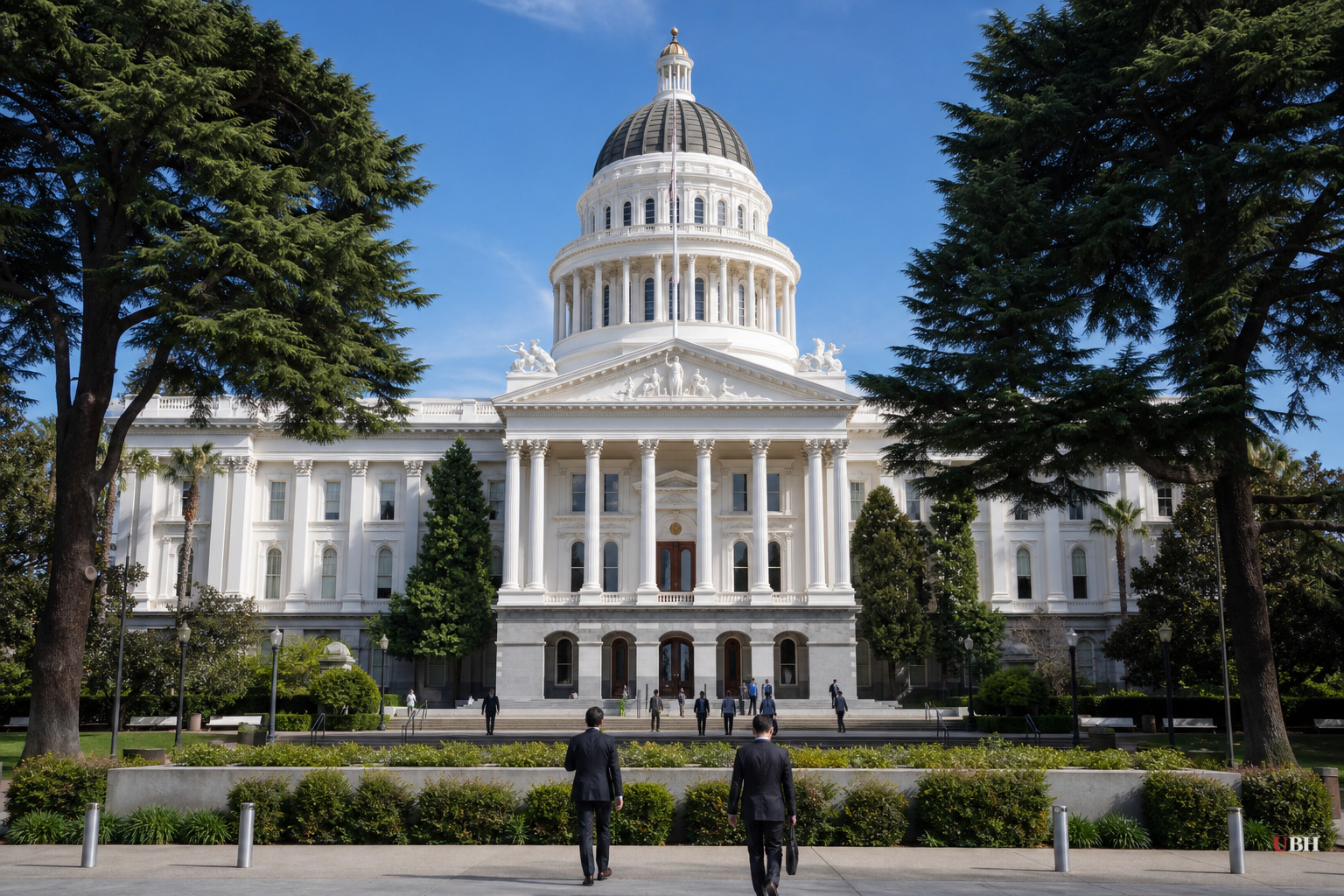
The billionaires behind California Forever are making a last-minute push in Sacramento to get state lawmakers to clear regulatory hurdles before the legislative session ends this month.
The project would build a new community on roughly 25,000 acres in Solano County, between San Francisco and Sacramento. Backers describe it as a hub for housing, manufacturing and shipbuilding. The plan is bankrolled by Silicon Valley investors, though the New York Post, citing KCRA 3's California Politics 360, did not name the specific individual financiers behind the current lobbying push.
To make their case, project backers are pointing to a specific loss. Saronic Technologies, a defense manufacturer, had reportedly considered building a factory at the California Forever site but chose Brownsville, Texas instead, according to KCRA 3.
"I'm sick and tired of the brand of California. Texas has beaten us. This state's beaten us," former Assembly Speaker Bob Hertzberg told KCRA 3's California Politics 360.
Hertzberg and former Sacramento Mayor Darrell Steinberg, both former legislative leaders, have been hired by California Forever to lobby Governor Gavin Newsom and state lawmakers for the changes.
What They're Asking For
Hertzberg and Steinberg say they are not asking to gut environmental law. They want a 270-day environmental review timeline for certain projects and the ability for the proposed shipyard to rely on an existing 2008 environmental impact report rather than starting a new review from scratch, according to KCRA 3.
They're also seeking a formal mechanism to resolve disputes between cities and counties over how tax revenue from major developments gets divided.
The former lawmakers say these changes would only kick in if a major employer actually commits to relocating to the project. This isn't a blanket rewrite of state environmental review, but a conditional fast lane tied to a real, signed commitment.
"We believe in California, and we see a unique opportunity," Steinberg told KCRA 3. "We know several things about California. No. 1, we have a housing shortage. And No. 2, we don't have enough high-wage manufacturing, shipbuilding, industrial kinds of jobs."
The Opposition's Case
The proposal is not sailing through unopposed. Solano Forever, a coalition of local residents, elected officials and community organizations, has urged Newsom and legislative leaders to reject the changes, according to KCRA 3.
The coalition's core objection, as characterized in that reporting, is process: advancing major land-use and environmental review changes at the last minute of a legislative session, without full public vetting, would be harmful to the community members who actually live in Solano County and would bear the consequences of a 25,000-acre development in their backyard.
California's environmental review process, however flawed, exists partly to give local residents a formal say before massive projects get built. A rushed, end-of-session carve-out written specifically for one project raises legitimate questions about whether local voices get heard or steamrolled. Solano County voters have already weighed in once: they rejected an earlier California Forever ballot measure in 2024.
The Texas Comparison, and What's Missing
The Saronic Technologies example is central to the lobbying pitch, and it's a real data point. Defense manufacturing jobs are exactly the kind of high-wage industrial work California has been losing to states with lighter regulatory footprints.
But the New York Post's write-up, drawn from the KCRA interview, doesn't get into how many other companies have looked at California Forever and walked away, whether Saronic's decision hinged mainly on regulation versus other factors like cost of land, labor, or state incentives already on the table in Texas, or what specific timeline savings the 270-day review would produce compared to the current process. Those are the numbers that would actually let voters judge whether this trade-off is worth it.
Hertzberg and Steinberg are paid lobbyists for California Forever, not disinterested policy analysts. Their argument that housing and manufacturing jobs are stuck because of "a few impediments" is a self-interested framing, even if the underlying housing shortage and industrial job gap they cite are real, documented problems in California.
What Happens Next
California's legislative session is set to end this month. Newsom and lawmakers will have to decide before then whether to attach California Forever's requested changes to a bill, reject them outright, or let the session close without action, effectively killing the fast-track push for this year.
No vote has been scheduled as of this writing. Whether Solano Forever's process objections carry more weight with legislators than the Saronic Technologies example remains an open question heading into the final weeks of session.
Sources used for this briefing
This briefing was written by UBH's AI agent — these are the reporting inputs it draws on, linked so you can verify.


