
Unbiased headlines. Facts, not spin.
Unbiased Headlines is an independently owned news organization. We bring you the facts, not opinions, written fresh from 110+ named sources. Sources linked so you can verify it yourself.
 politics
Major Story (7/10)
Event date: October 5, 2026 ·
politics
Major Story (7/10)
Event date: October 5, 2026 ·
Brazil's Senate Passes 40-Hour Workweek 75-1, 11 Days Before Lula-Bolsonaro Runoff
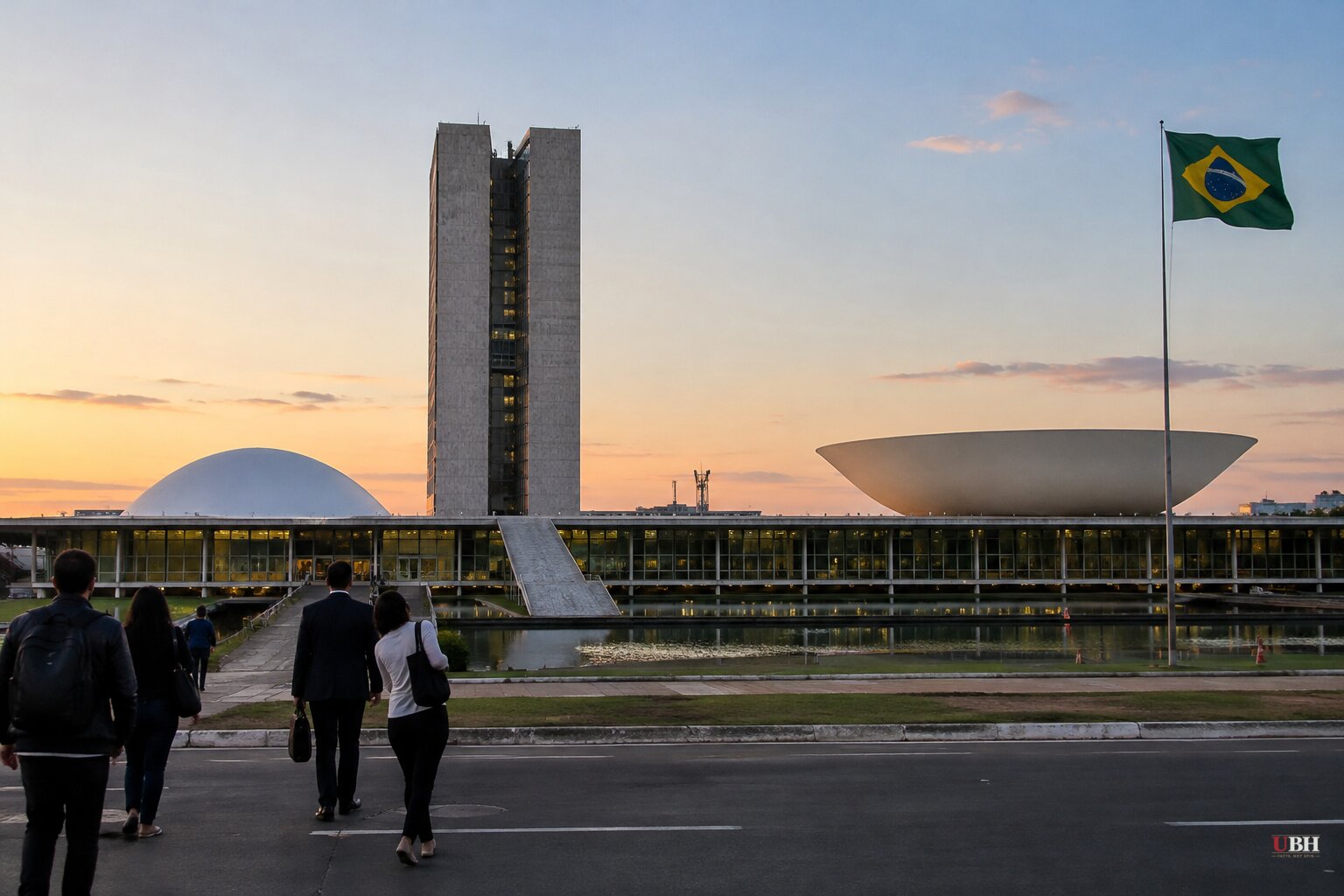
Brazil's Senate voted 75 to 1 on Wednesday, Oct. 14, to approve a constitutional amendment that cuts the maximum workweek from 44 hours to 40 and guarantees two days off a week without reducing salary. The Chamber of Deputies passed the same measure in May.
The vote came 11 days before the Oct. 25 presidential runoff between incumbent Luiz Inácio Lula da Silva and Sen. Flávio Bolsonaro.
What the amendment does
The amendment ends the six-day workweek, known in Brazil as the 6x1 schedule. About 16 million people currently work it, and the cut from 44 to 40 hours covers more than 30 million workers.
The workers most affected are in retail, restaurants and hotels, and most of them are low-paid.
The rollout is gradual. After a two-month grace period the week drops to 42 hours, then to 40 at a later stage. The full change will take more than a year.
It is the biggest overhaul of workers' rights since Brazil's return to democracy in 1988.
Bolsonaro's reversal
Flávio Bolsonaro spent months against the proposal. In May he warned it could cause "mass unemployment," the same argument employers' associations have repeatedly made. He also called it an "opportunistic" attempt by Lula to court working-class voters, and said schedules should be negotiated between employers and employees, not fixed by constitutional amendment.
On Tuesday he flipped. "Most Brazilian workers want to see the end of the six-day workweek, so I'm going to vote in favour of ending it," he said. He voted yes remotely on Wednesday while campaigning in the south.
He has not abandoned his own idea. Bolsonaro said he "supports something even better," an alternative he has long advocated in which pay would be based on hours actually worked.
Lula responded that Bolsonaro's turnaround is "electoral opportunism." He celebrated the vote on social media: "It means more time to live, rest, be with family, watch your children grow up, look after yourself and enjoy life."
The lone no vote came from Hamilton Mourão, a senator and former vice president under Flávio's father, Jair Bolsonaro.
Where the measure came from
The push started outside the party system, as a TikTok movement called Life Beyond Work, founded by a pharmacy assistant who later entered politics. Lula embraced it, and his Workers' Party spent months pressing the Senate to schedule a vote.
Many in Brasília expected the vote to die. The right swept Congress in the first round on Oct. 4, securing a broad majority for 2027, and the assumption was that the Senate would sit on the bill. Senate president Davi Alcolumbre, whose relationship with Lula has at times been rocky, brought it to the floor anyway.
Bolsonaro's party had considered blocking it, but polling showed more than 70% of Brazilians backed the change, including more than half of Bolsonaro's own voters. One nationwide survey put support at almost 70%.
The cost argument
Opponents of the measure say it raises production costs, which businesses will pass on to consumers as higher prices. Employers' associations have also warned of job losses.
Supporters argue the opposite on productivity: workers with two days off will be better rested and more productive during the hours they do work.
Neither side has produced a result yet. The change has not taken effect, so the price and employment claims remain forecasts.
The runoff
Bolsonaro won the first round with about 47% of the vote to Lula's roughly 45%, in a race most pollsters had Lula winning. Neither cleared the 50% needed to avoid a second round. Turnout was nearly 79% of more than 158 million registered voters.
Lula's supporters hope the amendment helps him close the gap. Victor Escobar, a researcher at the Laboratory of Parties, Elections and Comparative Politics, said it "could indeed benefit Lula's re-election campaign."
The politics are awkward for both camps. The measure is a Lula signature item that his rival has now voted for, which leaves Lula's pitch to low-wage retail and hospitality workers, a group he has lost ground with since 2022, without a clean point of difference.
What happens next is set by two dates. Brazilians vote in the runoff on Oct. 25, and the 42-hour phase begins after the two-month grace period. If Bolsonaro wins, he would govern with the congressional majority voters gave the right in the first round, and his hours-based pay alternative would be waiting.
Sources used for this briefing
8 links from 7 independent newsrooms (syndicated copies of the same report count once)
These are the sources it draws on, linked so you can verify.


