
Unbiased headlines. Facts, not spin.
Unbiased Headlines is an independently owned news organization. We bring you the facts, not opinions, written fresh from 110+ named sources. Sources linked so you can verify it yourself.
 tech
Notable (6/10)
Australia's Under-16 Social Media Ban Nears One Year Old, and Canberra Is Now Seeking a Global Coalition
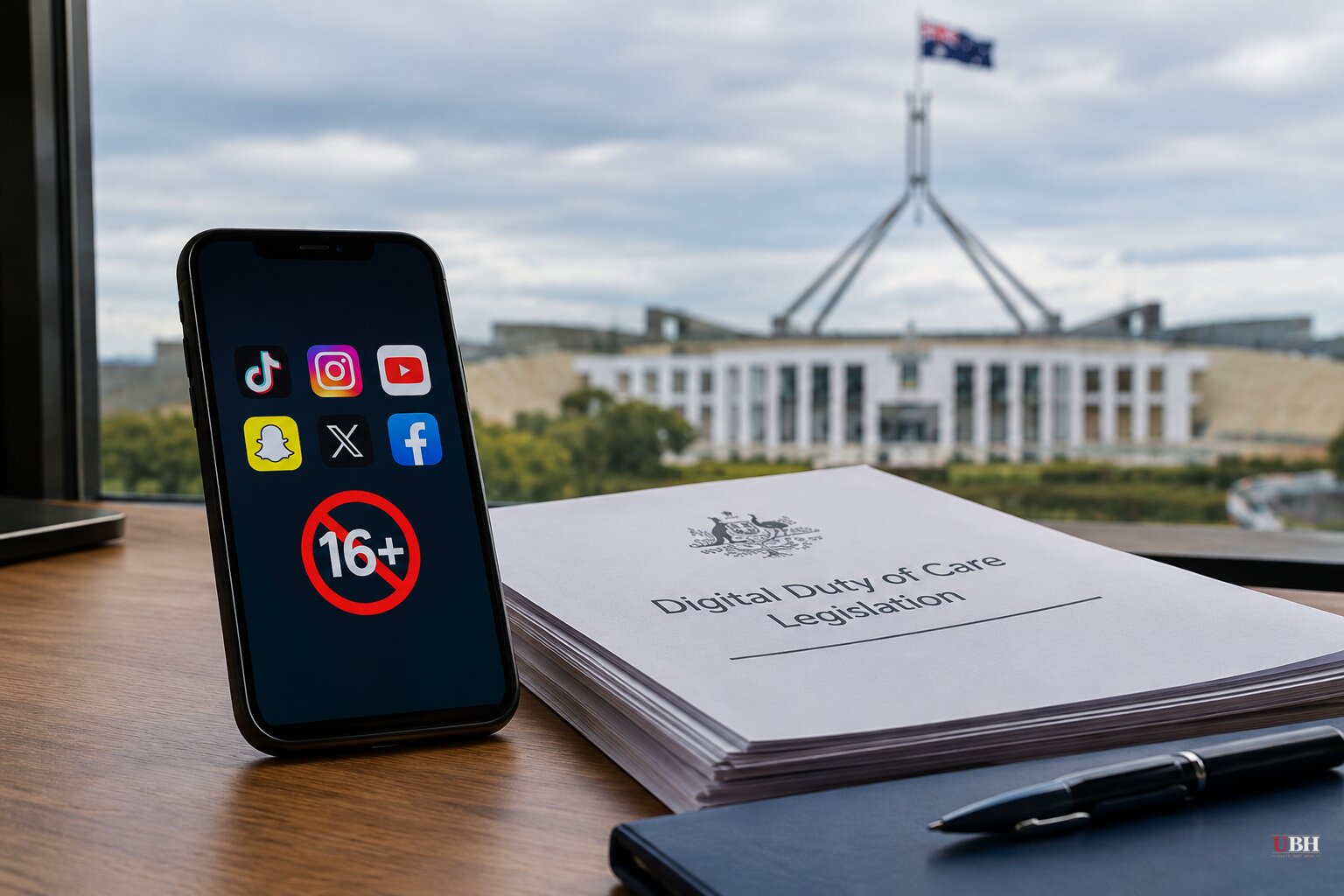
Australia's under-16 social media ban took effect in December 2025. Almost a year in, the country that went first is still short on evidence that it works. It is also not stopping there.
CBS's 60 Minutes examined the experiment Sunday, Oct. 25. Correspondent Holly Williams said it is "too soon to say if the experiment's working," but that the stakes extend far beyond Australia.
How the ban works
The law puts the burden on the companies, not on kids or parents. Covered platforms must take "reasonable steps" to stop anyone under 16 from opening or holding an account. They face hefty penalties if they don't.
That means checking the age of ALL users, not just teenagers.
On camera, Oscar Groves, who is just shy of his 16th birthday, tried to sign up. Snapchat told him "new local laws have placed restrictions on users under 16." TikTok told him he wasn't eligible. Both rejections were immediate.
The idea started in South Australia. Premier Peter Malinauskas announced a plan two years ago to ban children from social media in his state of under 2 million people. His wife, Annabel West, urged him to act.
The U.S. comparison
The American approach has been hearings and lawsuits. Mark Zuckerberg apologized to families of victims at a 2024 Senate hearing, after Sen. Josh Hawley pressed him to do so. Social media companies have settled suits totaling billions of dollars without admitting wrongdoing, according to CBS.
A digital media and marketing researcher writing in The Philadelphia Inquirer says YouTube and Meta have settled or paid out in multiple suits since March for more than $17 billion. The suits allege negligence, deliberate design to hook kids and misleading the public on safety. That figure comes from the op-ed, and the companies did not admit wrongdoing in the settlements CBS describes.
The health case for acting is not trivial. A U.S. Surgeon General advisory found that more than three hours of social media a day can double the risk of depression and anxiety in children.
Does a ban fix it?
The same Inquirer researcher says they are skeptical that prohibiting access will improve young people's mental health. They point to other factors behind the rise in youth anxiety and depression, including better screening and awareness, and isolation during COVID-19 lockdowns. Early research, in their reading, suggests bans "aren't the answer." That is one researcher's assessment, not a settled finding.
The author also notes that bans aren't all about mental health. Some countries are driven by worries about foreign-owned platforms, and others by privacy. Still, nearly every government with such a ban cites mental health.
According to the Inquirer piece, more than 20 countries are weighing similar limits, from Greece to the United Arab Emirates to Canada. Rules differ on age cutoffs, parental consent and age-verification methods.
Canberra widens the fight
Australia is not waiting on the results. Earlier this month the government proposed the Digital Duty of Care bill. It would require digital services, from social media to AI chatbots, to build safety measures into products from the start.
The bill would also let users switch off the algorithms that recommend content. That strikes at the core of how these companies make money.
Communications Minister Anika Wells told Bloomberg News she wants to use the legislation to set common child-safety standards with other countries. She has talked with counterparts in Malaysia, the Philippines, New Zealand, Canada, Sweden and the UK, with more talks lined up in the coming weeks.
"These are the most resourced, powerful companies in the world," Wells said. "It's going to take a coalition of lawmakers working together across the globe to take them on."
Michael Swinson, a Melbourne-based technology partner at the law firm Mallesons, said the bill "will no doubt be very, very closely looked at in other countries."
Washington pushes back
The Trump administration has already objected. It said Australia's latest regulatory baseline on U.S. technology companies risks spreading overseas.
That sets up a trade-and-sovereignty fight on top of the child-safety debate. American companies would face rules written in Canberra and potentially copied elsewhere. Supporters of the approach, like Wells, say only a united front can match the companies' resources.
There is also a plain governance question. A law that makes platforms verify every user's age is a heavy tool, and how well it works matters to families and to anyone who values both parental authority and limited government. Wells' government has answered it with more regulation, not less.
Enforcement is the open test
Compliance is not guaranteed. Wells said she expects legal action to proceed against Facebook, Instagram, TikTok, Snapchat and YouTube for alleged non-compliance with the under-16 ban.
The outcome of those cases will show whether "reasonable steps" has teeth. It will also show whether a country of Australia's size can make global companies comply. The companies have not been quoted in the sources on those allegations.
The next markers are concrete. The Digital Duty of Care bill still has to move through Australia's parliament, and Wells' coalition talks continue in the coming weeks.
Sources used for this briefing
7 links from 6 independent newsrooms (syndicated copies of the same report count once)
These are the sources it draws on, linked so you can verify.


